
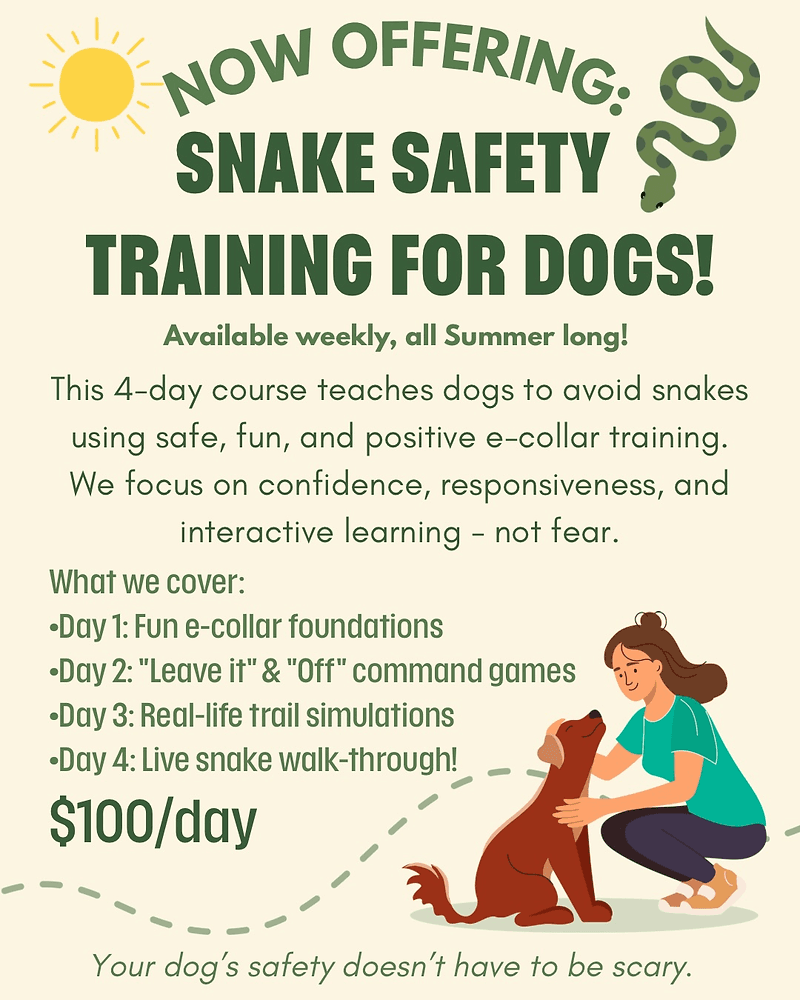
Rattlesnake aversion training is a crucial safety measure for any dog living in or visiting areas where rattlesnakes are present. This specialized training aims to teach your dog to recognize the scent, sound, and sight of a rattlesnake and to react with caution and avoidance, rather than curiosity or aggression. Ensuring your dog is properly trained can prevent a potentially fatal encounter, offering peace of mind for you and safety for your beloved pet.
Understanding the Rattlesnake Threat to Dogs
Rattlesnakes are venomous snakes native to the Americas, known for their characteristic rattle. Their venom can cause severe tissue damage, pain, and even death if left untreated. Dogs, with their natural curiosity and tendency to investigate new scents and sounds, are particularly vulnerable to rattlesnake bites. A bite can occur quickly, often in less than a second, and can lead to significant medical emergencies, including expensive veterinary bills and a long recovery period, if the dog survives.
Why Dogs are at Risk
Dogs explore the world with their noses and mouths, making them prone to encountering snakes during outdoor activities like hiking, camping, or simply playing in the backyard. Their energetic nature and prey drive can sometimes override their sense of caution, leading them to approach or even attempt to play with a snake, which is when bites most commonly occur. The head and face are the most frequent targets for a rattlesnake’s strike, but any part of the body can be bitten.
The Urgency of Prevention
While immediate veterinary care is vital if your dog is bitten, prevention through rattlesnake aversion training is by far the most effective approach. The goal of this training is not to make your dog afraid of all snakes, but specifically to condition them to avoid rattlesnakes through a learned aversion response. This proactive measure can save your dog’s life and spare your family the trauma of a rattlesnake encounter.
The Principles of Rattlesnake Aversion Training for Dogs
Rattlesnake aversion training utilizes principles of classical and operant conditioning to create a negative association with rattlesnakes. The training is designed to be safe and humane, ensuring that dogs learn to avoid the snakes without being harmed. It typically involves exposing the dog to a controlled stimulus that mimics a rattlesnake, followed by a mild, aversive consequence.
How the Training Works
The core of the training involves using a trained rattlesnake or a scent lure and a device that produces an unpleasant stimulus. Common methods include:
- Scent and Sound Association: Dogs are exposed to the scent of a rattlesnake and the distinct rattling sound.
- Sensory Stimulation: A mild, temporary aversive stimulus is introduced. This could be a quick burst of compressed air that creates a startling sound and sensation, a brief electronic stimulation (similar to a static shock from a carpet), or a taste deterrent. The key is that the stimulus is unpleasant but not harmful, and it is directly associated with the presence of the rattlesnake stimulus.
- Reinforcement of Avoidance: When the dog shows signs of avoidance—moving away from the stimulus—the aversive consequence is removed. This reinforces the behavior of retreating from the perceived threat.
The training is usually conducted in a series of sessions over a short period, often a weekend, to ensure the learned aversion is strong and memorable. Professional trainers experienced in this specific type of conditioning are essential to ensure the safety and effectiveness of the training.
Importance of Professional Training
Attempting to conduct rattlesnake aversion training without proper expertise can be dangerous for both the dog and the trainer. Professional trainers understand the nuances of canine behavior, the safe handling of potential snake stimuli, and the correct application of aversive tools. They know how to read a dog’s body language and adjust the training accordingly. This ensures the dog develops a healthy respect for rattlesnakes rather than a generalized fear or anxiety. For those looking for snake avoidance training for dogs near me, seeking out certified and reputable professionals is paramount.
Signs Your Dog Might Be Approaching a Rattlesnake
Recognizing your dog’s behavior in the outdoors is crucial. Even with training, vigilance is necessary. Dogs may exhibit certain behaviors that indicate they are becoming aware of or are dangerously close to a rattlesnake.
Pre-Aversion Behaviors
Before a potential strike, a dog might:
- Freeze: Suddenly stop moving and become very still, ears perked, intently focused on something ahead.
- Stiffen: Their body may become rigid as they approach the perceived threat.
- Whine or Bark: Some dogs may vocalize nervously.
- Sniffing Extensively: They might be drawn by the scent and investigate an area with unusual intensity.
Post-Aversion (Trained) Behaviors
A well-trained dog should ideally exhibit immediate avoidance:
- Rapid Retreat: The dog will quickly back away from the scent or sound.
- Disinterest: They will lose interest in the area and may look to their owner for reassurance or to move away.
- Alertness without Aggression: They remain aware but do not engage with the stimulus.
It is important to remember that even with training, no method is 100% foolproof. The goal is to significantly reduce the risk. If you are in an area known for rattlesnakes, consider specialized dog rattlesnake avoidance training.
What to Do If Your Dog is Bitten by a Rattlesnake
Despite the best preventative measures, accidents can happen. Knowing how to react immediately if your dog is bitten by a rattlesnake can significantly improve their chances of survival and recovery.
Immediate Actions to Take
- Keep Your Dog Calm and Still: Movement increases the circulation of venom. Carry your dog if possible, or keep them as still as you can.
- Identify the Snake (if safe): If you can safely identify the snake as a rattlesnake, note its appearance for the veterinarian. Do NOT attempt to capture or kill the snake, as this puts you at further risk.
- Do NOT Cut the Wound: Do not try to cut the bite area or suck out the venom. These actions are ineffective and can cause further damage or infection.
- Do NOT Apply a Tourniquet: This can restrict blood flow and cause more harm.
- Get to a Veterinarian IMMEDIATELY: This is the most critical step. Time is of the essence. Call your vet or the nearest emergency animal hospital while en route to let them know you are coming and what has happened.
Veterinary Treatment
Veterinary treatment for a rattlesnake bite typically involves:
- Antivenom: This is the most effective treatment for neutralizing the venom.
- Supportive Care: This may include IV fluids, pain medication, antibiotics to prevent infection, and monitoring of vital signs.
- Wound Management: Cleaning and bandaging the bite area.
The prognosis for a dog bitten by a rattlesnake depends on several factors, including the species and size of the snake, the amount of venom injected, the location of the bite, and how quickly veterinary treatment is initiated. Early and aggressive treatment offers the best chance for a full recovery. For those in regions where rattlesnakes are common, investing in rattlesnake training for dogs is a vital part of responsible pet ownership.
Choosing the Right Rattlesnake Aversion Training Program
When selecting a training program, it’s essential to choose one that prioritizes safety, efficacy, and the well-being of your dog. Not all training methods are created equal, and a poorly executed program can do more harm than good.
Questions to Ask Potential Trainers
- What methods do you use? Understand their approach to aversion. Reputable trainers will be transparent about using humane methods that involve controlled stimuli.
- What type of aversive do you use? Inquire about the tools or methods—compressed air, electronic stimulation, taste deterrents—and how they are applied.
- What is the trainer’s experience and certification? Look for trainers with specific experience in rattlesnake aversion and relevant certifications in animal behavior or professional dog training.
- What is the session structure and duration? A typical program involves multiple short sessions.
- What are the safety protocols? Ensure they have strict safety measures in place, especially if live snakes or snake scents are involved.
- What is the success rate? While no trainer can guarantee 100%, ask about their general outcomes and how they handle dogs that don’t respond as expected.
- Can I observe a session? Observing a session can give you insight into the trainer’s style and how dogs respond.
Alternatives and Complementary Training
While aversion training is highly effective, it’s not the only aspect of snake safety. For owners seeking snake avoidance training, remember that reinforcing basic obedience commands like “leave it” and “come” is also critical. These commands can help you recall your dog from a dangerous situation before an encounter even occurs. Understanding your dog’s body language and maintaining a watchful eye during outdoor excursions are complementary strategies that enhance safety.
Living Safely with Rattlesnakes and Your Dog
Rattlesnake aversion training is an investment in your dog’s safety, but it’s also part of a larger commitment to responsible pet ownership in snake-prone areas. Understanding the environment and implementing preventative measures can help you and your dog enjoy the outdoors safely.
Environmental Awareness
- Be Vigilant: Always scan the area before letting your dog off-leash, especially in tall grass, rocky areas, or near water sources where snakes often hide.
- Leash Your Dog: In areas known for rattlesnakes, keeping your dog on a leash is the most effective way to prevent encounters.
- Yard Safety: Keep your yard tidy. Remove potential hiding places for snakes, such as woodpiles, debris, and overgrown vegetation. Ensure fences are in good repair.
- Know Snake Habits: Rattlesnakes are most active during warmer months and often during dawn and dusk.
Continuous Reinforcement
Even after a dog has completed aversion training, occasional reinforcement sessions can help maintain the learned behavior. Many trainers offer refresher courses. Continuing to practice commands like “leave it” in various contexts also reinforces good habits. The goal is to create a strong, lasting aversion to rattlesnakes so your dog can live a safe and happy life, free from the immediate danger of venomous snake bites.
Rattlesnake Aversion Training For Dogs is more than just a trick; it’s a vital safety protocol that can save lives. By understanding the risks, choosing professional and humane training, and maintaining vigilance, you can significantly protect your canine companion from the dangers posed by rattlesnakes. This essential training ensures your dog can explore the world with confidence and safety.
