
The world is home to a fascinating array of horse breeds, many of which are considered rare due to dwindling numbers and unique historical origins. This article delves into a selection of these extraordinary breeds, exploring their distinct characteristics, histories, and conservation statuses.
The Canadian Horse: “The Little Iron Horse”
Originating from Canada, the Canadian Horse was officially recognized as the country’s national horse in 2002. It is currently registered as ‘at risk’ by Heritage Livestock Canada. The breed’s foundation traces back to Spanish, Norman, and Breton horses brought to New France in 1665 by King Louis XIV. These horses evolved into a distinctive breed known for its calm disposition, excellent stamina, strength, and sound feet. Typically standing between 14 to 16 hands high, Canadian Horses are most commonly black but also appear in chestnut, bay, and palomino.
The Dales Pony: Hardy and Versatile
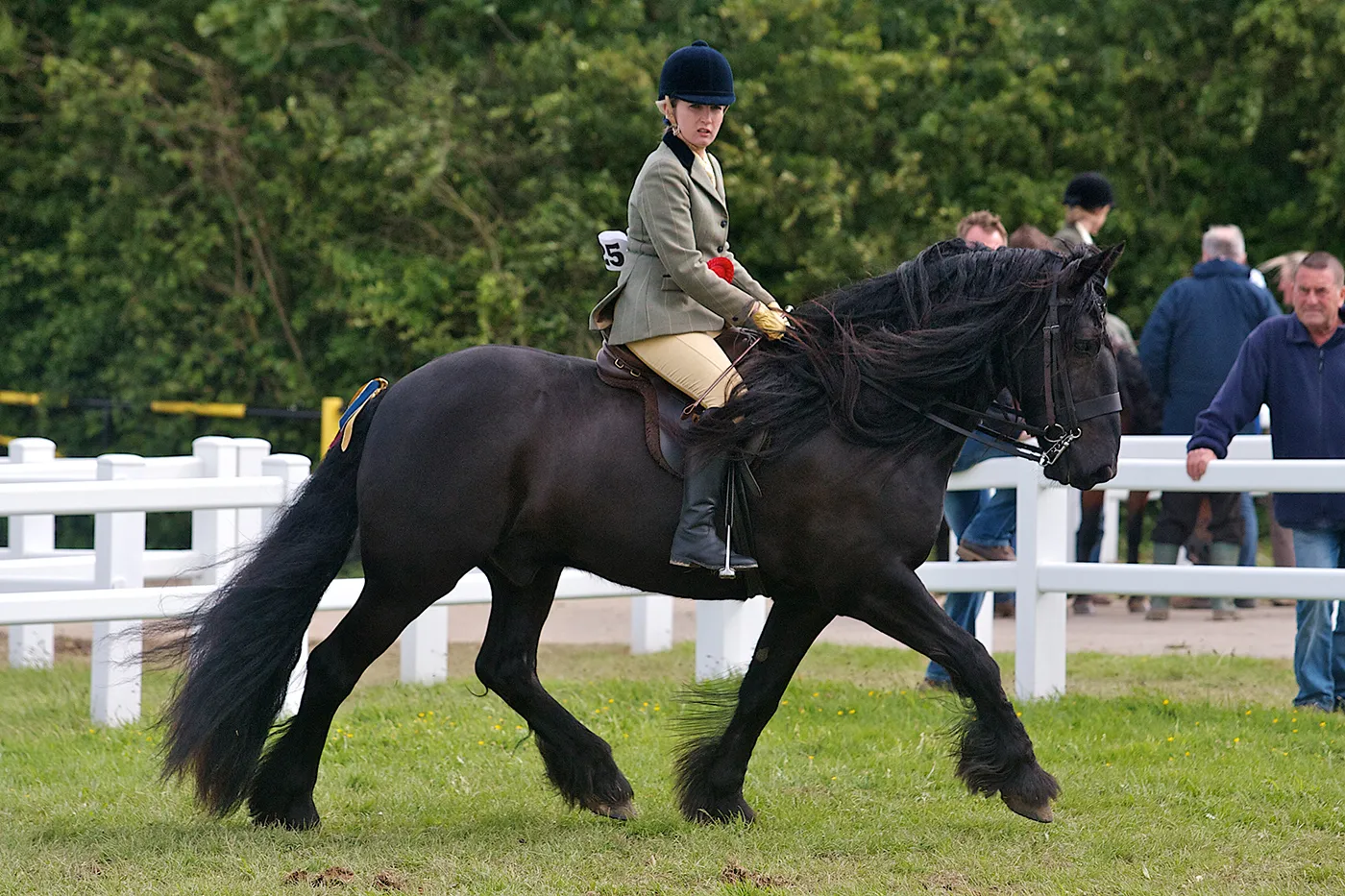
Native to the eastern slopes of the Pennine range in England, the Dales Pony developed from a cross between Scotch Galloways and native mares. Further refinement involved bloodlines from the Norfolk Cob and Yorkshire Roadster. Renowned for its strength, agility, hardiness, and courage, the Dales Pony possesses an intelligent and calm nature, making it an exceptional all-round riding and driving pony. Dales Ponies have no upper height limit and come in black, brown, grey, bay, and roan.
 Dales Pony grazing in a field
The Cleveland Bay: An Athletic and Endangered Breed
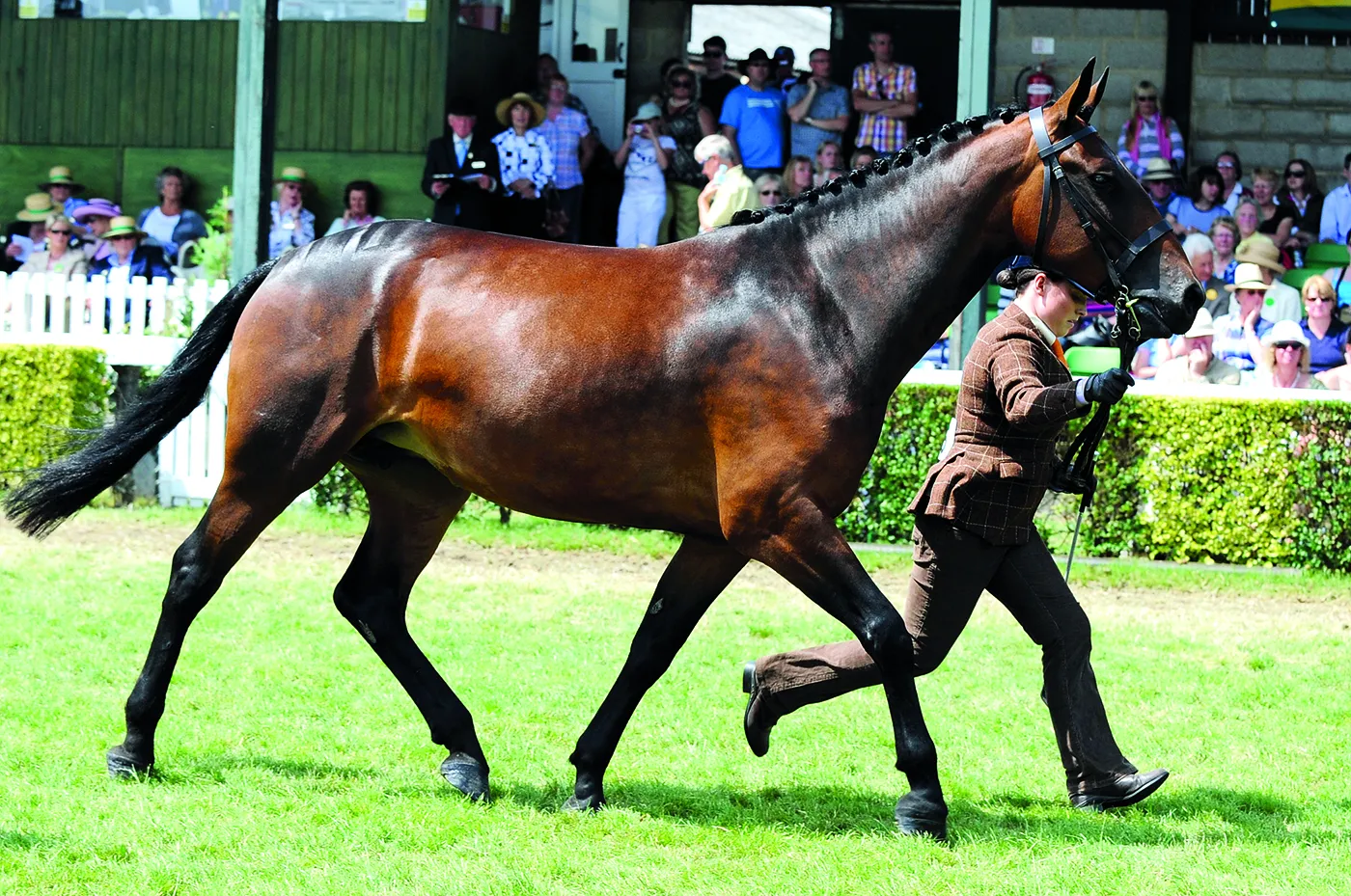
The Cleveland Bay, with roots tracing back to the 17th-century Chapman horse, is a versatile and athletic breed, standing between 16 to 16.2 hands high. Primarily solid bay in color, they were historically used by farmers for land work, riding, and as pack animals. In 2018, the Cleveland Bay was the most endangered native equine breed in the UK, with only 64 breeding females. The Cleveland Bay Horse Society, founded in 1884, continues to preserve and promote the breed, which has historical support from the Royal family.
 A majestic Cleveland Bay horse in a field
The Exmoor Pony: Ancient Hardiness on the Moor
Exmoor ponies have inhabited the Exmoor moorlands since ancient times, developing a hardy, independent, and intelligent nature suited to their environment. Following land acquisition in 1818, distinct herds like the Acland (now Anchor) herd were established, with some semi-feral herds still roaming the moor. Although numbers dwindled in the mid-20th century, the Exmoor Pony remains a rare but popular riding pony for children and smaller adults. Stallions typically reach 12.3 hands, mares 12.2 hands, and they exhibit bay, brown, or dun colors with distinctive mealy markings.
The Eriskay Pony: A Critically Endangered Scottish Gem
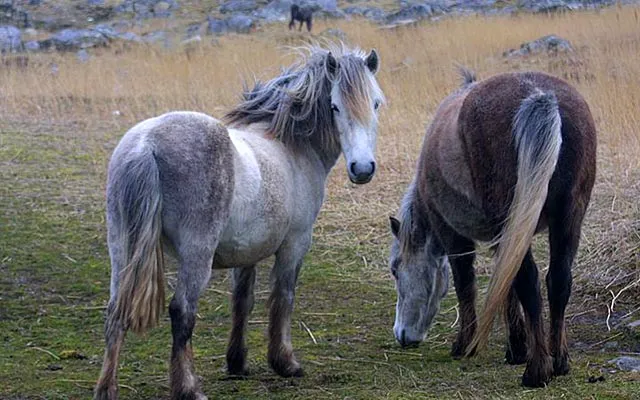
The Eriskay Pony, standing up to 13.2 hands, is one of the last surviving native pony breeds of Scotland’s Western Isles. Facing near extinction by the early 1970s, the Eriskay Pony Society was founded in 1995 to aid its recovery. Today, approximately 420 Eriskays exist worldwide, classified as critical by the Rare Breeds Survival Trust. Predominantly grey, with occasional black or bay individuals, they are known for their hardiness and gentle temperament.
 An Eriskay pony with its distinctive grey coat
The Newfoundland Pony: Strength and Intelligence from Canada
The Newfoundland Pony is celebrated for its strength, courage, intelligence, obedience, and common sense. The breed’s population plummeted from an estimated 12,000 in the 1970s to fewer than 100 by the 1980s. In 1997, the Heritage Animals Act of Newfoundland and Labrador provided legal protection, restricting exports and designating the Newfoundland Pony Society as its guardian. Today, with 250 registered breeding animals, their height ranges from 11 to 14.2 hands, and they come in various colors including bay, black, brown, chestnut, dun, grey, roan, and white.
The Akhal-Teke: Ancient Endurance and Metallic Sheen
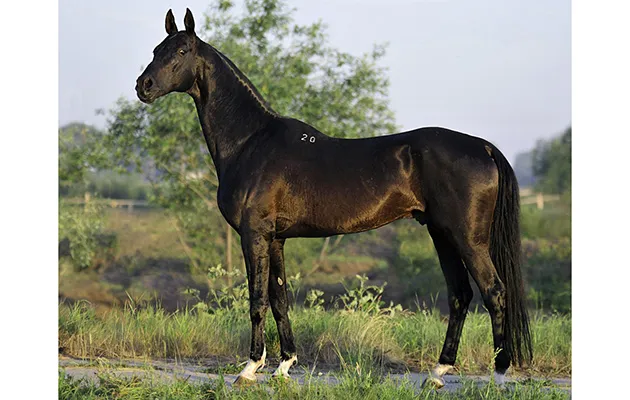
Developed in the Karakum desert of Turkmenistan, the Akhal-Teke is one of the oldest domesticated horse breeds, renowned for its endurance and speed. Its introduction to the United States in 1979 led to the formation of the Akhal-Teke Association of America. These slim, athletic horses typically stand between 14 to 16 hands. Akhal-Tekes are characterized by their fine coats, often with a metallic sheen, and can appear in any color, frequently exhibiting cream dilution genes that result in palomino, cremello, and perlino coats.
 An Akhal-Teke horse with a shimmering coat
The Caspian Horse: An Ancient Forefather of Modern Breeds
Averaging 11.2 hands, the Caspian Horse is considered a horse rather than a pony, despite its size. Dating back at least 5,000 years to ancient Persia, experts believe it to be the progenitor of the Arabian horse and thus many modern hot-blooded breeds. Known for their spectacular movement and speed, these elegant horses are characterized by their balanced proportions.
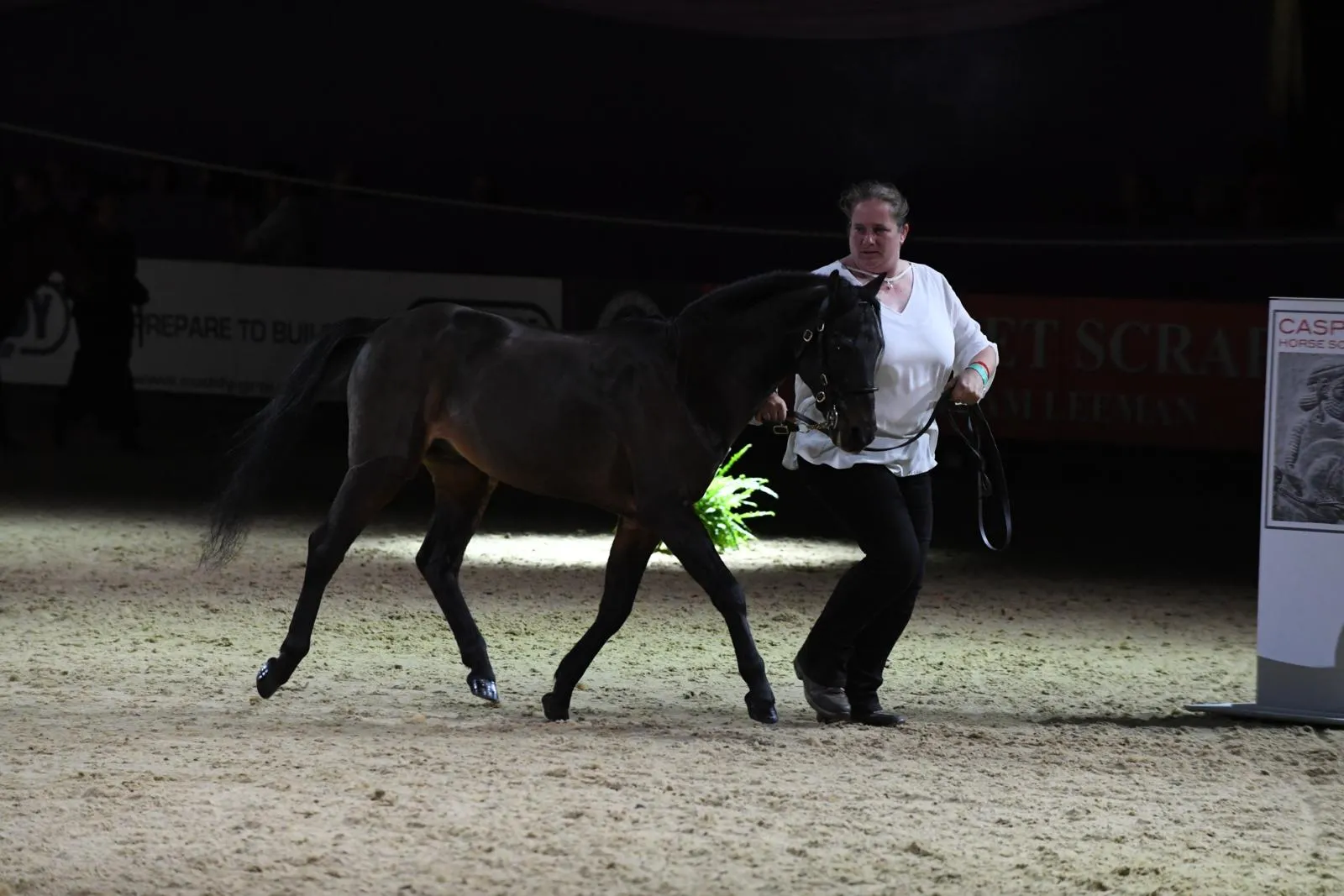 A Caspian Horse at a show
The Suffolk Horse: The Oldest Heavy Horse Breed
The Suffolk Horse holds the distinction of being the oldest heavy horse breed in its current form, with all modern Suffolks descending from Crisp’s Horse of Ufford, foaled in 1768. Historically vital for draught work and forestry, the breed’s numbers declined drastically with the advent of tractors. Today, the Suffolk Horse is increasingly popular for crossing to produce heavy sport and show horses and is gaining recognition in ridden heavy horse classes.
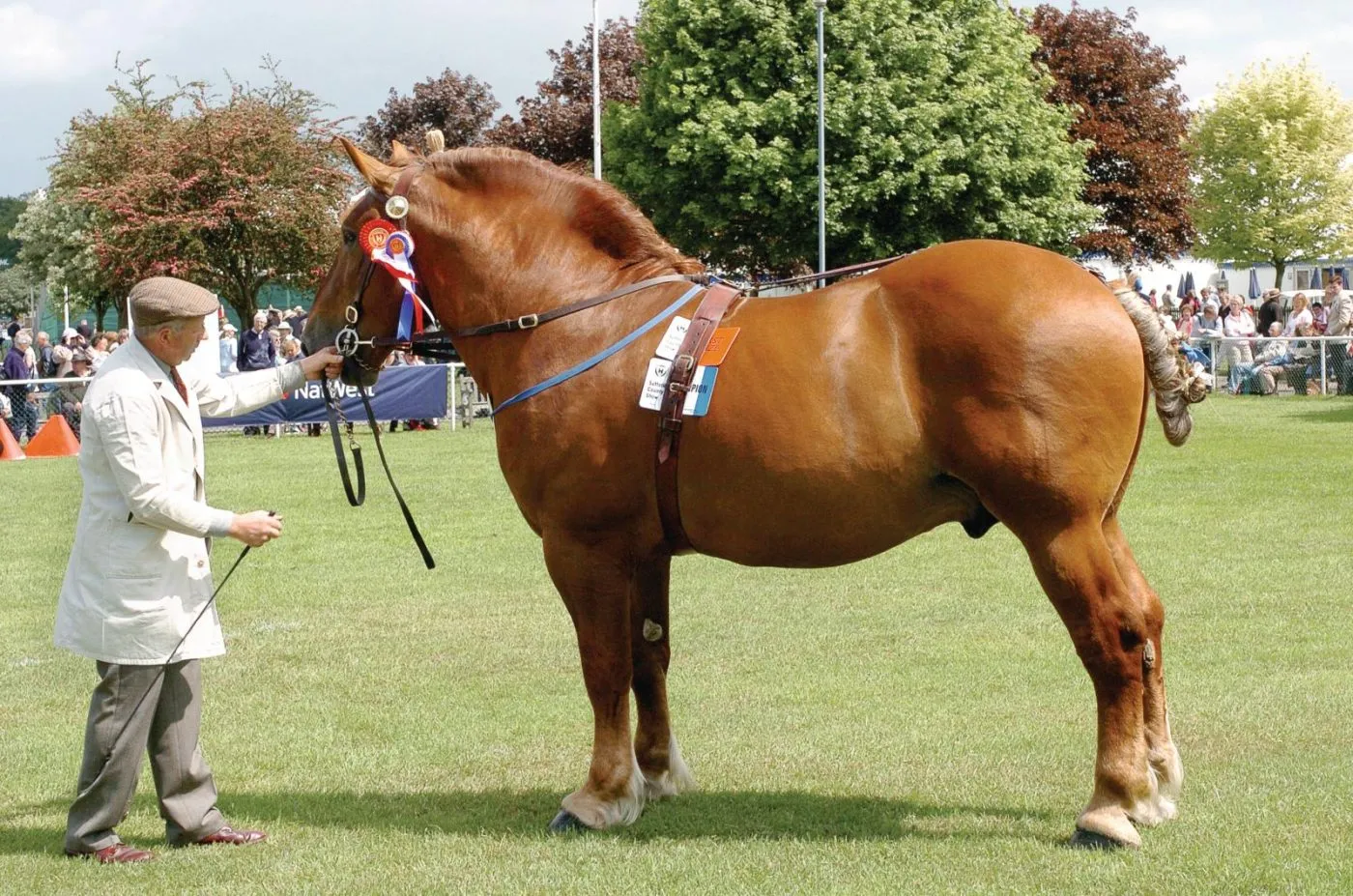 A powerful Suffolk Horse in a field
The Hackney: The Stylish Carriage Horse
The British Hackney, with origins in 18th and 19th-century trotting horses, became a status symbol for its high-stepping action and stylish carriage work. The breed’s development was influenced by early Thoroughbred stallions, and the Hackney Horse Society and Stud Book were established in 1883. Hackneys range from 14 to 16.2 hands, while Hackney ponies stand between 12.2 to 14 hands. They exhibit various solid colors, often with white markings, and are prized for their ability to trot at high speeds for extended periods.
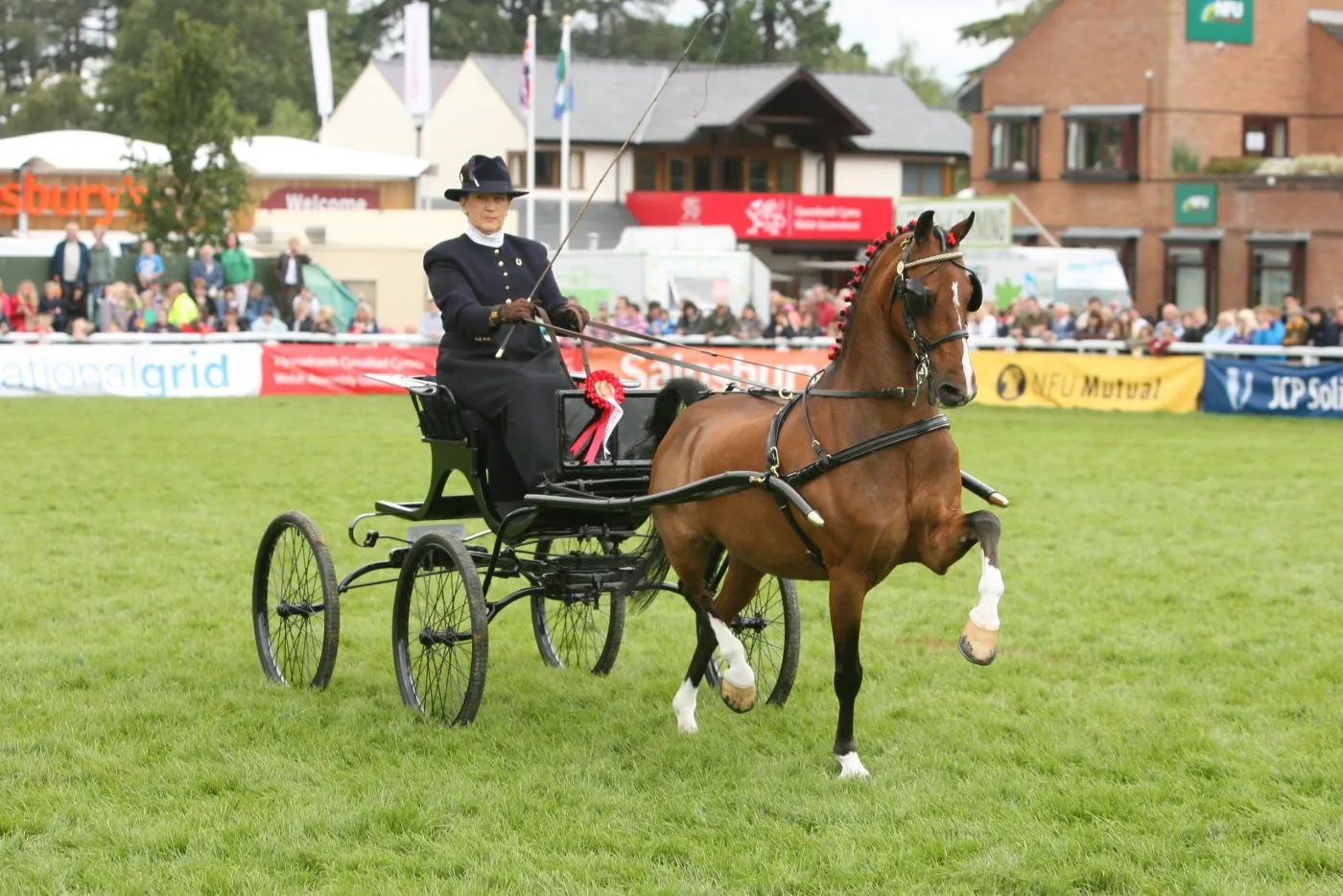 A Hackney horse in motion, showcasing its high-stepping gait
The Sorraia: A Remnant of Iberian Wild Horses
The Sorraia Horse represents a remnant population of an indigenous South Iberian wild horse that survived in Portugal’s Sorraia River lowlands until the early 1900s. Dr. Ruy d’Andrade played a crucial role in their preservation, discovering them in 1920. With only around 200 Sorraias existing today, primarily in private hands, the breed faces significant challenges due to a small founding population and high in-breeding.
The American Cream Draft Horse: A Unique American Draft Breed
The American Cream Draft is the only draft breed to originate in the United States, believed to trace its lineage to a cream-colored draft mare named Old Granny. Recognized by the Iowa Board of Agriculture in 1950, the breed is distinguished by its coat color, ranging from pale cream to rich golden, complemented by a white mane and tail. Approximately 250 American Cream Draft Horses exist worldwide.
The Curly Horse: The Hypoallergenic Breed
The American Bashkir Curly Horse, often referred to as the Curly Horse, is unique for its gene that produces a curly coat of hair, leading to claims of it being a hypoallergenic breed. Originating in North America, there are a few thousand Curly Horses globally. The first registry, the American Bashkir Curly Registry, was formed in 1971. Today’s Curly Horses often trace their ancestry to three key stallions: Copper D, Curly Jim, and Eli Bad Warrior’s sire.
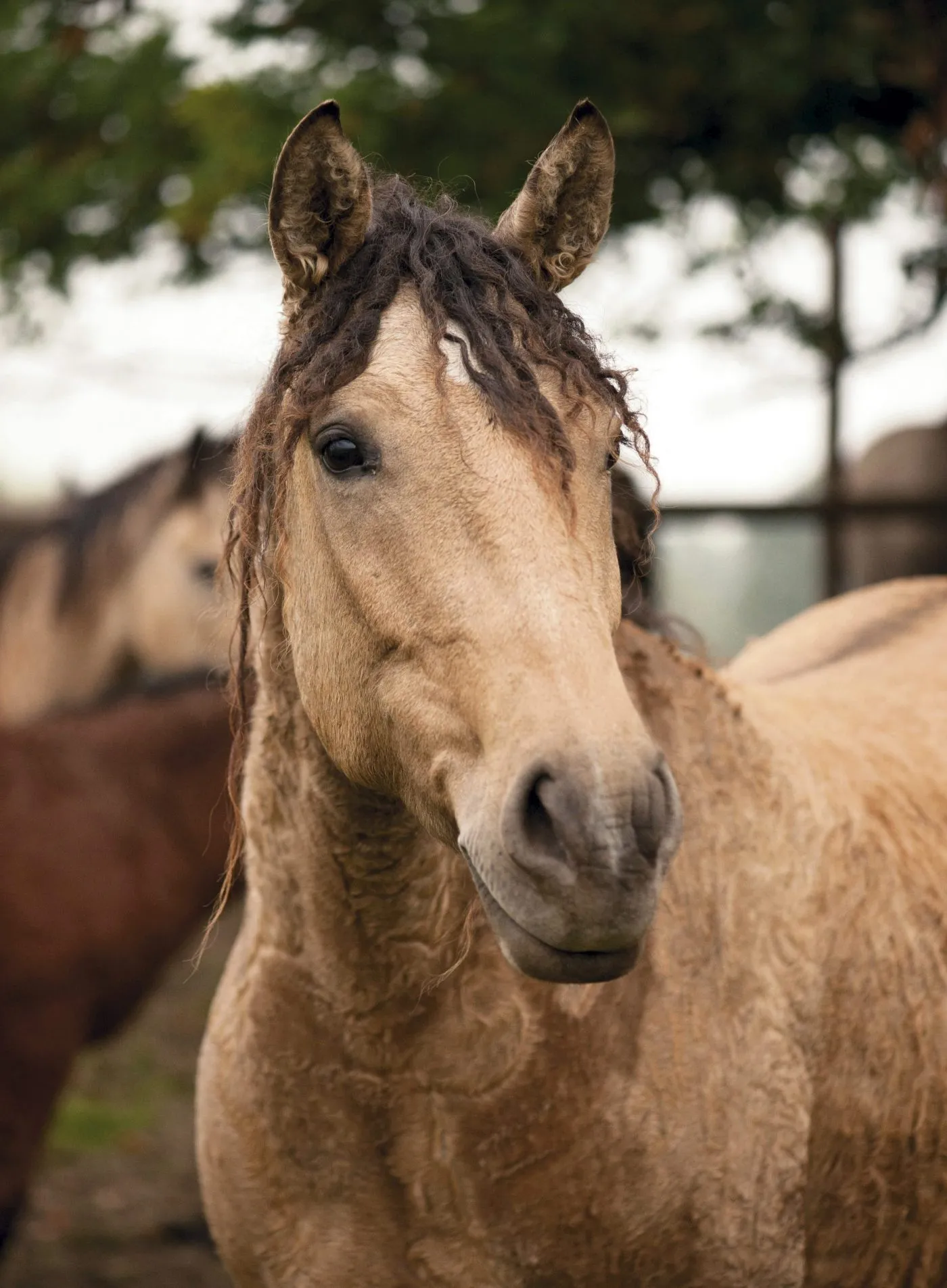 A Curly Horse with its characteristic wavy coat
The Marwari Horse: Exquisite Ears and Warrior Heritage
Developed in the Marwar region of India, the Marwari Horse is famed for its distinctive inward-turning ear tips. Facing near extinction, an export ban was enforced in the 1930s, but in 2000, exports to the United States resumed. With fewer than 5,000 purebred horses globally, the breed traces its ancestry to Arabian and Mongolian horses.
The German Black Forest Horse: Chestnut and Gold
Originating from southern Germany’s Black Forest, this breed dates back to the 15th century and was historically used for farm work and forestry. Known by various names, including Schwarzwälder Kaltblut, the German Black Forest Horse is characterized by its rich chestnut coat and distinctive golden mane and tail. They typically stand between 14.2 to 16 hands and are considered cold-blooded, light-draft horses.
These rare horse breeds represent a valuable part of global equine heritage. Efforts in conservation and breed promotion are crucial to ensure their survival for future generations to appreciate and benefit from.
