
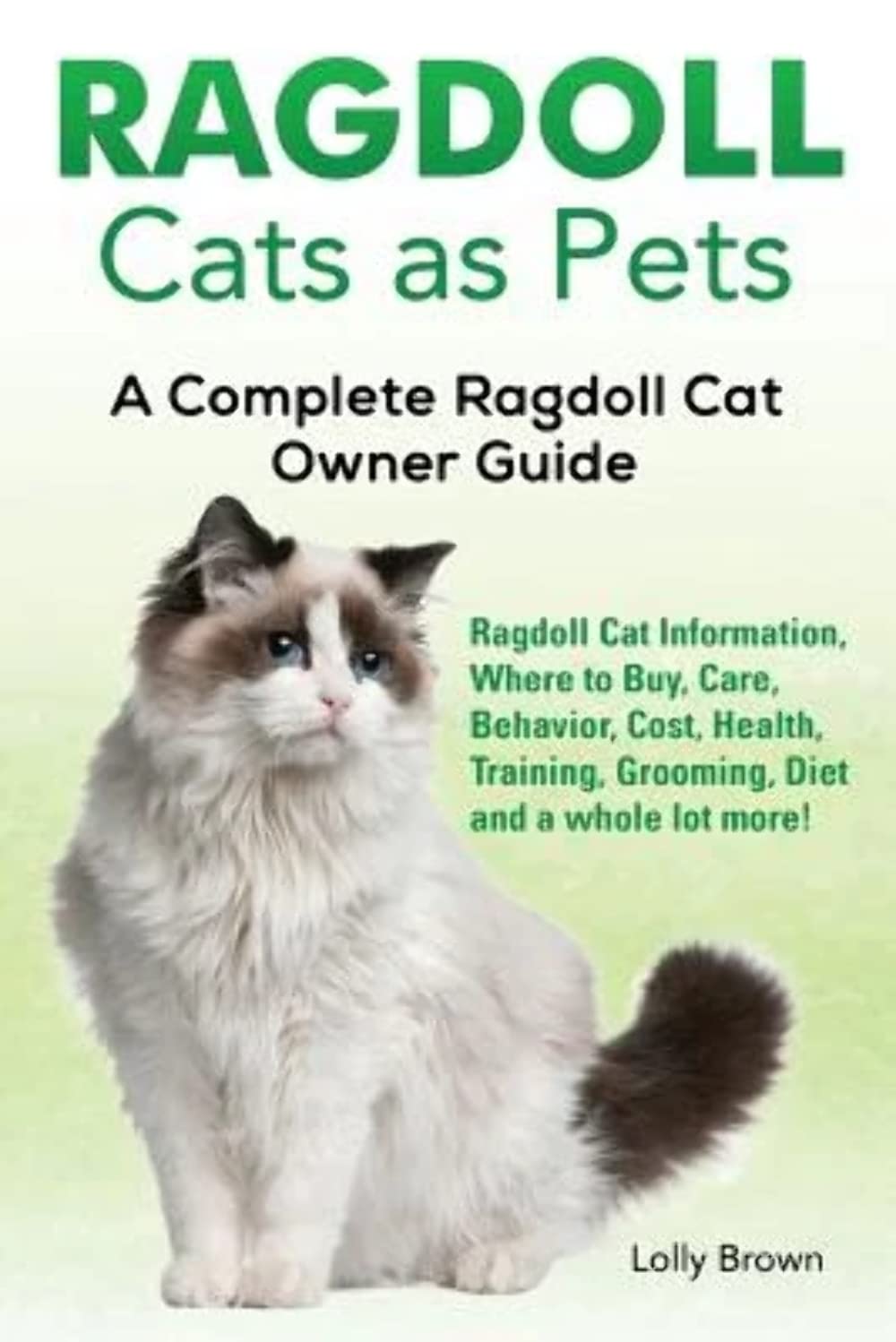
Ragdoll cats are cherished for their affectionate nature and calm demeanor, making them a delightful addition to many homes. However, their gentle disposition doesn’t necessarily equate to a low-maintenance pet. Understanding and meeting their specific needs is crucial for their well-being. This guide delves into the essential aspects of Ragdoll Cat Care, covering grooming, nutrition, health, and overall well-being for both kittens and adult cats.
Ragdolls are known for being highly social and thrive on companionship, often forming strong bonds with their families. Unlike some more independent breeds, they can experience distress when left alone for extended periods. Therefore, a Ragdoll cat might not be the ideal choice for individuals with very demanding schedules. These cats are best suited as indoor pets due to their trusting and friendly nature, which can make them vulnerable to the dangers of the outdoors. Providing a secure, stable, and interactive home environment is key to a Ragdoll’s happiness. Daily playtime, consistent socialization, and abundant affection are fundamental components of caring for a Ragdoll.
The Joy of Play: Essential for Ragdoll Well-being
Playtime is a critical element in the life of a Ragdoll cat, serving not only as a source of entertainment but also as a powerful tool for strengthening the bond between cat and owner. Ragdolls possess a remarkable level of social intelligence, which translates into them being excellent play companions. Their advanced communication skills allow them to learn new tricks with relative ease, and they often respond to basic commands with an enthusiasm similar to that of dogs. This makes interactive games, such as fetch, particularly rewarding for both the cat and the owner. When children are part of the household, it’s important to educate them on how to play with the cat respectfully. Ragdolls’ placid nature means they might tolerate rough handling, which could lead to unintentional injuries. Teaching children appropriate interaction from an early age is essential to ensure the cat’s safety and comfort.
Grooming Routine: Keeping the Ragdoll Coat Healthy
Ragdolls typically possess a medium to long, silky coat that requires regular grooming. Fortunately, their fur is generally less prone to matting compared to breeds with dense undercoats, such as Maine Coons or Persians. This makes their grooming routine more manageable. Ragdoll kittens are born with a finer coat that gradually thickens over their first few years, reaching its full volume around the age of four. It’s beneficial to introduce grooming early, allowing the kitten to become accustomed to the process. Regular brushing, at least once or twice a week, not only helps maintain the coat’s condition but also provides an opportunity for a thorough health check, allowing owners to identify any potential skin issues, such as lesions or flea bites, while spending quality time with their pet.
Tips for Effective Ragdoll Grooming:
- Choose the right tools: Opt for a slicker brush or one with soft bristles. Avoid stainless steel combs, which can irritate the cat’s skin.
- Brush strategically: Start with the longer fur areas, such as the belly and legs, and work your way upwards. Use gentle, upward strokes to prevent tangles.
- Finishing touch: A soft rubber brush can help remove any remaining loose hairs.
- Seasonal adjustments: Ragdolls may shed more during warmer months as they lose their thicker winter coats, necessitating an increase in brushing frequency.
Bathing Your Ragdoll: A Gentle Approach
As Ragdolls are primarily indoor cats and tend to be meticulous groomers, frequent bathing is usually unnecessary, often limited to once a month. While they may not be as fond of water as some other breeds, introducing baths early in kittenhood can help them adapt.
A step-by-step guide to bathing:
- Pre-bath brush: Remove any loose hair or debris before wetting the cat.
- Water temperature: Ensure the water is lukewarm. A sink or a small tub can be used.
- Use cat-specific products: Avoid human shampoos and conditioners. Opt for products formulated for cats, ideally for Ragdolls, to cater to their unique coat needs.
- Cleanse carefully: Apply shampoo to the body, avoiding the head. A damp cloth can be used to clean the face.
- Rinse thoroughly: Gently pour lukewarm water over the cat, being careful to protect their eyes and ears. Ensure all shampoo residue is removed.
- Drying: Towel dry the cat, or use a blow dryer on a low, cool setting if the cat tolerates the noise.
Veterinary Care: Annual Check-ups for Optimal Health
Regular veterinary visits are a cornerstone of Ragdoll cat care. While generally a robust breed, Ragdolls can be predisposed to certain health conditions:
- Hypertrophic Cardiomyopathy (HCM): This inherited condition involves the thickening of the heart muscle, increasing the risk of heart failure and thromboembolism. Echocardiography can aid in diagnosis.
- Polycystic Kidney Disease (PKD): Some Ragdolls inherit a gene causing cysts to develop in the kidneys. Diagnosis may involve blood tests, urine analysis, ultrasounds, and genetic testing.
- Urinary Tract Issues: Ragdolls have a tendency towards urinary tract problems, including infections, inflammation, bladder stones, and kidney issues. Older cats and those with poor nutrition are at higher risk.
- Excessive Hairballs: Due to their coat length, Ragdolls can be prone to hairballs, which may cause digestive upset such as constipation, diarrhea, or vomiting.
- Weight Management: While Ragdolls are a larger breed, they can still struggle with obesity if their diet and exercise are not managed appropriately. This can lead to secondary health problems like heart disease and diabetes.
Early detection and a healthy lifestyle, including appropriate nutrition and regular exercise, are crucial for managing these conditions effectively and ensuring a long, healthy life for your Ragdoll.
Nutritional Needs: Fueling Your Ragdoll’s Health
Providing a well-balanced diet with appropriate calorie content is essential for Ragdolls. Their larger frame requires more calories than smaller felines, but their propensity for weight gain necessitates careful dietary management. The right diet is fundamental to their overall health.
Caloric Requirements:
The daily caloric intake for a Ragdoll depends on their age, activity level, and whether they are neutered or spayed. Kittens experience rapid growth spurts, particularly in their first four years, requiring higher energy levels. Calorie recommendations are often based on the kitten’s weight:
| Ragdoll Kitten Weight | Recommended Daily Intake (kcal) |
|---|---|
| 1 kg | 163 |
| 1.5 kg | 227 |
| 1.9 kg | 272 |
| 2.4 kg | 327 |
| 2.8 kg | 369 |
| 3.2 kg | 422 |
| 3.6 kg | 459 |
| 4.1 kg | 505 |
| 4.6 kg | 543 |
For adult Ragdolls, daily intake typically ranges from 240–380 kcal for males and 160–280 kcal for females, generally not exceeding 40 kcal per kilogram of body weight.
Wet vs. Dry Food: Understanding Nutritional Requirements
Ragdolls are obligate carnivores, requiring a diet rich in animal protein. Key nutrients include:
| Nutrient | Importance |
|---|---|
| Water | Crucial for circulation, digestion, nutrient absorption, skin, and urinary health. |
| Animal Protein | Essential for tissue and muscle development, vital body functions, and energy. |
| Omega-3 & Omega-6 Fatty Acids | Support skin and fur health, wound healing, and reduce shedding. |
| Vitamins & Minerals | Boost immune response and enzyme function. |
A diet that includes at least two servings of wet, meat-based food daily is recommended. Wet and semi-wet foods typically contain higher protein (around 50%) and moisture (around 70%) content compared to dry kibble. Grain-free recipes are often preferred, as Ragdolls benefit from a high-protein, low-carbohydrate diet. Carbohydrates are not an efficient energy source for cats and can contribute to weight gain. Kibble, often containing starches like peas, cereals, corn, or sweet potatoes, is calorie-dense and has significantly lower moisture content.
Choosing the Right Food: The Untamed Advantage
Untamed offers high-quality, natural cat food made with gently steamed ingredients to preserve nutrient bioavailability. Their recipes are designed to mimic a cat’s natural diet and cater to all life stages and breeds. Untamed products are free from sugar, grains, vegetable proteins, and other unsuitable fillers, focusing instead on whole meats such as chicken, duck, salmon, and tuna. For cats with sensitivities, Untamed provides hypoallergenic options like Chocka Chicken in Jelly and Tuck-in Tuna in Jelly, each featuring a single source of protein.
Subscribing to Untamed ensures your Ragdoll receives delicious and nutritious meals tailored to their needs. Customers often report improvements in their cat’s digestion, coat quality, shedding, and overall energy levels after switching to Untamed.
A well-informed and dedicated owner is key to a Ragdoll cat’s happy and healthy life. By understanding their specific grooming, dietary, and health requirements, you can ensure your Ragdoll companion thrives for years to come.
