
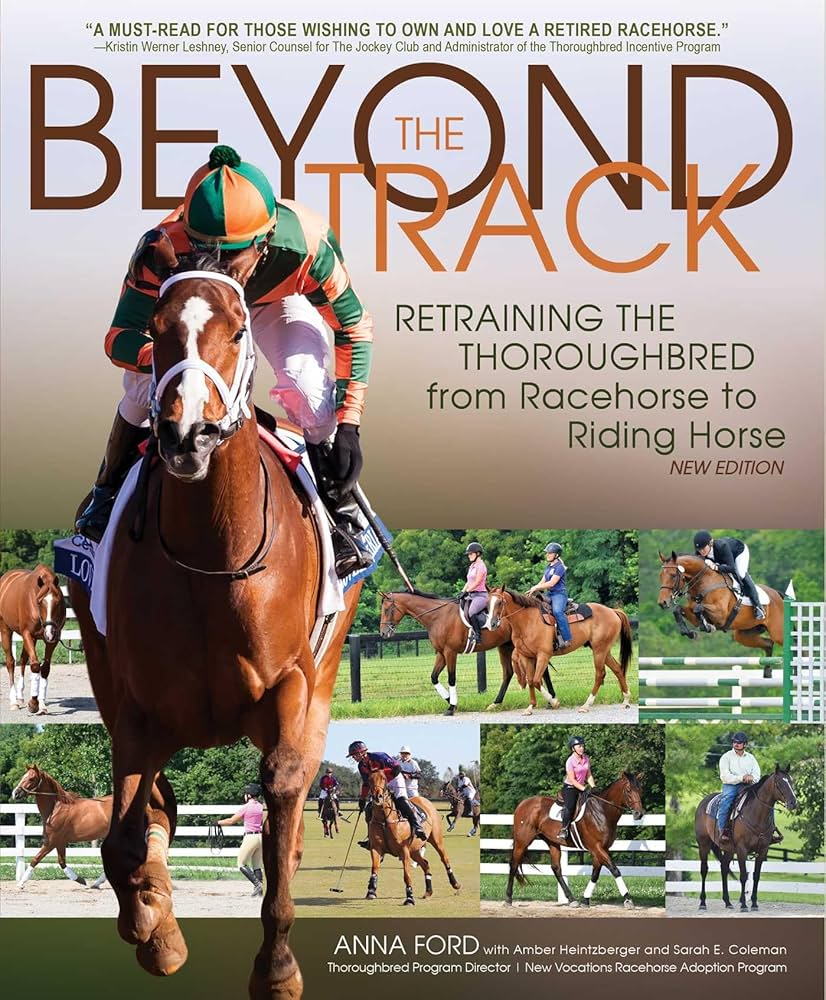
Making the switch from a career on the racetrack to a life as a pleasure or performance riding horse is a significant transition for any equine athlete. This journey requires patience, understanding, and a tailored approach to retraining. While racehorses are highly trained for a specific discipline, their fundamental athleticism and trainability make them excellent candidates for success in various equestrian pursuits. This guide will walk you through the essential steps and considerations for successfully retraining a racehorse into a riding horse, ensuring a positive and fulfilling experience for both horse and rider.
The transition from racing to riding demands a nuanced understanding of the horse’s past experiences and a gentle, systematic approach to introducing new skills and expectations. Racehorses are accustomed to a high-octane environment, specialized handling, and a very specific work regimen. Their training has been geared towards speed, stamina, and responsiveness to the jockey and track conditions. Shifting this focus to disciplines like dressage, show jumping, eventing, or even pleasure riding involves retraining their minds and bodies for different demands, gaits, and rider interactions. This retraining isn’t about erasing their past but building upon it, respecting their athletic history while forging a new path forward.
Understanding the Racehorse’s Background
Before embarking on the retraining process, it’s crucial to understand the unique characteristics and experiences of a former racehorse. Their background profoundly influences their temperament, learning style, and physical condition.
The Racehorse Mindset
Racehorses are bred and trained for speed and competition. Their training is intense, focused, and often involves a degree of pressure to perform. They are accustomed to:
- Fast-paced work: Galloping at high speeds.
- Specific cues: Responding to jockey aids, blinkers, and starting gates.
- Group environments: Being stabled and trained with other horses.
- Routine and repetition: A structured daily schedule centered around training and racing.
This intense focus on speed and competition can sometimes translate into a heightened sensitivity, a tendency to spook at unfamiliar stimuli, or a need for a strong, consistent leader. They may also be more accustomed to pressure and specific types of correction, which needs to be managed carefully during retraining to avoid creating anxiety.
Physical Considerations
A horse retiring from racing may have accumulated wear and tear. A thorough veterinary check-up is paramount before beginning any new training program. This includes:
- Lameness evaluation: Assessing any past or present injuries.
- Dental check: Ensuring proper alignment and comfort for riding aids.
- Hoof health: Checking for any issues that might affect soundness under saddle.
- Overall fitness: Evaluating their current condition and building stamina appropriately.
It’s important to remember that a horse trained for racing is already a highly conditioned athlete. However, the type of conditioning and the stresses placed on their bodies are different from those in disciplines like dressage or jumping. Gradual conditioning for their new discipline is essential to prevent injury.
The Retraining Process: A Step-by-Step Approach
The transition from racehorse to riding horse is best approached systematically, focusing on building trust, introducing new skills gradually, and celebrating small victories. The core principles are patience, consistency, and positive reinforcement.
Phase 1: Decompression and Groundwork
The initial phase is crucial for allowing the horse to decompress from the demands of racing and begin building a new relationship with their handler.
Allowing Time to Adjust
Upon retirement, a horse needs a period of rest and acclimatization to a less intense environment. This might involve:
- Turnout: Ample time in a pasture or paddock, allowing them to simply be a horse, graze, and socialize.
- Reduced activity: Minimal handling and no strenuous work.
- New environment: Settling into their new stable and routine.
This decompression period can last anywhere from a few weeks to several months, depending on the horse’s individual needs and temperament.
Re-establishing Groundwork
Once the horse has settled, groundwork becomes the foundation for saddle work. This phase focuses on communication, obedience, and building confidence through non-saddle exercises.
- Leading and yielding: Teaching the horse to walk calmly beside you, yield to pressure on the lead rope, and respect personal space.
- Desensitization: Gradually exposing the horse to new objects, sounds, and sensations in a controlled manner. This is vital for preparing them for the varied experiences they’ll encounter as a riding horse. Think tarps, bicycles, strange noises – all introduced calmly.
- Lunging: A valuable tool for teaching voice commands, voice aids, and improving responsiveness without the rider’s weight. It also helps establish rhythm and balance.
- Basic obedience: Commands like “whoa,” “walk on,” and “back up” are fundamental.
This stage is about building a strong partnership based on mutual respect and clear communication. It’s where the horse learns to trust your guidance and respond willingly.
Phase 2: Introducing the Saddle and Rider
Once the horse is comfortable and responsive on the ground, the next step is to introduce the saddle and then the rider.
Introducing the Saddle
- Saddle familiarization: Letting the horse see, smell, and touch the saddle.
- Saddling up: Gently placing the saddle on the horse’s back, ensuring it’s comfortable and not too tight. Allow the horse to get used to the feel of the girth.
- Lunging with the saddle: Once comfortable, lunge the horse with the saddle on to help them acclimate to the weight and feel.
First Rides
The first rides should be short, calm, and focused on building confidence.
- Calm environment: Choose a quiet, familiar arena or paddock.
- Short duration: Keep initial rides to 10-15 minutes.
- Gentle transitions: Focus on walk and trot, introducing canter only when the horse is relaxed and confident.
- Positive reinforcement: Praise and reward relaxation and willingness.
- Rider’s position: The rider should be balanced, calm, and use aids gently and consistently. Avoid sharp or sudden movements.
This phase is about teaching the horse to accept the rider’s weight, balance, and aids. It’s crucial to prevent the horse from becoming anxious or associating the saddle and rider with discomfort or fear.
Phase 3: Discipline-Specific Training
With a solid foundation in place, you can begin tailoring the training to the specific discipline you wish to pursue.
Adapting Gaits and Responsibilities
Racehorses typically have a very forward, ground-covering gallop. Retraining for other disciplines involves refining gaits and teaching new movements.
- Collection and balance: Teaching the horse to carry itself in a more collected frame, particularly important for dressage. This involves engaging the hindquarters and shortening the stride.
- Suppleness and bending: Encouraging lateral movement and bending through turns, essential for most riding disciplines.
- Jumping skills: If the horse is to become a jumper, introducing small obstacles and gradually increasing height and complexity. This requires teaching them to assess distances and use their body effectively over fences. For a horse trained for racing, jumping is a completely different skill set that requires careful development.
- Responsiveness to aids: Refining the horse’s response to leg pressure, rein aids, and seat.
Integrating Internal Links
As training progresses, integrating internal links can provide valuable context and reinforce learning for readers interested in horse training. For instance, understanding the nuances of horse trainer duties can be crucial at this stage. If you encounter challenges with specific behaviors, exploring resources on a horse trained for racing might offer insights into common issues and their solutions. Similarly, knowledge about abuse in horse racing can help owners be more vigilant about their horse’s well-being during and after their racing career. For those interested in specific training locations or methods, understanding horse racing Aiken SC or the expertise of a burke horse trainer could be beneficial.
Establishing Consistency and Routine
Consistency is key throughout the retraining process. A predictable routine helps the horse feel secure and understand expectations.
- Regular training sessions: Short, focused sessions are more effective than long, arduous ones.
- Consistent aids: Using the same cues for the same actions every time.
- Clear leadership: Maintaining a calm, assertive, and fair approach.
- Varied activities: While consistency is important, introducing variety in training can keep the horse engaged and prevent boredom. This might include trail rides, arena work, or even turnout in different pastures.
Common Challenges and Solutions
Retraining a racehorse isn’t without its hurdles. Anticipating these challenges and having strategies to address them will lead to a smoother transition.
Spooking and Sensitivity
Many ex-racehorses can be sensitive and prone to spooking, especially in new environments or at unfamiliar objects.
- Solution: Gradual desensitization is paramount. Expose the horse to stimuli slowly and calmly, rewarding them for remaining composed. Never punish a spook; instead, focus on helping the horse overcome their fear through positive experiences. Consistency in your reaction – remaining calm and steady – is crucial.
Lack of Collection or Responsiveness
Racehorses are trained to go forward. They may initially struggle with collection, bending, or responding to subtle aids.
- Solution: Focus on groundwork that encourages engagement of the hindquarters and suppleness. In the saddle, use exercises like serpentines, circles, and transitions to improve balance and responsiveness. Patience is key; it takes time for a horse to develop new muscle memory and a different way of going. Consider professional guidance from a trainer experienced in retraining racehorses.
Rider Anxiety or Over-Enthusiasm
The rider’s mindset plays a significant role. If the rider is anxious, the horse will sense it. If the rider is too eager to push the horse, it can lead to resistance.
- Solution: The rider must remain calm, balanced, and confident. Focus on clear, consistent communication. Celebrate small successes and avoid pushing the horse beyond its current capabilities. It might be beneficial for the rider to take lessons from an experienced instructor who can provide objective feedback and guidance.
The Rewards of Retraining
The effort invested in retraining a racehorse yields significant rewards. These horses, with their athleticism, intelligence, and typically willing temperaments, can make exceptional partners in a variety of equestrian endeavors.
- Versatility: Former racehorses can excel in dressage, show jumping, eventing, fox hunting, trail riding, and more.
- Companionship: They often form deep bonds with their handlers and become devoted companions.
- Athleticism: Their inherent athleticism means they often have stamina, strength, and a natural aptitude for learning.
- Second Careers: Retraining provides these deserving animals with a fulfilling second career, ensuring they are cared for and appreciated long after their racing days are over.
Transitioning a racehorse to a riding horse is a journey of partnership, trust, and mutual learning. By approaching the process with patience, consistency, and a deep understanding of the horse’s needs, you can unlock their potential and forge a rewarding relationship that lasts a lifetime. Remember that every horse is an individual, and their unique journey will require adaptation and a commitment to their well-being.
