
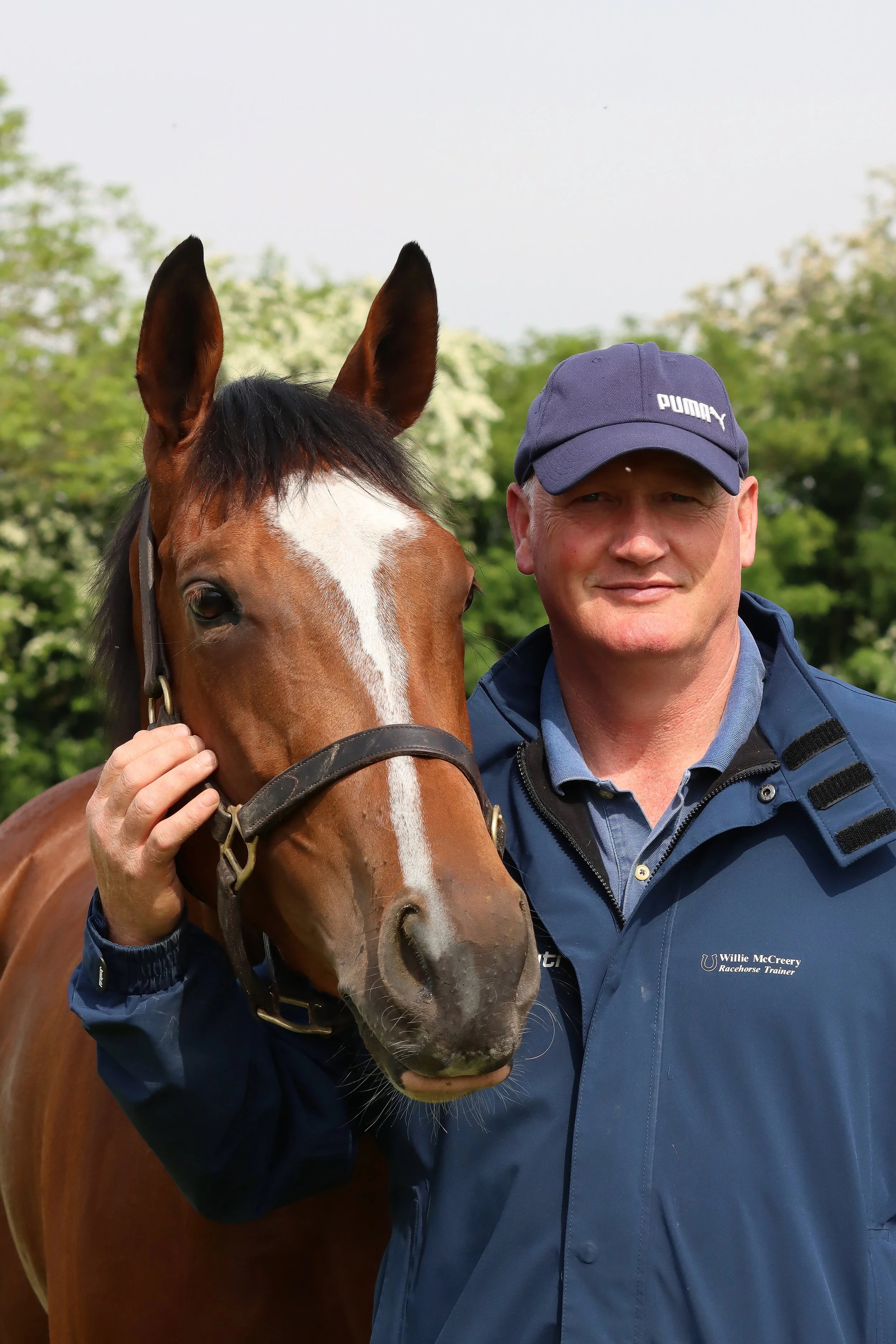
A racehorse trainer is a pivotal figure in the equestrian world, dedicated to preparing horses for the demanding sport of competitive racing. Their role encompasses a wide array of responsibilities, from meticulously managing a horse’s fitness and training regimen to overseeing its diet and overall health. These professionals collaborate closely with a team of experts, including veterinarians, farriers, and stable staff, to ensure each equine athlete is in optimal physical condition and primed for race day. Furthermore, trainers play a crucial role in selecting the most suitable races for each horse, considering its unique abilities and temperament. This comprehensive approach ensures horses are prepared not just physically, but also mentally for the challenges of the racetrack.
The work of a racehorse trainer goes beyond mere physical conditioning; it involves cultivating a horse’s stamina, enhancing its speed, and refining its responsiveness to the jockey’s commands. Trainers often supervise exercise riders during daily workouts, diligently monitor each horse’s progress, and adapt training plans as necessary. Exceptional trainers possess a deep understanding of horse behavior and care, coupled with strong communication skills essential for effective collaboration with owners, jockeys, and racing officials. Ultimately, their primary objective is to ensure horses race safely, competitively, and with the greatest chance of success.
Duties and Responsibilities of a Racehorse Trainer
The specific duties of a racehorse trainer can vary based on the scale of their operation and individual circumstances. However, several core responsibilities are consistently associated with the role.
Horse Training and Development
Racehorse trainers are tasked with creating and implementing comprehensive training programs tailored to each horse. This involves designing effective exercise routines, closely monitoring the horse’s progress, and making necessary adjustments to training methodologies. The focus is on progressively improving the horses’ physical fitness, developing their speed and stamina, and honing their racing techniques.
Health and Wellness Management
Ensuring the overall health and well-being of the racehorses is paramount. Trainers work in tandem with veterinarians to schedule regular health check-ups, administer vaccinations, manage dental care, and oversee any required medical treatments. A crucial aspect of this is managing the horses’ nutrition, providing balanced diets supplemented with appropriate nutrients to meet their specific dietary needs.
Stable Management
Trainers are responsible for the day-to-day operations of the stable. This includes managing and directing stable staff, assigning tasks, and ensuring the cleanliness and upkeep of the facilities. Providing comfortable living conditions, adequate bedding, and consistent access to clean water are fundamental aspects of their oversight.
Communication with Owners
Maintaining open and regular communication with horse owners is vital. Trainers provide consistent updates on the horses’ progress, performance in races, and any emerging concerns. They collaborate with owners to define racing goals, discuss race entries, and formulate race strategies. Leveraging their expertise, trainers also offer recommendations regarding the purchase and sale of horses.
Race Planning and Strategy
A significant part of a trainer’s role involves analyzing race conditions, track surfaces, and the competitive field to develop effective race strategies. This often includes conferring with jockeys to discuss race tactics, understand the horse’s behavior on the track, and provide specific instructions aimed at maximizing the horse’s potential for success. Trainers continually monitor race performances, evaluate the outcomes, and implement adjustments for future races.
Record Keeping
Detailed record-keeping is essential. Trainers maintain comprehensive records for each horse, documenting training routines, health histories, racing performance, and any noteworthy observations. This data is invaluable for assessing progress, identifying trends, and making informed decisions regarding training and race planning.
Industry Knowledge and Compliance
Staying abreast of the latest industry rules, regulations, and best practices is crucial. Trainers ensure strict compliance with racing regulations, drug testing protocols, and licensing requirements. They often engage in industry events, conferences, and workshops to expand their knowledge base and cultivate professional networks.
Team Management
Trainers work collaboratively with a team comprising stable staff, exercise riders, grooms, and other specialists. They provide clear guidance, training, and supervision to ensure seamless operations and the overall welfare of the team members.
Types of Racehorse Trainers
Racehorse trainers often develop specializations within the sport, focusing on particular breeds, racing styles, or stages of a horse’s career. Here are some common specializations:
- Flat Racing Trainers: These trainers prepare horses for races on level tracks, emphasizing speed and stamina over short to middle distances.
- Steeplechase Trainers: They train horses for races that involve navigating jumps, such as fences and hurdles, demanding significant agility and endurance.
- Harness Racing Trainers: These professionals specialize in training Standardbred horses to pull a sulky (a lightweight two-wheeled cart) at a trot or pace.
- Young Horse or Break-In Trainers: Their focus is on the initial training of young horses, teaching them fundamental handling and riding skills before they enter competitive racing circuits.
- Rehabilitation Trainers: These trainers work with racehorses recovering from injuries or undergoing rest periods, guiding them back to full fitness for competition.
Is a Career as a Racehorse Trainer Right for You?
Individuals drawn to the demanding yet rewarding career of a racehorse trainer often exhibit distinct personality traits. They tend to be highly investigative individuals, characterized by their intellectual curiosity, introspection, and inquisitive nature. These individuals are typically methodical, rational, analytical, and logical in their approach. Furthermore, many racehorse trainers also possess enterprising qualities, demonstrating adventurousness, ambition, assertiveness, and an energetic, optimistic outlook.
If this resonates with your own personality, exploring a career in racehorse training might be a fulfilling path.
The Workplace of a Racehorse Trainer
The typical workplace for a racehorse trainer is a dynamic and active stable or training facility, serving as the daily home and training ground for the horses. Trainers spend a considerable amount of time outdoors, overseeing exercise routines, managing feeding schedules, participating in grooming, and closely monitoring the horses’ health. The environment is often characterized by the sounds of horses in motion, the clear instructions of trainers, and the collaborative efforts of stable staff working to maintain smooth operations.
Beyond the stables, racehorse trainers also utilize office spaces or meeting areas for planning training schedules, reviewing individual horse progress, and communicating with owners, veterinarians, and jockeys. They employ modern technology, such as fitness trackers and video analysis tools, to meticulously monitor horse performance and refine training programs. The work is inherently physical and demands a high level of attention to detail and strong organizational skills.
The pace of work is influenced by the seasons and the racing calendar. During the peak race season, trainers may work extended hours to prepare horses for upcoming competitions and travel extensively to various race tracks. During quieter periods, the focus shifts to allowing horses to rest and recover, and to training younger or less experienced horses.
Frequently Asked Questions
Animal-Related Careers and Degrees
Careers
Degrees
See Also
Alligator Farmer Animal-Assisted Therapist Animal Behaviorist Animal Breeder Animal Caretaker Animal Control Worker Animal Lawyer Animal Nutritionist Animal Scientist Animal Trainer Animal Trainer For Film And Television Aquacultural Manager Aquaculturist Aquarist Avian Veterinarian Beekeeper Bird Trainer Chicken Sexer Circus Animal Trainer Comparative Anatomist Conservation Biologist Conservation Scientist Crocodile Wrangler Dairy Farm Worker Dairy Scientist Dog Breeder Dog Groomer Dog Trainer Dog Walker Ecologist Emergency and Critical Care Veterinarian Entomologist Equine Veterinarian Ethologist Evolutionary Biologist Exotic Animal Veterinarian Falconer Farmer Farm Manager Farrier Fish and Game Warden Fishery Officer Guide Dog Trainer Herpetologist Hippotherapy Clinical Specialist Horse Trainer Ichthyologist Jockey Kennel Technician Large Animal Veterinarian Livestock Farmer Mammalogist Marine Biologist Marine Mammal Trainer Oceanographer Ornithologist Pet Adoption Counselor Pet Detective Poultry Farmer Poultry Scientist Public Health Veterinarian Rancher Small Animal Veterinarian Snake Milker Theriogenologist Vermiculturist Veterinarian Veterinary Acupuncturist Veterinary Anesthesiologist Veterinary Behaviorist Veterinary Cardiologist Veterinary Dentist Veterinary Dermatologist Veterinary Neurologist Veterinary Ophthalmologist Veterinary Oncologist Veterinary Pathologist Veterinary Surgeon Veterinary Technician Veterinary Technologist Veterinary Assistant Wildlife Biologist Wildlife Ecologist Wildlife Enforcement Officer Wildlife Photographer Wildlife Rehabilitator Wildlife Veterinarian Zoo Curator Zoo Educator Zoo Endocrinologist Zoologist Exterminator Dairy Farmer Marine Ecologist Marine Mammalogist Marine Fisheries Biologist Marine Conservationist Family Dairy Farmer Commercial Dairy Farmer Organic Dairy Farmer Artisanal Dairy Farmer Robotic Dairy Farmer Cognitive Ethologist Neuroethologist Applied Ethologist Comparative Ethologist Comparative Animal Psychologist Behavioral Ecologist Conservation Behaviorist
