
Bringing a new dog into your life is an exciting journey, and ensuring they grow into a well-behaved companion often involves seeking professional guidance. Whether you’re dealing with a bouncy puppy or a dog with established behavioral quirks, a good dog trainer can be an invaluable asset. But with so many options out there, how do you choose the right one? Asking the right questions is key to finding a trainer who aligns with your goals and your dog’s needs. This guide will walk you through essential Questions To Ask A Dog Trainer, helping you make an informed decision for your furry friend.
Understanding the Trainer’s Approach and Experience
Before diving into specific training methods, it’s crucial to understand the trainer’s background and philosophy. This foundational knowledge will help you gauge their suitability for your situation.
What is your training philosophy and methodology?
This is arguably the most important question. A trainer’s philosophy dictates their entire approach. Look for trainers who emphasize positive reinforcement methods, which focus on rewarding desired behaviors rather than punishing unwanted ones. Methods like clicker training, lure-reward, and shaping fall under this umbrella. Avoid trainers who rely heavily on punishment, intimidation, or force, as these can damage your dog’s trust and potentially lead to aggression or fear. Understanding their methods will also help you gauge if they are a good fit for training alliance ohio.
How long have you been training dogs, and what types of dogs or issues have you worked with?
Experience matters. A trainer who has been in the field for several years has likely encountered a wide variety of breeds, temperaments, and behavioral problems. Inquire about their experience with specific issues you might be facing, such as leash reactivity, separation anxiety, or basic obedience. If you’re looking for a specific breed like a Doberman, asking about their experience with similar breeds can be beneficial. Similarly, if you’re interested in a Rottweiler, inquire about their experience with this powerful breed.
Are you certified by any professional organizations?
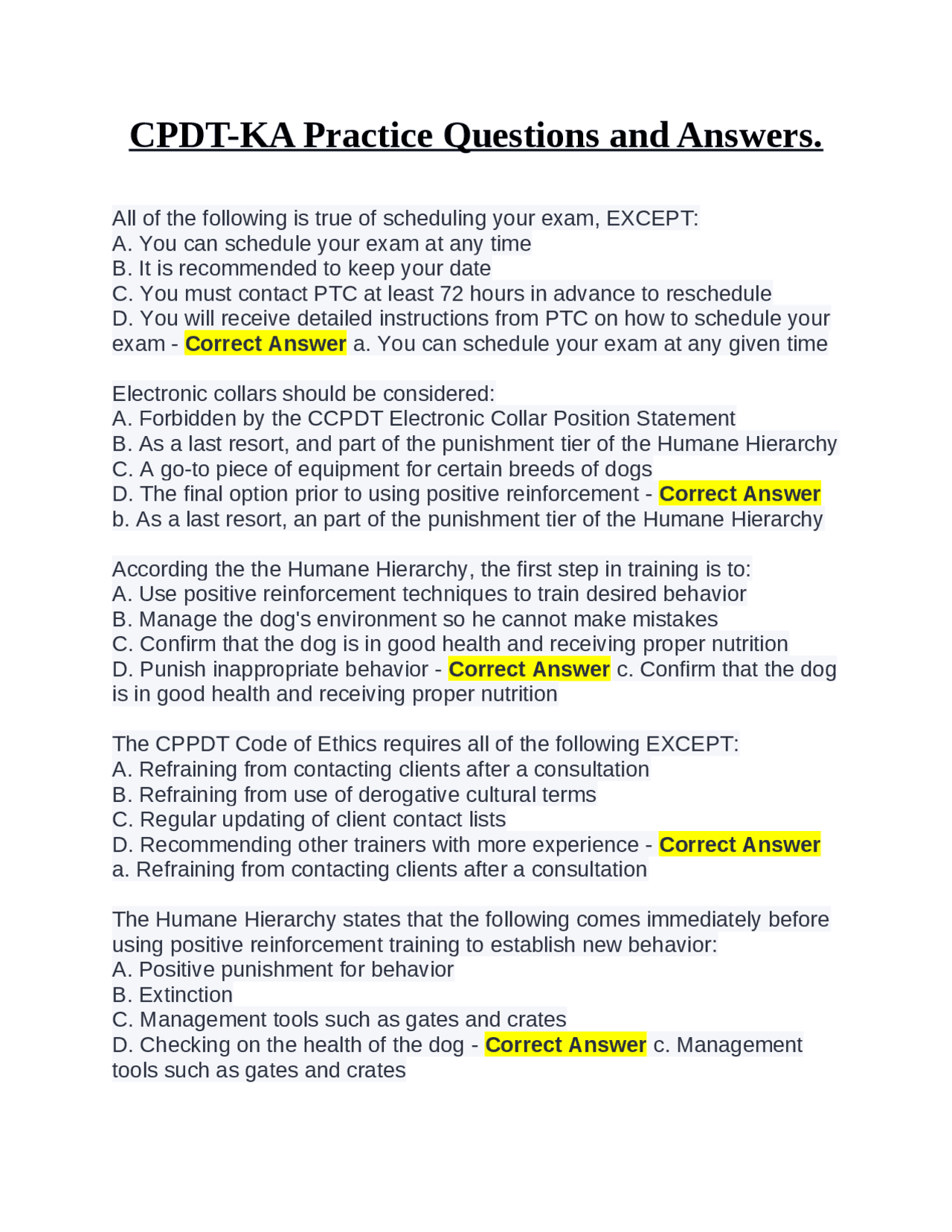
While certification isn’t always mandatory, reputable organizations often have rigorous testing and continuing education requirements. Look for certifications from organizations like the Certification Council for Professional Dog Trainers (CPDT-KA or CPDT-KSA), the Karen Pryor Academy (KPA-CTP), or the Academy for Dog Trainers (ADT). These credentials suggest a commitment to professional standards and ongoing learning in the field of dog behavior and training.
Can you provide references or testimonials from previous clients?
Past client experiences can offer valuable insights into a trainer’s effectiveness and professionalism. A good trainer should be happy to provide references or point you to online testimonials. Consider reaching out to a few references to get a firsthand account of their training journey.
Discussing Training Programs and Logistics
Once you have a grasp of the trainer’s general approach, it’s time to discuss the specifics of their programs and how they operate.
What types of training programs do you offer? (e.g., group classes, private sessions, board and train)
Trainers offer various services to meet different needs and budgets. Group classes are great for socialization and basic obedience, while private sessions allow for tailored instruction addressing specific issues. Board and train programs, where the dog lives with the trainer for a period, can be effective for intensive training but require a high level of trust in the trainer. Consider what best suits your dog’s personality and your learning style. If you need a trainer, you might consider to hire a dog trainer.
How long does a typical training program last, and what are the expected outcomes?
Understanding the duration and goals of a program is essential for setting realistic expectations. Ask about the number of sessions, the duration of each session, and what specific behaviors or skills your dog is expected to learn by the end of the program. For instance, what skills can a dog training Fairfield CT offer?
Where do training sessions take place?
The training environment can significantly impact a dog’s learning. Some trainers conduct sessions in their facility, at your home, or in public settings like parks. Home sessions can be beneficial for addressing issues within your dog’s natural environment, while public settings offer valuable real-world training opportunities.
What is your policy on cancellations or rescheduling?
Life happens, and it’s important to understand the trainer’s policies regarding missed sessions or the need to reschedule. This helps avoid any misunderstandnings or unexpected fees.
What are your fees and payment options?
Clearly understanding the cost of services is crucial. Ask about their fee structure – whether it’s per session, a package deal, or a monthly fee. Inquire about accepted payment methods and when payment is due.
Addressing Specific Training Needs and Concerns
This section focuses on questions that delve deeper into how the trainer will handle your dog’s unique needs and any specific challenges you might be facing.
How do you handle common behavioral issues like jumping, nipping, or excessive barking?
Every dog owner encounters behavioral challenges. Ask the trainer how they approach these common issues. Their response should reflect their positive reinforcement philosophy and offer practical, humane solutions.
How do you incorporate the owner into the training process?
Effective dog training is a team effort. A good trainer will not only work with your dog but also educate you on how to continue the training at home. Ask how they involve owners, what homework you can expect, and how they ensure you are equipped to maintain the progress your dog makes. This is crucial for long-term success, regardless of where you are, even if you are looking for dog training in Ohio.
What is your approach to socialization for puppies and adult dogs?
Proper socialization is vital for a well-adjusted dog. Inquire about the trainer’s methods for safely and effectively socializing dogs, especially puppies, with other dogs, people, and various environments. They should have a clear plan for exposure that minimizes risk and maximizes positive experiences.
How do you manage a dog’s reactivity or aggression?
If your dog displays reactivity (e.g., barking or lunging at triggers) or aggression, it’s essential to find a trainer experienced in handling these serious issues. Ask about their safety protocols, their understanding of canine body language, and their step-by-step approach to desensitization and counter-conditioning.
What equipment do you recommend or use?
Some trainers may have specific preferences for training equipment like leashes, collars, or harnesses. Discuss what they recommend and why. Ensure their recommendations align with humane training practices – for example, they should generally steer clear of punitive tools like choke chains or prong collars unless used with extreme caution and expertise.
Questions About the Trainer’s Qualifications and Safety
Beyond the training itself, consider the trainer’s overall professionalism and commitment to safety.
Do you have insurance?
Reputable trainers should have liability insurance to protect themselves, their clients, and the dogs in their care. This is a sign of professionalism and responsibility.
What are your emergency protocols?
Accidents can happen. Ask what procedures are in place in case of a medical emergency during a training session, especially if it involves group classes or board-and-train programs.
How do you ensure the safety of all dogs during group classes?
If you’re considering group classes, understanding how the trainer manages multiple dogs simultaneously is important. Ask about their strategies for preventing conflicts, managing dog interactions, and ensuring a safe learning environment for everyone.
Choosing the right dog trainer is a significant decision that impacts your dog’s well-being and your relationship with them. By asking these comprehensive questions, you equip yourself with the knowledge to find a professional who can help you build a strong bond and a well-behaved canine companion. Remember, open communication and a shared vision for your dog’s training journey are the cornerstones of a successful partnership.
