
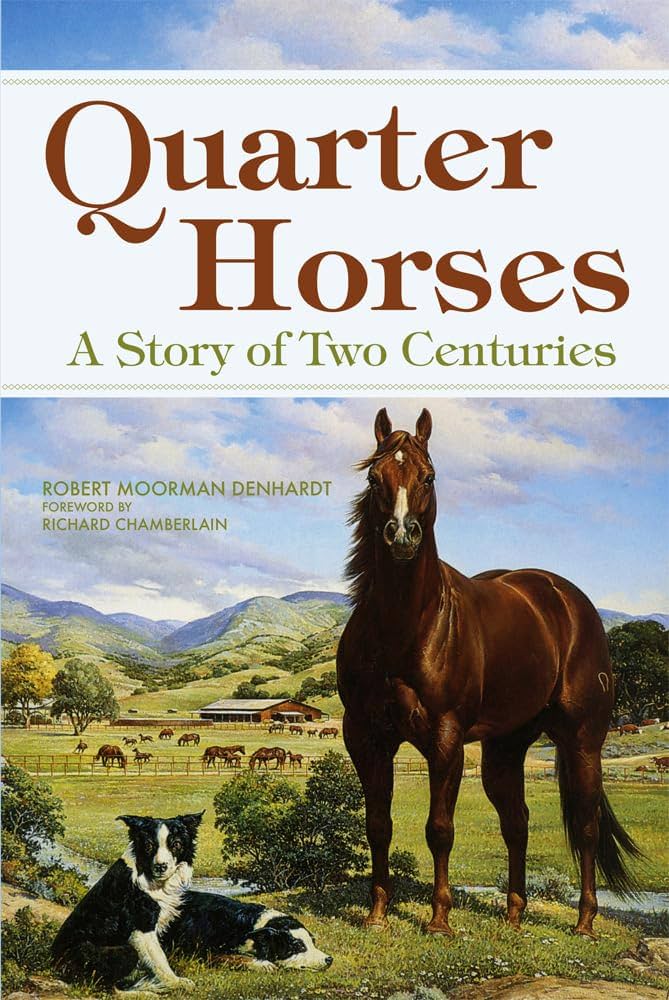
The story of the Quarter Horse is a captivating journey through American history, weaving together threads of grit, speed, and unwavering loyalty. More than just a breed, these horses represent a spirit of resilience and adaptability that has mirrored the growth of the nation itself. From the earliest colonial settlements to the vast ranches of the West, the Quarter Horse has been an indispensable partner, a testament to the enduring bond between humans and animals. Their legacy is etched not just in the annals of equestrianism, but in the very fabric of American culture, embodying a spirit of freedom and hard work.
The Genesis: From Colonial Farms to Frontier Spirit
The roots of the American Quarter Horse trace back to the 17th century, a time when English Thoroughbreds were first introduced to the North American colonies. These imported horses, known for their speed over short distances, were crossed with the native horses of the colonists, many of which descended from Spanish stock. The resulting horses possessed a unique combination of stamina, intelligence, and, most notably, explosive acceleration over a quarter mile – hence the breed’s name. These early “quarter running horses” were not just racers; they were versatile all-around performers. They worked the fields, carried settlers across rugged terrain, and served as reliable mounts for colonial militias. Their compact, muscular build, coupled with a calm temperament, made them ideally suited for the demanding life on the frontier.
The Horse of the West: Ranching and Rodeo
As westward expansion accelerated in the 19th century, the Quarter Horse truly found its calling. The vast ranches of Texas, Oklahoma, and the surrounding territories required a horse that could handle long days of herding cattle, navigate challenging landscapes, and possess the agility to turn and stop on a dime. The Quarter Horse’s distinctive “cow sense” – an almost intuitive ability to anticipate a cow’s movements – made them unparalleled in the cattle industry. They became the quintessential ranch horse, the trusted companion of cowboys, indispensable for gathering, roping, and driving herds across immense distances.
This partnership extended into the burgeoning sport of rodeo. The agility and speed that made Quarter Horses so effective on the ranch also translated into thrilling performances in events like steer roping, calf roping, and barrel racing. The breed’s ability to explode from a standstill, make sharp, controlled turns, and stop quickly became legendary, captivating audiences and cementing the Quarter Horse’s image as the ultimate Western equine athlete.
Characteristics of the Modern Quarter Horse
Today’s American Quarter Horse retains the core traits that made its ancestors so successful, while also being selectively bred for specific disciplines and refined aesthetics. Key characteristics include:
- Build: Known for their compact, muscular bodies, with a broad chest and hindquarters, providing power and agility. They typically stand between 14.2 and 16 hands high.
- Temperament: Generally possessing a calm, willing, and intelligent disposition, making them suitable for riders of all levels, from beginners to seasoned professionals.
- Speed and Agility: Their ability to accelerate rapidly and make quick, precise movements is unparalleled, particularly over short distances.
- Versatility: While excelling in Western disciplines, Quarter Horses are also successfully ridden in English disciplines, used for trail riding, and make wonderful family companions.
The breed registry, the American Quarter Horse Association (AQHA), meticulously documents bloodlines and performance records, ensuring the breed’s consistent quality and its adherence to original standards.
The Quarter Horse in Popular Culture and Beyond
The image of the Quarter Horse is deeply ingrained in American popular culture. They are the horses seen galloping across plains in classic Western films, the steeds that embody the cowboy spirit, and the loyal companions featured in countless stories and artworks. Their presence evokes a sense of nostalgia for the frontier era and celebrates the enduring values of hard work and self-reliance.
Beyond their historical and cultural significance, Quarter Horses continue to be a dominant force in equestrian sports worldwide. They compete and excel in a wide array of disciplines, including:
- Western Pleasure: Showcasing smooth gaits and a calm demeanor.
- Reining: Demonstrating intricate maneuvers like spins, sliding stops, and lead changes.
- Cutting: The ultimate test of a horse’s cow sense, where they isolate a single calf from the herd.
- Barrel Racing: A timed event demanding speed, agility, and precise turns.
- Roping events: Requiring speed, accuracy, and teamwork.
The breed’s adaptability means they also find success in English riding disciplines, trail riding, and as therapy animals, further underscoring their remarkable versatility.
Preserving the Legacy: The Future of the Quarter Horse
The story of the Quarter Horse is far from over. Dedicated breeders, trainers, and enthusiasts worldwide are committed to preserving the breed’s rich heritage while embracing advancements in equine science and training. The focus remains on maintaining the horse’s inherent athleticism, sound temperament, and versatility.
For anyone drawn to the spirit of the American West, the Quarter Horse offers a tangible connection to that legacy. Whether on the ranch, in the arena, or on a quiet trail, these horses continue to embody the strength, loyalty, and free spirit that have defined them for centuries. Their ongoing narrative is a testament to their enduring appeal and their irreplaceable place in the heart of equestrianism and American history. The journey from a colonial crossbreed to a global phenomenon is a remarkable tale, and the Quarter Horse continues to write new chapters, inspiring admiration and partnership with every stride.
