
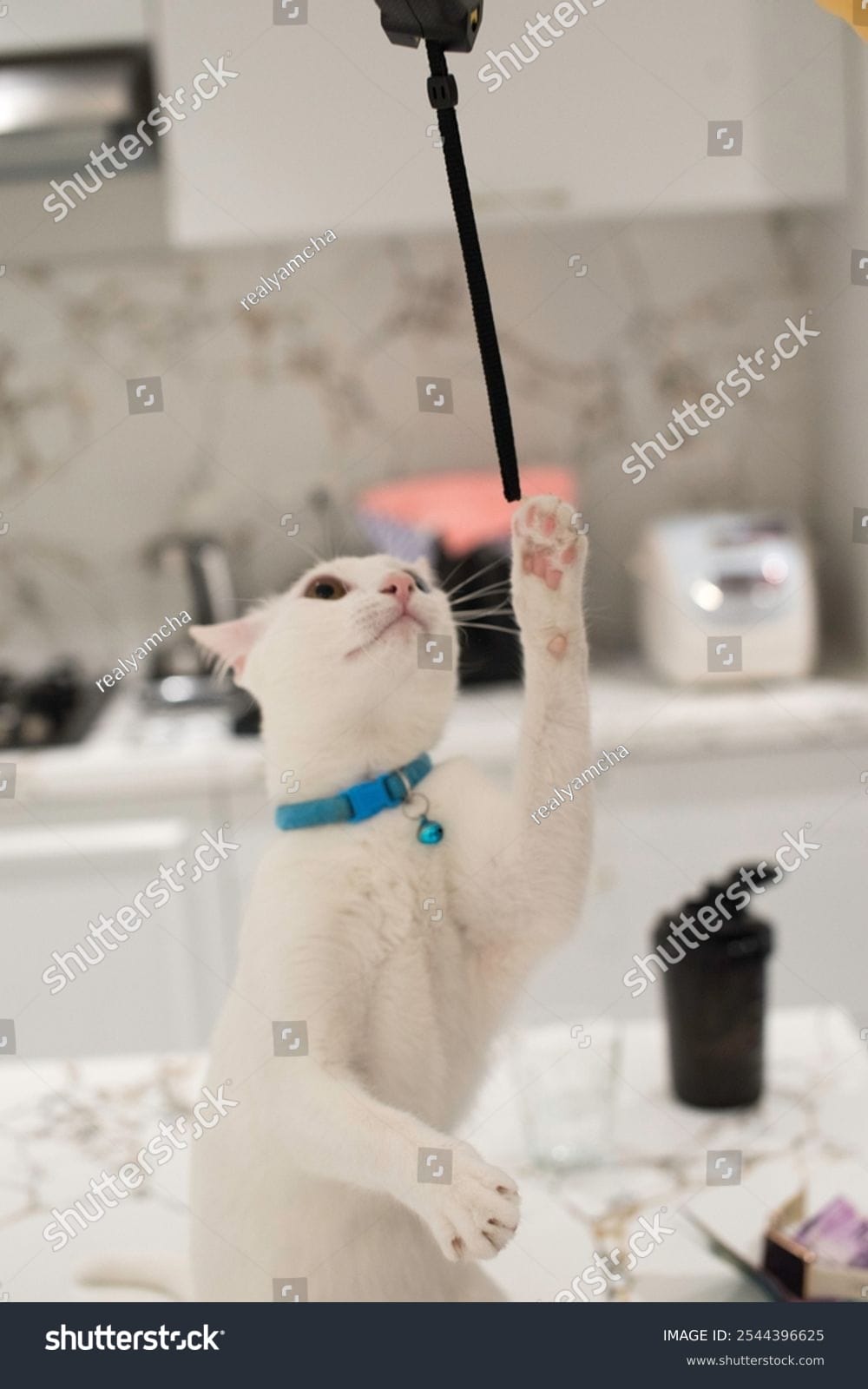
The term “Puspin,” short for “Pusang Pinoy” (Filipino Cat), now affectionately refers to the native cat breed of the Philippines. Previously known by the less favorable “Pusakal” (street cat), this change reflects the dedication of Filipino animal rights advocates to reframe the perception of these cherished feline companions. Increasingly, Puspins are becoming the cats of choice for many seeking a loyal and loving pet. Let’s delve into what makes this unique breed so special.
Puspins are cats of unknown specific breed, characterized by their short coats that come in a wide array of color combinations. They are also commonly referred to as Domestic Short Hair (DSH), Shorthair Household Pet, or endearingly, a moggy. A distinctive feature found in many Asian Domestic Short Haired cats, including those in Malaysia, Thailand, Cambodia, Singapore, and Indonesia, is a tail that can be of regular length, shortened, ‘stumpy,’ or kinked, a trait attributed to their genetic makeup. Cali, a nine-month-old puspin kitten belonging to the author, is a rare calico male with heterochromia, possessing one green and one blue eye.
Historical Background of the Puspin
Research suggests that cats like Puspins share a genetic connection with the Japanese Bobtail breed, renowned for its characteristic short tail. This breed is believed to have arrived in Japan approximately 1,000 years ago, originating from either China or Korea. It is theorized that the Bobtail breed crossbred with Puspins overseas, and the Puspins subsequently returned to their homeland, integrating this new genetic trait. Apart from this link to the Bobtail, there is limited evidence tracing Puspins to any other specific breed due to their mixed genetics, which likely result from thousands of years of crossbreeding.
The Puspin Character
Puspin cats are widely recognized for their sociable and adaptable nature. They are gregarious animals that form strong bonds with their human families, often displaying sweet personalities and enjoying cuddles, petting, and interactive play. However, like all felines, each Puspin possesses its own unique personality traits. Little Prince, Cali’s brother, exemplifies this individuality.
While not typically noted for the exceptional intellect seen in some pedigreed breeds, Puspin cats are reasonably intelligent and can be trained. With patience and positive reinforcement, they can learn simple commands and engage in interactive games that stimulate their minds. Puspins are also highly social creatures with a strong sense of community, forming close ties not only with people but also with other cats. They adapt well to multi-cat households and often thrive on the companionship of feline friends. Their history of roaming diverse neighborhoods for millennia has instilled in them a sense of street smartness, and their behavior towards strangers is often shaped by their early life experiences.
Health and Lifespan of Puspins
Due to their genetic diversity, Puspins, like other mixed-breed animals, may experience fewer inherited health problems. This phenomenon, known as “hybrid vigor,” arises from their varied gene pools. When a cat’s genetic makeup is composed of two or more distinct genetic sets, recessive genes that might carry health concerns are more effectively weeded out. This can lead to improved overall health, potentially fewer veterinary visits, and a longer lifespan for your pet. In essence, Puspins benefit from a more robust gene pool where genetic gaps are filled and weaknesses are fortified, a contrast to the more streamlined genetics of purebred cats. This lovely blue-eyed girl is the sister of Cali and Prince. Puspins generally have a life expectancy of 13 to 20 years.
For those ready to embrace the responsibilities of pet ownership, consider welcoming a Puspin into your family.
About the Author: Mariana Burgos is a freelance artist and a solo parent of 16 years. A devoted animal lover, she actively advocates for both human and animal rights alongside her daughter.
This article also appears in the Manila Standard.
