
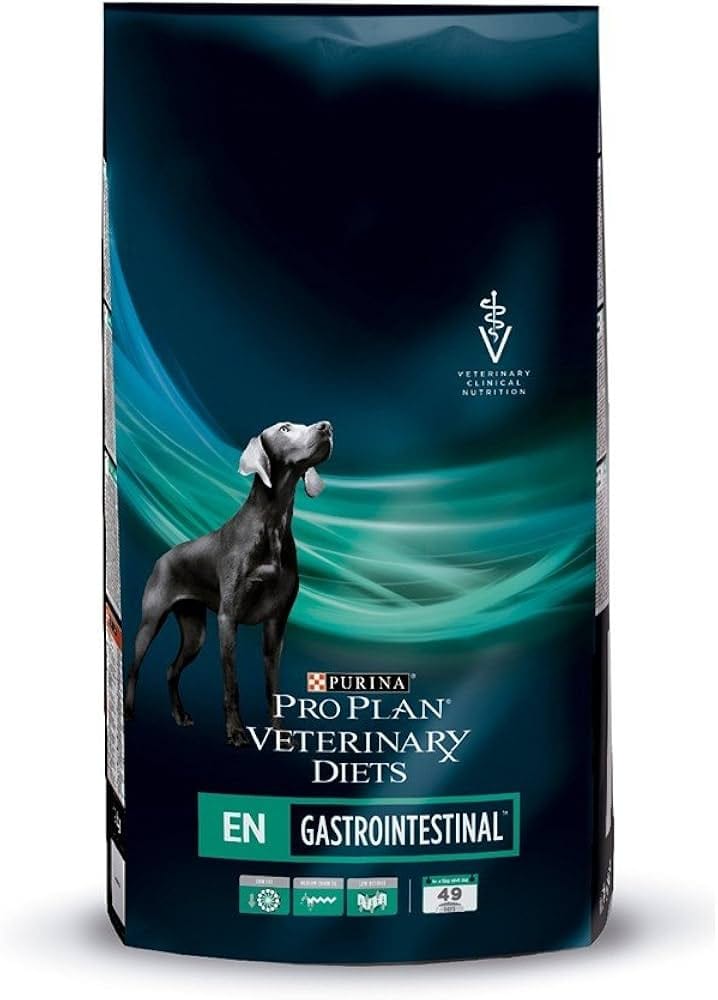
Dealing with your dog’s digestive problems can be challenging, impacting their overall well-being and happiness. Understanding the root causes and implementing the right management strategies is crucial for their recovery and long-term health. This guide delves into common canine digestive issues, with a particular focus on the role of low-fat diets in managing conditions like pancreatitis, exocrine pancreatic insufficiency, and chronic enteropathies. By providing appropriate care and a tailored diet, you can help your beloved companion regain their digestive health and enjoy a better quality of life.
Recognizing the Signs of Digestive Distress in Dogs
Digestive issues in dogs can manifest in various ways, often leading to discomfort and potential health complications if left unaddressed. It’s essential for pet owners to be aware of the common symptoms that indicate a problem with their dog’s gastrointestinal system.
- Vomiting: Frequent or persistent vomiting is a clear sign that something is amiss. This can range from occasional regurgitation to forceful expulsion of stomach contents.
- Diarrhea: Loose, watery stools, or an increased frequency of bowel movements, are common indicators of digestive upset. In severe cases, diarrhea may contain blood or mucus.
- Lethargy and Weakness: A dog experiencing digestive discomfort may exhibit a lack of energy, reduced interest in play, and a general sense of weakness.
- Loss of Appetite: If your dog is suddenly not interested in their food, it could be a sign of nausea or pain associated with their digestive system.
- Weight Loss: Unexplained weight loss, especially when accompanied by other symptoms, can indicate a significant underlying digestive disorder that is preventing proper nutrient absorption.
- Abdominal Pain: Dogs may show signs of abdominal pain, such as a hunched posture, yelping when touched, or reluctance to be petted around the belly.
- Bloating and Gas: Excessive gas or a visibly distended abdomen can point to issues with digestion and fermentation in the gut.
If you observe any of these symptoms in your dog, it is vital to consult a veterinarian promptly. Early diagnosis and intervention can significantly improve the outcome and prevent the condition from worsening. The veterinarian will perform a thorough examination, which may include diagnostic tests, to determine the specific cause of your dog’s digestive issues.
Common Canine Digestive Disorders and Their Management
Several gastrointestinal conditions can affect dogs, each requiring a specific approach to management. Low-fat diets play a pivotal role in managing several of these, helping to reduce the strain on the digestive system and promote healing.
Pancreatitis
Pancreatitis is a serious condition characterized by inflammation of the pancreas. The pancreas produces digestive enzymes and hormones like insulin. When inflamed, these enzymes can leak into the digestive tract and surrounding tissues, causing pain and damage.
- Causes: While the exact cause is often unknown, contributing factors can include high-fat meals, certain medications, abdominal trauma, and underlying metabolic diseases.
- Symptoms: Vomiting, diarrhea, abdominal pain, lethargy, and loss of appetite are common.
- Management: The cornerstone of pancreatitis management is a low-fat diet. This reduces the stimulation of the pancreas and allows it to rest and heal. Vets often recommend prescription diets that are specifically formulated to be low in fat and easily digestible. what can i feed my dog when out of food can be a crucial part of recovery, ensuring the dog receives adequate nutrition without exacerbating the condition. Fluid therapy and pain management are also essential components of treatment.
Exocrine Pancreatic Insufficiency (EPI)
EPI occurs when the pancreas does not produce enough digestive enzymes to properly break down food. This leads to maldigestion and malabsorption of nutrients.
- Symptoms: Chronic diarrhea, greasy and foul-smelling stools (steatorrhea), weight loss despite a good appetite, and a dull coat are hallmark signs of EPI.
- Management: Treatment for EPI involves lifelong supplementation with pancreatic enzymes, typically mixed with the dog’s food. A highly digestible, moderate-fat diet is usually recommended. While not strictly a low-fat condition, avoiding high-fat meals is important to prevent further digestive upset. The goal is to provide nutrients in a form that the dog’s system can absorb, thereby improving their condition and weight.
Chronic Enteropathies (CE)
Chronic enteropathies encompass a group of conditions characterized by long-term gastrointestinal inflammation that does not have an identifiable secondary cause (like parasites, cancer, or infections). These can include food-responsive diarrhea, antibiotic-responsive diarrhea, and steroid-responsive diarrhea.
- Symptoms: Persistent vomiting and diarrhea, weight loss, and changes in appetite are common.
- Management: Managing CE often involves a multi-faceted approach:
- Dietary Modification: This is frequently the first line of treatment. Novel protein diets (using ingredients the dog hasn’t been exposed to before) or hydrolyzed protein diets (where proteins are broken down into smaller, less allergenic components) are often used to identify and eliminate potential food sensitivities. In many cases, a low-fat, highly digestible diet can significantly improve symptoms by reducing the inflammatory load on the gut.
- Medications: Depending on the type of CE, medications such as antibiotics, probiotics, or anti-inflammatory drugs (like steroids) may be prescribed.
For any of these conditions, consulting with a veterinarian is paramount. They can accurately diagnose the issue and recommend the most appropriate treatment plan, including specific dietary recommendations and prescription foods.
The Role of Low-Fat Diets in Digestive Health
A low-fat diet can be a critical therapeutic tool for dogs suffering from various gastrointestinal ailments. Fats are the most energy-dense nutrient and require significant digestive effort. When a dog’s digestive system is compromised, reducing dietary fat can alleviate the workload and promote healing.
- Ease of Digestion: Low-fat foods are generally easier for a dog’s system to process, reducing the risk of vomiting and diarrhea. This is particularly important for conditions like pancreatitis, where fat can trigger severe inflammation.
- Reduced Pancreatic Stimulation: For dogs with pancreatitis, a low-fat diet minimizes the need for the pancreas to release digestive enzymes, allowing the inflamed organ to recover.
- Nutrient Absorption: In cases of malabsorption due to conditions like EPI or certain types of CE, a carefully formulated diet that is easier to digest can improve the absorption of essential nutrients.
- Weight Management: For dogs who have lost weight due to digestive issues, a balanced, therapeutic diet, even if low in fat, can help them regain a healthy weight by providing necessary calories and nutrients in an easily absorbable form.
When selecting a low-fat diet for your dog, it’s essential to choose a product specifically formulated for digestive support. These diets typically contain:
- Moderate to High Levels of Fiber: Fiber aids in digestive regularity and can help manage diarrhea.
- Highly Digestible Ingredients: Easily digestible proteins and carbohydrates ensure that the nutrients are absorbed efficiently.
- Added Vitamins and Minerals: To compensate for any potential nutrient imbalances or losses due to malabsorption.
- Omega-3 Fatty Acids: These can help manage inflammation in the digestive tract.
It’s crucial to follow your veterinarian’s recommendations regarding the specific type and brand of food. They may recommend prescription diets designed to meet the unique needs of dogs with specific digestive conditions. Avoid feeding table scraps or high-fat treats, as these can easily trigger a relapse or worsen the condition. Ensuring your dog has access to what home foods can dogs eat that are safe and appropriate is also part of a comprehensive care plan, but always under veterinary guidance.
Transitioning Your Dog to a New Diet
Switching your dog to a new food, especially a therapeutic diet, should be done gradually to avoid upsetting their sensitive digestive system. A sudden change can lead to vomiting or diarrhea, defeating the purpose of the diet change.
Recommended Transition Schedule:
- Days 1-2: 75% old food, 25% new food.
- Days 3-4: 50% old food, 50% new food.
- Days 5-6: 25% old food, 75% new food.
- Day 7 onwards: 100% new food.
During this transition period, closely monitor your dog for any signs of digestive upset. If you notice any adverse reactions, slow down the transition process or consult your veterinarian. Consistency in feeding times and ensuring your dog has constant access to fresh water is also vital for maintaining good digestive health. For a dog recovering from digestive issues, understanding what to feed dog out of food can be as important as their regular meals, ensuring they receive appropriate nutrition when not on their standard diet.
Conclusion: Supporting Your Dog’s Digestive Health
Managing canine digestive issues requires patience, careful observation, and a strong partnership with your veterinarian. By understanding the signs of distress, recognizing common disorders, and implementing appropriate dietary changes—particularly low-fat diets when recommended—you can significantly improve your dog’s quality of life. Always prioritize veterinary guidance for diagnosis and treatment, and ensure any diet transitions are made gradually. With the right care and attention, your furry companion can overcome digestive challenges and enjoy a happy, healthy life.
