
Purina stands as one of the oldest and most recognized pet food brands in the United States, offering a diverse selection of dog food formulations designed to meet various needs, including specific health requirements, age groups, dietary sensitivities, and budget considerations for pet owners. This comprehensive review delves into the different Purina product lines, evaluating their quality, ingredient profiles, and overall value.
Purina Pro Plan dog food is generally considered a higher-quality offering within the Purina brand, garnering ratings typically between 4 to 4.5 stars from Dog Food Advisor. These formulas frequently feature real meat as the primary ingredient, complemented by grains, vegetables, and essential vitamins and minerals. The Pro Plan line also includes specialized diets for dogs with sensitive skin, joint issues, or particular dietary needs, making it a favored choice among veterinary professionals. Purina Pro Plan puppy food is specifically formulated to support a puppy’s rapid growth and development, often including high-quality protein, DHA for cognitive and visual development, and essential minerals for strong bones.
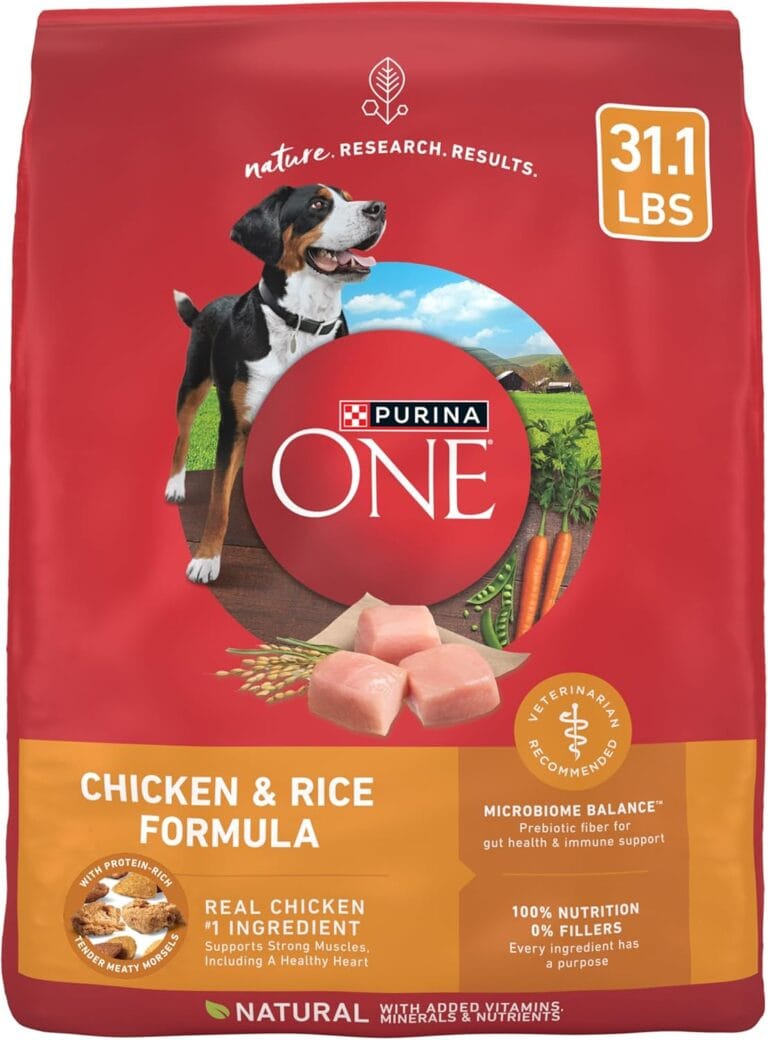
Purina ONE dog food represents a mid-tier option, providing a better quality of ingredients than Purina’s more budget-friendly lines while remaining accessible in price. The wet food range in the Purina ONE line receives a strong 4.5-star rating from Dog Food Advisor’s research team, which includes pet nutritionists and veterinarians. The dry food variant of Purina ONE is rated at 3.5 stars. Purina ONE SmartBlend Healthy Puppy features real chicken as the first ingredient and includes DHA for brain and eye development, alongside a balanced blend of vitamins and minerals crucial for a puppy’s overall growth.
At the more affordable end of the spectrum is Purina Dog Chow, a long-standing and highly recognizable brand. However, its ingredient list often includes controversial components like meat by-products and corn, resulting in a lower rating of 1.5 stars. Similarly, Purina Puppy Chow contains a significant protein percentage for growth and DHA, but also incorporates ingredients like corn and by-products, impacting its overall quality assessment.
Is Purina a Good Dog Food? Expert Verdict
Laura Ward, a pet nutritionist at Dog Food Advisor, states that Purina offers a wide array of products catering to diverse priorities, preferences, and budgets, with some products falling at the lower end of the quality scale and others at the higher end. Like many large pet food manufacturers, Purina has encountered controversies over the years, including product recalls and concerns regarding ingredient sourcing and product quality.
In 2024, Purina faced scrutiny from the FDA following reports of dogs becoming ill after consuming certain Purina foods. Extensive testing by the FDA found no direct link between the foods and the reported illnesses. Ward emphasizes that given the vast number of dogs consuming Purina products, occasional illnesses are statistically likely and do not necessarily indicate a causal relationship with the food itself, especially after the FDA investigation concluded there were no issues with Purina food causing dog illness.
A notable controversy occurred in 2015 when a class-action lawsuit alleged that Purina Beneful contained harmful ingredients, leading to illness and death in some dogs. The lawsuit cited the presence of propylene glycol and mycotoxins. Purina maintained the safety of its products, and the case was dismissed in 2016 due to insufficient evidence. This lawsuit nonetheless heightened consumer awareness regarding pet food safety and ingredient transparency.
Purina has since invested in research and development to enhance product nutritional quality and actively participates in industry-wide initiatives aimed at improving pet food safety and ingredient standards. Despite past controversies, Purina remains a globally recognized and trusted brand, attributed to its extensive research, product variety, and commitment to science-based nutrition. For those seeking high-quality options, Purina Pro Plan often stands out.
Purina Dog Food Cost Overview
The cost of Purina dog food varies considerably across its product lines. Purina Dog Chow typically ranges from $0.50 to $1.00 per pound, with a 40-lb bag costing approximately $20-$40. Purina Beneful falls between $1.25 and $2.00 per pound, making a 28-lb bag around $30-$45. Purina ONE is priced between $1.50 and $2.50 per pound, with a 31-lb bag costing roughly $40-$55. The premium Purina Pro Plan line ranges from $2.00 to $3.50 per pound, meaning a 34-lb bag can cost between $60 and $80.
About the Purina Brand
Founded in 1894 as Robinson-Danforth Commission Company, Purina initially focused on animal feed. Rebranded as Ralston Purina in 1902, the company significantly impacted pet nutrition in 1957 with the introduction of Purina Dog Chow, one of the first dry dog foods utilizing extrusion cooking. This innovation made dog food more convenient and shelf-stable, solidifying Purina’s leadership in the U.S. pet food industry. In 2001, Nestlé acquired Ralston Purina, forming Nestlé Purina PetCare, which has since become a global leader in pet food.
Purina Dog Food Recall History
Purina has experienced several product recalls over the years. Interested parties can find a comprehensive list of all dog food recalls since 2009 on the Dog Food Advisor website.
Conclusion
Purina offers a broad spectrum of dog food options, from budget-friendly choices like Dog Chow to premium lines such as Pro Plan. While the brand has faced controversies, its ongoing commitment to research, quality, and scientific nutrition, coupled with specialized formulas like those found in Purina Pro Plan puppy food, continues to make it a popular and trusted choice for many pet owners. When selecting a Purina product, it’s essential to consider your dog’s specific needs, age, and any dietary sensitivities to ensure the best possible nutrition.
