
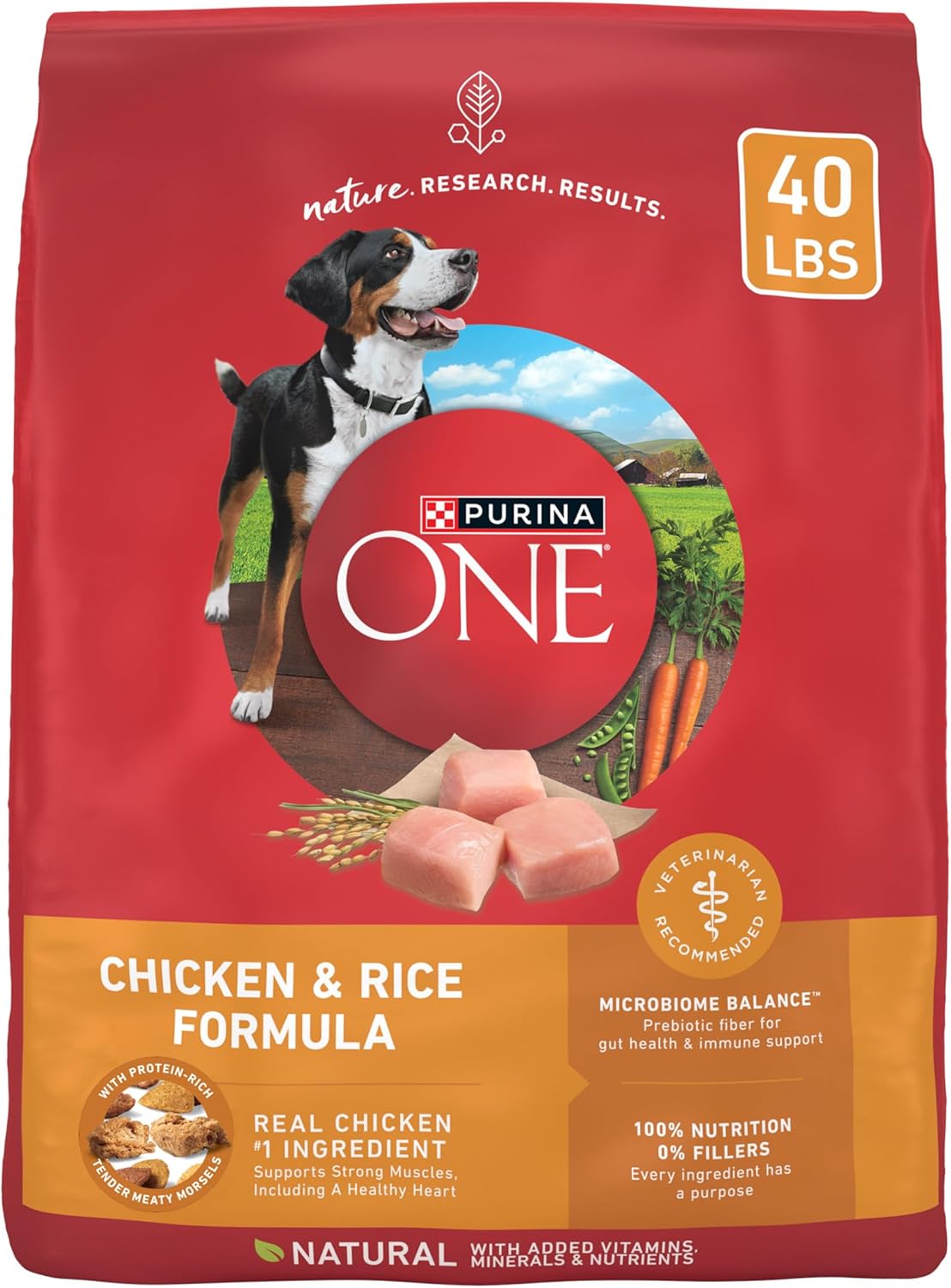
Choosing the right food for your dog is a fundamental aspect of ensuring they lead a long, healthy, and happy life. Purina understands that every dog is unique, with varying nutritional needs based on their size, age, and specific health requirements. This is why they offer an extensive range of dog food, from dry kibble to wet dog food, delectable tasty treats, and specialized care diets. With a commitment to expertise and a whole lot of love, Purina aims to create delicious meals that will keep your dog’s tail wagging with every bite.
The Benefits of Commercial Dog Food
Commercial dog food, like that produced by Purina, is meticulously formulated to provide your pet with the essential nutrients they need to thrive. Experts carefully select high-quality ingredients to create recipes that not only meet but exceed industry standards for optimal nourishment. Choosing Purina means providing your dog with the best chance to flourish, whether you are looking for puppy food, specialized dog food for senior pets, or formulas tailored to specific health conditions and dietary needs. You can delve deeper into Purina’s nutritional philosophy for dog food to understand their commitment to canine well-being.
Preparing Your Dog’s Food: Soaking and Temperature
When it comes to preparing your dog’s meals, a few considerations can enhance their nutritional intake and enjoyment. Soaking your dog’s dry food in water can be particularly beneficial for certain dogs. This practice is an excellent way to ensure your dog stays adequately hydrated, and it can also offer advantages for dogs managing health issues or for senior canines, potentially easing digestion. However, it’s worth noting that dry dog food can also contribute positively to dental health. For a comprehensive comparison of the pros and cons, explore our guide on wet and dry dog food.
Regarding temperature, dog food is best served at room temperature. If you store your pet’s food in the refrigerator, it’s advisable to take it out well before mealtime. This allows the food to reach a more appealing temperature, which enhances its aroma and taste, making it more enticing for your furry friend and encouraging them to finish their meal.
Storing Opened Dog Food
Proper storage of opened dog food is crucial for maintaining its freshness and nutritional value. Open packets or cans of dog food can be safely stored in the refrigerator for up to two days. This ensures the food remains fresh and palatable. Unopened cans and packets, however, can be stored at room temperature, as their seals effectively preserve the food’s quality until they are ready to be used.
Finding the Best Purina Dog Food for Your Pet
The quest for the “best” Purina Dog Food is a personal one, as it entirely depends on your dog’s unique needs and preferences. For instance, dogs with sensitive stomachs might benefit from grain-free dog food, while the dietary requirements of puppy food differ significantly from those of senior dog food. Purina’s extensive range is designed to cater to these diverse needs, offering a variety of recipes and flavors to help you find the perfect match for your canine companion.
Determining the Right Amount of Food for Your Dog
Establishing the correct feeding frequency for your dog is essential for their overall health. Most adult dogs do well with two meals per day, though this can be adjusted based on the individual dog’s routine and preferences. Smaller dogs, typically weighing under 10kg, often have faster metabolisms than their larger counterparts. This can make them more susceptible to issues like low blood sugar levels. In such cases, spreading their nutritional intake across three smaller meals instead of two can help mitigate sugar spikes that might be overwhelming for their smaller bodies.
For larger breeds, often referred to as “gentle giants,” a feeding schedule of three meals a day can also be advantageous for their larger digestive systems. These beloved larger breeds can sometimes experience discomfort from bloating after mealtimes. By providing smaller, more frequent portions of nutrient-rich food, you can help safeguard them against such digestive upsets. This approach also ensures they receive their full daily caloric requirement to thrive and maintain a healthy weight. With each meal thoughtfully tailored to their well-being, your canine companion will undoubtedly continue to flourish.
For those interested in a deeper understanding of the ingredients that go into their dog’s food, as well as a list of foods to avoid, our comprehensive dog food guide offers valuable insights.
