
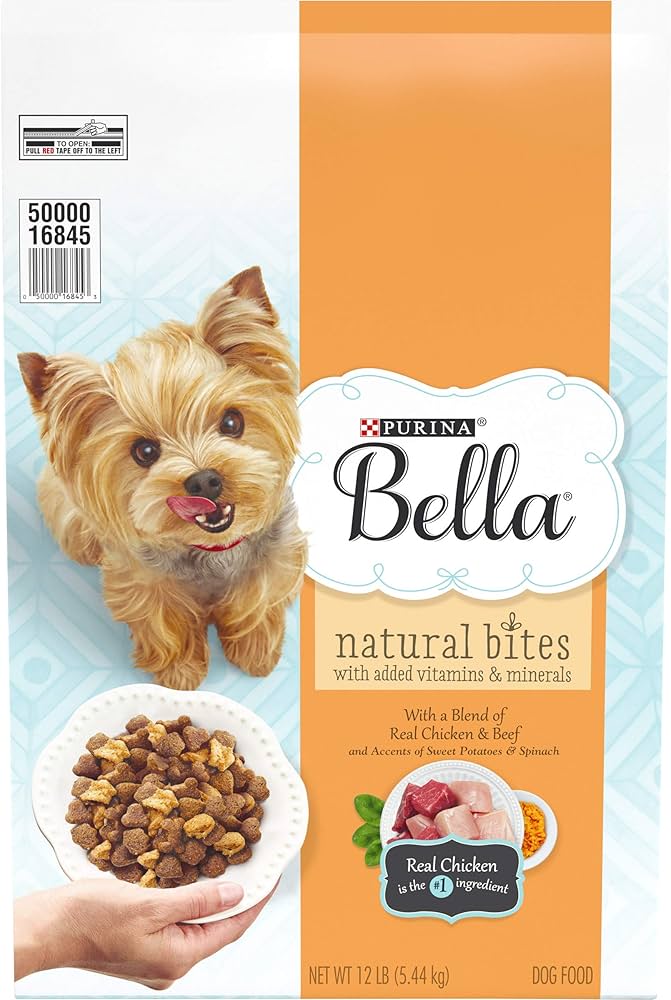
As a dedicated pet owner, ensuring your canine companion receives optimal nutrition is paramount. When exploring the vast market of dog food, Purina Bella Natural Bites emerges as a product line that warrants a closer look. This review delves into the specifics of Purina Bella Natural Bites Dry Dog Food, aiming to provide a comprehensive understanding of its ingredients, nutritional profile, and overall quality.
Understanding Purina Bella Natural Bites
Purina Bella Natural Bites offers a range of dry dog food formulations designed to cater to the needs of dogs. The brand emphasizes a blend of real ingredients, aiming to provide a palatable and nourishing meal for pets. However, a thorough analysis is crucial to ascertain the true value of these claims.
Product Line Overview
The Purina Bella Natural Bites product line includes several dry dog food recipes. Each formula is developed with specific nutrient profiles in mind, often categorized by life stage, such as “Growth” for puppies, “Maintenance” for adult dogs, or “All Life Stages.” For instance, Purina Bella Natural Bites with a Blend of Real Chicken and Beef and Purina Bella Natural Bites with a Blend of Real Chicken and Turkey are two such variations, both generally rated for “Maintenance.”
Ingredient and Label Analysis
A deep dive into the ingredient list is essential for any discerning pet owner. Let’s examine the composition of Purina Bella Natural Bites with a Blend of Real Chicken and Beef, a representative of the line.
Key Ingredients and Their Significance
The primary ingredient listed is chicken. While chicken is a quality protein source, it’s important to note that in its raw form, it contains a high percentage of water. This means that after processing, the actual meat content by weight in the final kibble might be less significant than the initial listing suggests.
Following chicken, we encounter whole grain corn and whole grain wheat. These are cereal grains that provide energy but are considered controversial by some due to their lower nutritional value compared to meat-based ingredients.
Corn gluten meal, listed as the fourth ingredient, is a protein concentrate derived from corn. While it contributes to the overall protein content, its biological value is typically lower than that of animal proteins. Similarly, soybean meal, another plant-based protein source, is also present.
Beef fat is included, which, despite its unappetizing name, can be a quality source of energy and essential fatty acids when properly rendered.
Canola meal, a by-product of canola oil production, is also found in the ingredient list. Concerns sometimes arise regarding its origin, as it can be derived from genetically modified rapeseed.
Chicken by-product meal is another significant ingredient. This consists of rendered, non-rendered, clean parts of the carcass of slaughtered chickens, such as certain parts of the head, feet, and intestines. While these by-products can be nutrient-dense, their quality can vary depending on the manufacturer’s sourcing.
Oatmeal is also present, offering dietary fiber and B-vitamins.
Areas of Concern
Several ingredients warrant closer attention:
- Brewers rice: This is a cereal grain by-product, consisting of small fragments left after milling whole rice. Its nutritional value is considered modest.
- Glycerin: Used as a natural sweetener and humectant, its presence in dog food is a point of discussion.
- Menadione: This is a synthetic form of vitamin K that has been linked to potential adverse health effects, including liver toxicity and allergic reactions. Its inclusion in dog food is often questioned, as natural sources of vitamin K are readily available and generally preferred.
- Sodium selenite: This is a synthetic form of selenium, which some experts consider less nutritionally valuable than naturally occurring selenium found in ingredients like selenium yeast.
- Chelation of Minerals: The minerals listed do not appear to be chelated. Chelated minerals are bound to other molecules, which can enhance their absorption by the dog’s body. Foods featuring chelated minerals are often associated with higher quality.
Nutritional Profile Analysis
Based on a dry matter basis, Purina Bella Natural Bites typically exhibits a protein content around 30%, fat around 18%, and carbohydrates approximately 45%. When compared to the average dry dog food, this suggests above-average protein and fat levels, and below-average carbohydrate content. However, considering the presence of significant plant-based protein boosters like corn gluten meal and soybean meal listed before the chicken by-product meal, the actual meat content might be more modest than initially perceived. The fat-to-protein ratio is generally around 60%.
Expert Rating and Recommendation
Purina Bella Natural Bites Dry Dog Food receives a rating of 2.5 out of 5 stars, placing it in the “Somewhat Recommended” category. This rating reflects a below-average standing, primarily due to the ingredient composition, which includes a notable amount of grain and plant-based protein sources, alongside potentially controversial additives like menadione and sodium selenite. While it provides essential nutrients for adult dogs, it may not be the optimal choice for owners seeking a meat-first, high-quality formulation.
Recalls and Brand Information
As of the last update, there have been no widely publicized recalls specifically linked to the Purina Bella Natural Bites product line. However, it is always advisable for pet owners to stay informed about any potential recalls. Purina, as a brand, has a long history in the pet food industry, and DogFoodAdvisor.com provides reviews for numerous other Purina products, offering further comparison for consumers.
Conclusion
Purina Bella Natural Bites Dry Dog Food offers a budget-friendly option that provides basic nutrition for adult dogs. However, the ingredient list, featuring several grain-based components and processed by-products, alongside controversial additives, leads to a less-than-ideal nutritional profile. For owners prioritizing a meat-rich diet with minimal controversial ingredients, exploring other options might be more suitable. Always consult with your veterinarian to determine the best diet for your individual dog’s needs.
