
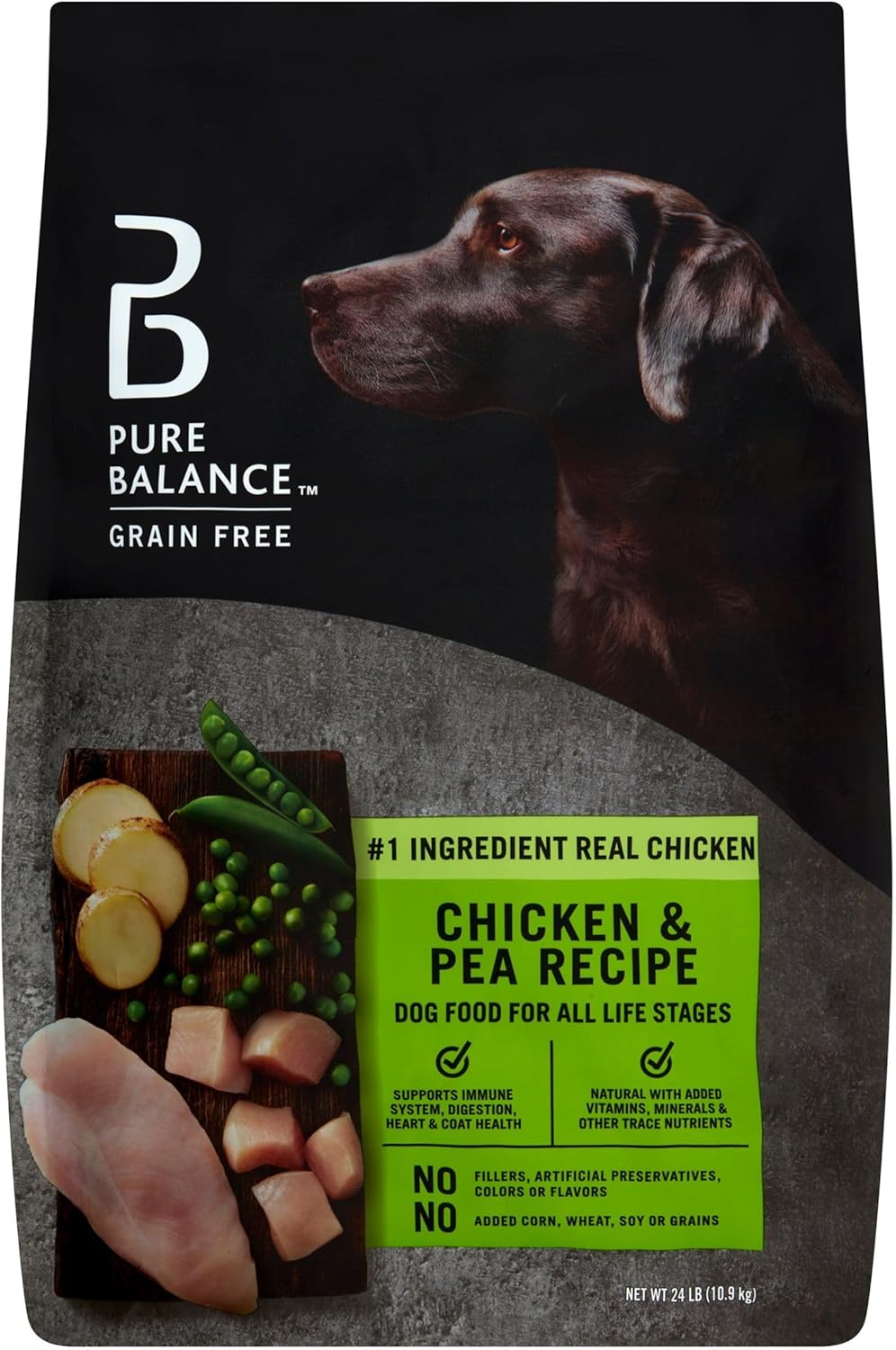
As a dedicated pet owner, understanding the nutritional content and overall quality of your dog’s food is paramount to their health and well-being. Pure Balance offers a range of dry dog food options, aiming to provide balanced nutrition for your canine companions. This review delves into the specifics of Pure Balance’s dry formulas, examining their ingredients, nutritional analysis, and recall history to help you make an informed decision.
Pure Balance dry dog food is generally well-regarded, with its product range earning an average of 4.5 stars. The brand utilizes a grain-inclusive approach, with named meat meals as the primary source of animal protein. This focus on quality ingredients positions Pure Balance as a strong contender in the competitive dog food market.
Click here to see our Best Dog Food lists
Recipe and Label Analysis
To provide a detailed assessment, this review focuses on “Pure Balance Chicken and Brown Rice” as a representative of the brand’s dry recipes.
The estimated dry matter nutrient content for this formula includes:
- Protein: 30%
- Fat: 16.7%
- Carbohydrates: 45.3%
This analysis indicates a protein content that is slightly above average for dry dog foods, with a moderate fat level and a significant carbohydrate percentage.
Ingredients Breakdown
The ingredient list for Pure Balance Chicken and Brown Rice begins with chicken, a quality protein source. However, it’s important to note that fresh chicken contains a high percentage of water, which is reduced during the cooking process. Following chicken is chicken meal, a concentrated source of protein derived from chicken.
Brown rice is included as a source of complex carbohydrates, offering a digestible energy source. Dried peas and pea protein are also present, contributing both carbohydrates and protein. While peas offer nutritional benefits, their protein content is a factor to consider when evaluating the overall meat content of the food.
Chicken fat is utilized as a source of essential fatty acids, particularly linoleic acid (an omega-6 fatty acid). Despite its unappetizing name, chicken fat is considered a quality ingredient. Brewers rice, a by-product of rice milling, provides additional calories but offers limited nutritional value.
Other notable ingredients include flaxseed, a good source of omega-3 fatty acids when ground, and sunflower oil, which provides fatty acids but lacks omega-3s. The inclusion of dried egg product offers a highly digestible protein source, and chelated minerals enhance nutrient absorption. However, the presence of sodium selenite, a synthetic form of selenium, is a point of concern compared to more natural sources like selenium yeast.
Nutrient Analysis
When comparing Pure Balance Chicken and Brown Rice to other dry dog foods, its nutrient profile stands out. The estimated protein content of 30% and fat content of 17% are in line with the brand’s average. The carbohydrate content of approximately 45% is also comparable to the overall product line. The fat-to-protein ratio is around 60%.
Considering the protein-boosting effect of ingredients like dried peas and flaxseed, this kibble appears to contain a substantial amount of meat, contributing to its overall nutritional value.
Pure Balance Dog Food Recall History
As of January 2026, there have been no recalls noted for Pure Balance dry dog food products. This absence of recalls indicates a commitment to product safety and quality control by the brand.
Our Rating of Pure Balance Dog Food
Pure Balance earns a “Highly Recommended” rating with 4.5 out of 5 stars. This rating is based on its use of a grain-inclusive formula and the prominence of named meat meals as the primary animal protein source.
A Final Word
The Dog Food Advisor operates independently and does not accept incentives for its reviews. Referral fees may be earned from online retailers when readers click through from their site, supporting the operation of this blog. For more details, please refer to their Disclaimer and Disclosure page. When choosing a dog food, always consider your dog’s individual needs and consult with your veterinarian.
