
Tapeworms are a common concern for dog owners, affecting both puppies and adult dogs. While often distressing to discover, understanding their causes, symptoms, and effective prevention strategies can help keep your canine companion healthy. This guide provides comprehensive information on tapeworms in dogs, drawing from veterinary expertise to offer practical advice.
What Are Tapeworms in Dogs?
Tapeworms are intestinal parasites that dogs can contract by ingesting an infected flea, rodent, or other wildlife carrying tapeworm larvae or eggs. The presence of tapeworms can manifest in various ways, from visible segments in stool to more subtle signs. If you notice what appear to be rice-like seeds or dried segments in your dog’s fur, or wiggly white worms in their feces, it’s a strong indication of a tapeworm infection. While discovering these parasites can be unsettling, tapeworms in dogs are typically not a cause for immediate emergency.
Types of Tapeworms in Dogs
Several types of tapeworms can infect dogs, each with a different mode of transmission:
- Dipylidium caninum: This is the most prevalent type. Dogs typically contract it by grooming themselves and accidentally ingesting infected fleas or lice.
- Taenia: The second most common, these tapeworms are usually acquired when dogs eat infected rabbits or other prey.
- Echinococcus: Less common, this type is transmitted when dogs consume infected rodents.
Symptoms of Tapeworms in Dogs
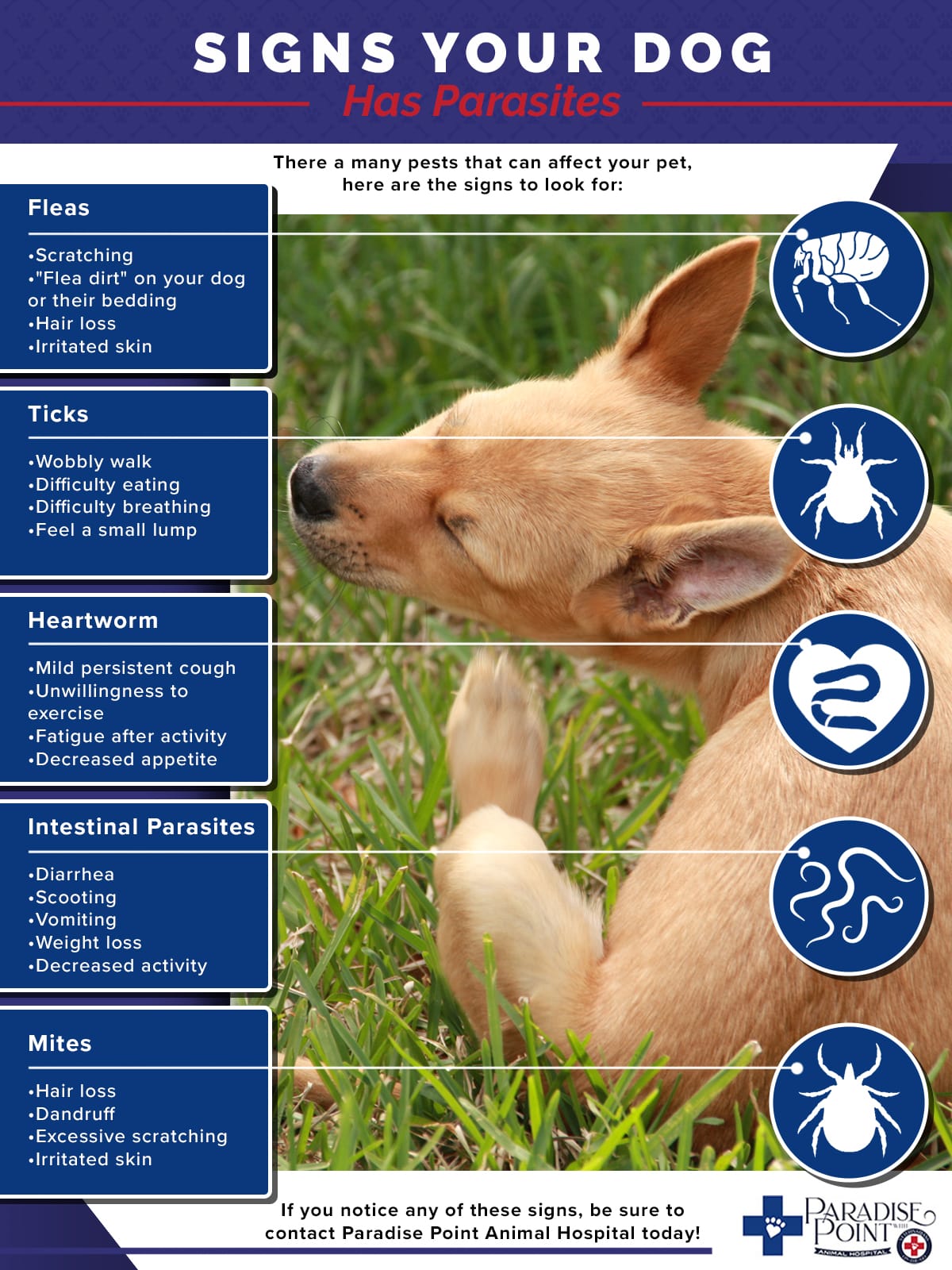
Many dogs show no outward signs of illness when infected with tapeworms. However, when symptoms do appear, they can include:
- Scooting: Your dog may drag their rear end along the ground.
- Excessive licking or biting: The tail area may be a target for your dog’s attention.
- Visible segments: You might observe rice-like segments in your dog’s stool or dried segments stuck to their fur near the anus.
In rare cases, heavily infected dogs may experience intestinal blockages, unintended weight loss, or even vomit entire tapeworms. If you suspect your dog has tapeworms, it is crucial to consult your veterinarian. Early detection and treatment are key to managing parasitic infections.
Causes of Tapeworms in Dogs
Fleas are the primary culprits behind tapeworm infections in dogs, making tapeworms a widespread issue wherever fleas are present. Dogs of any age or breed are susceptible, but those with higher exposure to fleas, outdoor lifestyles, or hunting behaviors are at increased risk. Year-round flea medication is the most effective preventative measure.
The infection cycle begins when a dog ingests an infected flea during self-grooming. The immature tapeworm within the flea matures in the dog’s digestive tract, eventually shedding segments containing eggs. These segments are then passed in the feces, continuing the life cycle. Transmission can also occur through the ingestion of infected rodents or other wildlife.
How Veterinarians Diagnose Tapeworms in Dogs
Diagnosing tapeworms often involves a veterinarian examining a stool sample. While tapeworm eggs can sometimes be identified under a microscope, their absence in a sample doesn’t rule out infection, as eggs are not always consistently shed. Your vet may perform fecal flotation tests or fecal antigen tests to accurately identify the parasite. They will also check for other potential worm infections, as co-infections are common.
Treatment of Tapeworms in Dogs
The most common tapeworm in dogs, Dipylidium caninum, is effectively treated with praziquantel, an antiparasitic medication available through veterinary prescription or over-the-counter. In some cases, veterinarians may prescribe other dewormers like fenbendazole or epsiprantel, depending on the specific tapeworm type diagnosed. Praziquantel is highly effective in eliminating tapeworms.
Recovery and Management of Tapeworms in Dogs
Dogs typically recover quickly from tapeworm treatment. However, successful management requires a dual approach: deworming medication and consistent flea control. Without diligent flea prevention, reinfection is highly likely. Prompt removal of your dog’s stool from your environment is also essential to prevent the spread of tapeworm eggs.
Prevention of Tapeworms in Dogs
Preventing tapeworm infections in dogs relies on a few key strategies:
- Year-Round Flea Prevention: Administering a veterinarian-recommended flea preventative consistently is the most critical step. Consult your vet to find the best formulation (tablet, chew, or topical) for your pet’s individual needs.
- Comprehensive Parasite Preventatives: Some monthly preventatives offer broader protection, including praziquantel to combat tapeworms. Discuss these options with your vet.
- Limit Wildlife Ingestion: Supervised outdoor time, leash walking, and secure fencing can prevent your dog from consuming infected rodents or other wildlife.
Tapeworms in Dogs FAQs
How do I get rid of tapeworms in my dog?
The primary treatment for tapeworms is a dewormer like praziquantel. Always consult your veterinarian to determine the most appropriate medication and administration method for your dog.
Can tapeworms be passed from a dog to a human?
While the most common tapeworm (Dipylidium caninum) is not typically passed directly from dogs to humans, accidental ingestion of an infected flea could lead to human infection. Strict hygiene and parasite control in pets are important.
Do I need to clean my house if my dog has tapeworms?
Yes, thorough cleaning is essential to prevent reinfection and eliminate tapeworm eggs and fleas. This includes washing all pet bedding, promptly cleaning up stool, vacuuming carpets and furniture, and potentially steam cleaning. Ensuring all pets in the household are on flea preventative is crucial. If you’re looking for effective treatments, consider options for non-toxic flea and tick treatment for dogs.
References
- Companion Animal Parasite Council. Dipylidium caninum. Updated November 22, 2022.
- Companion Animal Parasite Council. Echinococcus spp. Updated September 13, 2022.
- Little, S., Braff, J., Duncan, K., et al. Diagnosis of canine intestinal parasites: Improved detection of Dipylidium caninum infection through coproantigen testing. Veterinary Parasitology. 2023;324: 110073.
- Companion Animal Parasite Council. Taenia spp. Updated September 12, 2022.
