
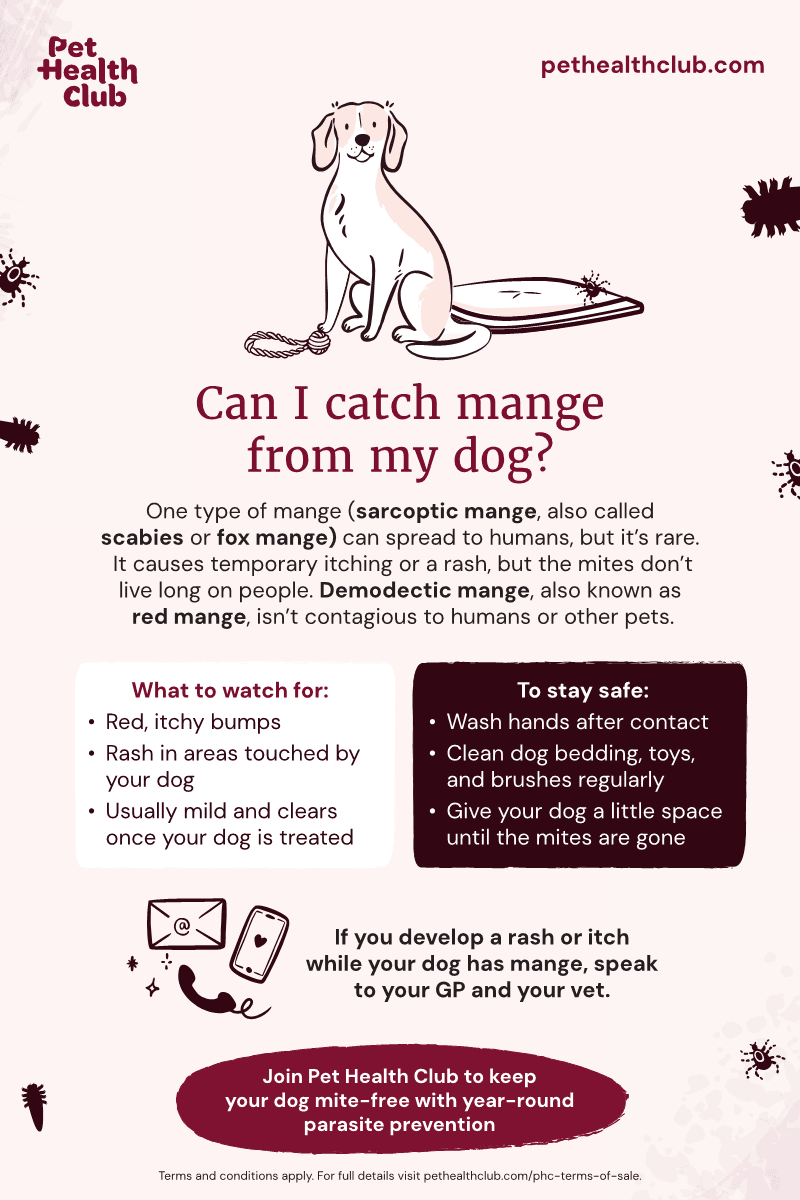
Mange is a distressing skin condition in dogs, primarily caused by microscopic mites that infest hair follicles. These unwelcome guests, specifically Sarcoptes and Demodex mites, can lead to intense itching and significant discomfort for affected canines. In some instances, these mange infections can be transmitted between dogs, and even to cats or humans. It’s important to note that not all mite infestations result in mange; for example, ear mites typically cause ear infections rather than mange itself. This article delves into the types of mange, their symptoms, how dogs contract them, veterinary diagnosis, treatment, and prevention strategies.
Types of Mange in Dogs
There are two primary types of mange that affect dogs:
- Sarcoptic Mange: Commonly known as scabies, this highly contagious form is caused by Sarcoptes scabiei mites. These mites burrow into the superficial layers of the skin, causing intense itching.
- Demodectic Mange: Caused by Demodex mites, this type is generally not contagious between dogs or to humans. Demodex mites are a normal part of a dog’s skin flora. Mange develops when the mite population overgrows, often due to a weakened immune system in the dog.
Symptoms of Mange in Dogs
The manifestation of mange in dogs can vary, but common symptoms include:
- Intense Itching: This is often the most prominent symptom, leading to self-inflicted wounds (excoriations) from constant scratching.
- Skin Lesions: Raised bumps (papules), particularly on the chest, are common.
- Thickened, Crusted Skin: This often appears on the ear flap edges, ankles, armpits, and elbows.
- Secondary Skin Infections: The compromised skin barrier makes dogs susceptible to bacterial infections.
- Hair Loss: Patchy or widespread alopecia can occur due to the mite infestation and scratching.
- Redness and Inflammation: The affected skin areas become irritated and inflamed.
In puppies, mange symptoms are similar to those in adult dogs, and prompt veterinary attention is crucial. [If you suspect your dog has mange, it’s essential to consult a veterinarian immediately for accurate diagnosis and treatment.]
How Dogs Contract Mange
Sarcoptic Mange is typically transmitted through direct contact with an infected dog. This can easily happen in environments where many dogs congregate, such as shelters, boarding kennels, or dog parks. The Sarcoptes mite requires a host to survive and does not live long in the environment. While not solely due to poor hygiene, a compromised immune system or neglect can exacerbate the condition. These mites are attracted to the natural oils on a dog’s skin.
Demodectic Mange, on the other hand, is usually passed from mother to puppy during the early stages of life. In healthy adult dogs, the dog’s immune system keeps Demodex mite populations in check. Mange occurs when this immune surveillance fails, allowing the mites to proliferate within hair follicles.
Veterinary Diagnosis of Mange
Diagnosing mange involves a thorough examination by a veterinarian. Common diagnostic methods include:
- Physical Examination: A visual inspection of the dog’s skin and coat.
- Skin Scrape Test: This is the most common method, where the veterinarian uses a blade to gently scrape the skin’s surface. The collected skin cells and debris are then examined under a microscope for the presence of mites.
- Hair Plucking: Hair samples may be plucked to look for mites within the hair follicles. This can also help rule out other skin conditions.
- Cytology: Studying cells to understand their function and structure, which can help identify secondary infections.
- Skin Biopsy: In severe or unusual cases, a small skin sample may be taken for microscopic analysis.
- Fecal Test and PCR Test: These may be used in certain diagnostic approaches.
Dog Mange Treatment
Treatment for mange is specific to the type of mite and the severity of the infection. It typically involves:
- Topical Medications: Applied directly to the skin.
- Medicated Shampoos: Special shampoos containing antiparasitic agents help cleanse the skin and kill mites. [Proper shampoos can be crucial for managing skin health.]
- Antiparasitic Medications: Oral or injectable medications are often prescribed to eliminate the mites.
- Antibiotics: If secondary bacterial skin infections have developed due to scratching, antibiotics will be necessary to treat them.
- Supportive Care: In some cases, a cone (Elizabethan collar) or protective clothing may be recommended to prevent further self-trauma.
It is critical that mange is treated under veterinary supervision, as home remedies can be ineffective and potentially harmful. [Flea and tick control for dogs is also vital, as some similar symptoms can arise from these parasites.]
Recovery and Management of Mange
Recovery from mange begins with consistent veterinary treatment. For sarcoptic mange, disinfecting the dog’s environment is crucial. This includes washing all bedding, crates, collars, and toys in hot water. Since Sarcoptes mites have a short lifespan off the host, environmental eradication is achievable. Regular use of monthly or tri-monthly preventatives for all dogs in the household is recommended to prevent re-infestation.
Demodectic mange does not require environmental cleaning as it is not contagious, but a miticidal preventative is still advised. With appropriate therapy, most dogs can achieve a full recovery. Chronic cases may indicate underlying systemic illnesses or persistent secondary infections. Mange can become fatal if left untreated or if underlying health issues are not managed correctly.
Preventing Mange in Dogs
Preventing mange involves a combination of regular veterinary care and consistent preventative measures:
- Annual Veterinary Check-ups: These visits help identify and address any underlying health issues that could compromise the immune system.
- Preventative Medications: Consistent use of veterinarian-recommended flea, tick, and heartworm preventatives can protect against various parasites, including those that can exacerbate or mimic mange symptoms. [Heartworm flea and tick protection for dogs is a cornerstone of preventing many parasitic issues.]
- Good Nutrition: Ensuring your dog receives a balanced and nutritious diet supports a strong immune system, making them less susceptible to mite overgrowth. [A healthy diet is key to overall well-being.]
Maintaining your dog’s health through regular care and proactive prevention is the best defense against mange and other skin conditions.
