
Welcoming a new puppy into your home is an exciting time, filled with playful moments and endless cuddles. As a responsible pet parent, one of your most important tasks is ensuring your furry friend receives the best possible start in life, and that begins with providing optimal Puppy Food. Just like human babies, puppies have unique nutritional needs that differ significantly from adult dogs. Their tiny bodies are growing rapidly, developing strong bones, muscles, a robust immune system, and a keen mind. Choosing the right food is paramount to supporting this incredible developmental phase. In this comprehensive guide, we’ll explore what makes a high-quality puppy food, the key ingredients to look for, and essential feeding guidelines to help your new companion thrive. If you’re exploring options, consider resources like our guide on wellness complete health dry puppy food for insights into what to look for.
Why Proper Puppy Nutrition is Crucial
The first year of a puppy’s life is a period of intense growth and change. During this time, puppies require significantly more calories, protein, and specific nutrients compared to adult dogs. Their immune systems are still developing, making them more susceptible to illness. Their brains are rapidly forming new connections, requiring essential fatty acids, and their skeletal structures are growing at an astonishing rate. A diet specifically formulated for puppies supports:
- Healthy Growth and Development: Adequate protein and calcium are vital for strong bones and muscles.
- Cognitive Development: Nutrients like DHA are crucial for brain and vision development, fostering trainability and intelligence.
- Strong Immune System: A balanced blend of vitamins, minerals, and antioxidants helps build a resilient immune system to ward off diseases.
- Energy Levels: Puppies are bundles of energy, and their food must provide the sustained fuel they need for play, learning, and exploration.
Decoding the Ingredients: What to Look for in Quality Puppy Food
When selecting puppy food, scrutinizing the ingredient list is essential. High-quality ingredients are the foundation of a healthy diet, providing the building blocks your puppy needs.
High-Quality Protein Sources
Protein is the cornerstone of a puppy’s diet, supporting muscle development and overall growth. Look for real animal protein as the first ingredient. Deboned chicken, chicken meal, or menhaden fish meal are excellent choices. “Chicken meal” can be a highly concentrated source of protein, offering more per serving than fresh chicken, once water weight is removed. These ingredients provide essential amino acids vital for a growing puppy. For more detailed insights into specific formulations, you might find our nature’s domain puppy food review helpful.
 A close-up image of raw chicken pieces, a primary protein source for puppy foodChicken is a vital protein source that supports the robust muscle development essential for growing puppies.
Wholesome Grains and Complex Carbohydrates
Contrary to some popular beliefs, wholesome grains can be highly beneficial for puppies, providing essential B vitamins, minerals, and complex carbohydrates for sustained energy and healthy digestion. Ingredients like brown rice are excellent sources of fiber, which aids in maintaining a healthy digestive tract. These carbohydrates ensure your puppy has the energy to power through their active days.
Essential Fatty Acids for Brain and Coat Health
Omega-3 and Omega-6 fatty acids are critical for a puppy’s development. Fish oil, rich in DHA (docosahexaenoic acid), is particularly important for cognitive development and vision. Flaxseed is another excellent source of omega-3s, which also contribute to healthy skin and a shiny coat. These fatty acids play a significant role in overall well-being, from brain function to inflammation control.
 A close-up image of fish oil in a spoon, highlighting its importance for omega fatty acidsFish oil is a crucial ingredient, providing omega-3 fatty acids and DHA which are vital for a puppy’s cognitive function, healthy skin, and a shiny coat.
Antioxidants, Vitamins, and Minerals
Fruits and vegetables are not just for humans; they offer powerful antioxidants, vitamins, and minerals that support your puppy’s immune system and overall health. Blueberries and cranberries, for example, are packed with vitamins C, E, and K, as well as fiber and manganese, contributing to healthy oxidative balance. Many premium puppy food brands include carefully selected blends of these nutrients, sometimes in proprietary forms like “LifeSource Bits,” which are cold-formed to preserve potency. These ingredients work synergistically to protect cells from damage and support the body’s natural defenses.
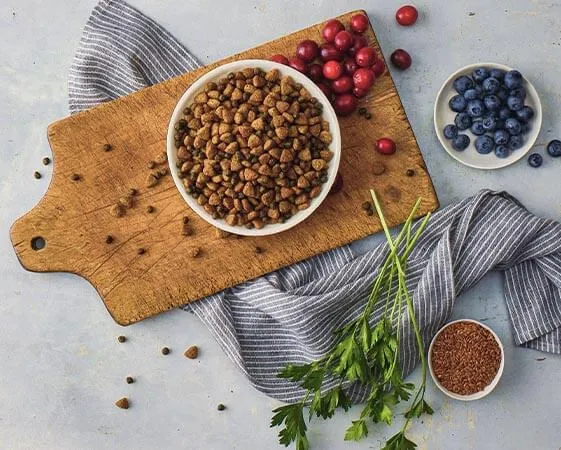 An illustrative image of LifeSource Bits, small kibbles designed to deliver essential antioxidants, vitamins, and mineralsThese unique kibbles represent a precise blend of antioxidants, vitamins, and minerals, formulated by experts to support a puppy’s immune system, meet specific life stage requirements, and promote healthy oxidative balance.
What to Avoid: The “True Blue Promise” Principles
Just as important as knowing what to include in your puppy’s diet is knowing what to exclude. High-quality puppy food brands often adhere to strict ingredient standards. Look for foods that promise:
- No Chicken (or Poultry) By-Product Meals: These can be lower quality protein sources.
- No Corn, Wheat, or Soy: These ingredients are common allergens for some dogs and are often used as inexpensive fillers.
- No Artificial Flavors or Preservatives: Natural preservation methods are always preferable to synthetic chemicals.
Adhering to these principles helps ensure your puppy receives only beneficial, wholesome ingredients. If you’re comparing options, our royal canin puppy food reviews can offer another perspective on what reputable brands offer.
Tailoring the Diet: Puppy Feeding Guidelines
Feeding your puppy isn’t a one-size-fits-all approach. Individual requirements can vary significantly based on age, breed, environment, and activity level. It’s always best to consult your veterinarian for personalized feeding advice, especially if you have a large breed puppy whose growth rate needs careful management to prevent skeletal issues.
- Meal Frequency: Younger puppies (until 6 months old) generally benefit from 3 meals per day. As they grow (6-12 months old), you can typically reduce this to 2 meals per day.
- Portion Control: Always refer to the feeding chart on your chosen puppy food packaging, using a standard measuring cup. Adjust portions as needed to maintain optimal body condition – you should be able to feel your puppy’s ribs easily, but not see them.
- Fresh Water: Ensure a clean bowl of cool, fresh water is available to your puppy at all times. Hydration is just as vital as food.
- Transitioning Food: If you’re switching your puppy to a new food, do so gradually over 7-14 days. Start by mixing 25% new food with 75% old food, slowly increasing the proportion of the new food each day to avoid digestive upset.
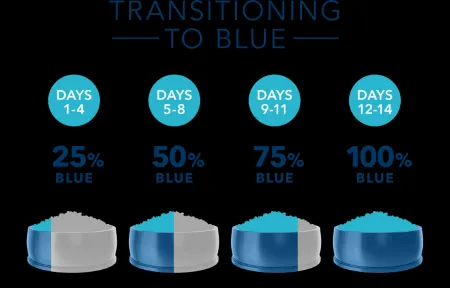 A detailed chart outlining feeding guidelines for puppies based on their weight and ageThis chart provides a clear guide on how much food to give your puppy daily, adjusted for their age and weight, helping to ensure they receive the correct nutritional intake for healthy development.
Understanding your puppy’s specific needs, including if they are a small breed, can make a difference in your food selection. Our article on the healthiest puppy food for small breeds offers more insights.
Understanding Nutritional Guarantees: AAFCO and Beyond
When evaluating puppy food, pay attention to the “Guaranteed Analysis” and the AAFCO (Association of American Feed Control Officials) statement. AAFCO sets nutritional standards for pet foods in the United States. A statement like “formulated to meet the nutritional levels established by the AAFCO Dog Food Nutrient Profiles for growth” indicates that the food is nutritionally complete and balanced for growing puppies. However, for large breed puppies (expected to weigh 70 lbs or more as an adult), some foods may specify an exception for large-size growth, meaning they may not be suitable for preventing rapid growth that can lead to orthopedic issues.
The Guaranteed Analysis provides minimum percentages for crude protein and crude fat, and maximum percentages for crude fiber and moisture. It also often lists key nutrients like DHA, calcium, phosphorus, and omega fatty acids, which are crucial for puppies. These numbers help you compare different foods and ensure your puppy is getting adequate levels of essential nutrients. For instance, adequate calcium and phosphorus are critical for bone development, while a healthy balance of omega-3 and omega-6 fatty acids supports overall health.
Conclusion
Providing your puppy with the right puppy food is one of the most impactful decisions you can make for their long-term health and happiness. By understanding the importance of proper nutrition, carefully selecting ingredients, and following appropriate feeding guidelines, you’re laying the groundwork for a vibrant, healthy life. Remember, every puppy is unique, so consistent communication with your veterinarian is key to tailoring their diet to their individual needs. Invest in quality food, nurture their growth, and enjoy every moment with your thriving companion. For more guidance on choosing the best nutrition, explore our simply nourish puppy food reviews and other resources on Dog Care Story to ensure your puppy thrives.
