
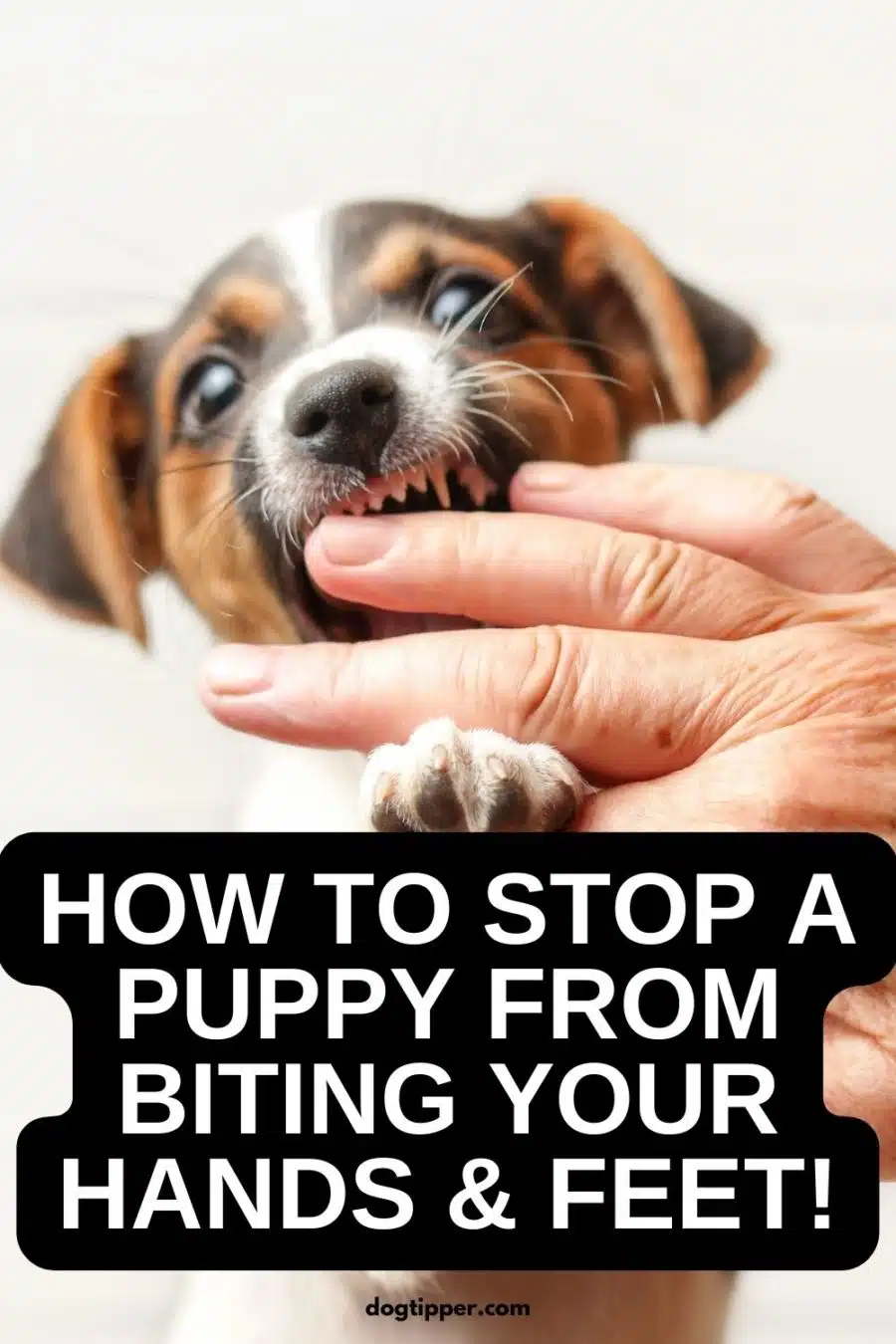
Bringing a new puppy home is an exciting time, but it also comes with the significant responsibility of teaching them appropriate behaviors. One of the most crucial early lessons is about chewing. Puppies naturally explore the world with their mouths, and chewing helps them cope with teething pain. However, without proper guidance, this natural instinct can lead to damaged property and potential safety hazards for your puppy. This guide offers essential tips to help you teach your puppy what they can and cannot chew, making the learning process easier and more enjoyable for both of you.
Provide an Abundance of Safe Chew Toys and Bones
Puppies have an innate need to chew, and it’s vital to provide them with plenty of appropriate options specifically designed for them, such as teething toys or plastic chew bones. If you fail to offer suitable chew toys, your puppy will inevitably find their own outlets, which may include your furniture or belongings.
When selecting chew toys, consider your puppy’s individual personality and chewing style. A power chewer might quickly destroy softer rubber toys, while a gentler dog might prefer a more pliable texture. The goal is to find safe puppy toys that are durable and engaging for your particular pup.
Utilize Frozen Options to Soothe Teething Discomfort
Between birth and six months of age, puppies undergo a significant developmental phase as they lose all their baby teeth and their adult teeth emerge. This teething process can be uncomfortable, akin to the pain humans experience. Providing cold items can help alleviate the discomfort in your puppy’s sensitive gums. Simple and cost-effective options include ice cubes or frozen wet washcloths. You can also find chew toys specifically designed to be frozen. For an extra special treat, a food-stuffable puppy toy can be filled with softened kibble or broth and then frozen, offering a soothing and engaging distraction.
Consult Your Veterinarian for Safe Chewing Recommendations
Your puppy’s first vet visit is an opportune time to discuss safe chewing options. Your veterinarian can provide valuable insights based on your puppy’s breed and expected chewing strength, helping you choose appropriate toys. They can also advise on the suitability of edible chews. For instance, while a chew toy designed for puppies might be suitable for a non-aggressive chewer, a stronger chewer might benefit more from items like bully sticks.
Secure Valuables and Hazardous Items
It’s unrealistic to expect a young puppy to inherently understand the difference between their designated chew toys and your cherished possessions, like a favorite sneaker. If an item can fit into their mouth, they are likely to explore it with their teeth. Your scent on items like shoes can make them particularly appealing. Therefore, it’s essential to keep valuables out of reach and puppy-proof your home to prevent your puppy from chewing on dangerous objects such as electrical wires.
Supervise Your Puppy Diligently
Despite your best efforts to puppy-proof your home, constant supervision of your new pet is indispensable. The environment is filled with temptations, from the allure of a couch cushion to the legs of furniture. By keeping a close eye on your puppy, you can intervene promptly when they begin to chew on inappropriate items and redirect them to a suitable chew toy.
Utilize Crating or Secure Areas for Prevention
Since continuous supervision isn’t always feasible, it’s crucial to ensure your puppy is safe in a crate or a securely dog-proofed area when you need to step away, even briefly. Equip these spaces with several chew toys to keep your puppy engaged and content. Incorporating food-stuffed chew toys can provide an added incentive, rewarding your puppy for chewing on appropriate items and helping to establish a positive association with them.
Implement a ‘Leave It’ Command
Teaching your puppy a “leave it” cue is a powerful tool for preventing them from chewing on inappropriate items. This command signals to your puppy that they cannot have the item, which can be a lifesaver in preventing them from ingesting dangerous objects like dropped medication. Begin by teaching your puppy to only take items from your hand with permission, gradually increasing the difficulty and simulating real-world scenarios.
Teach a ‘Drop It’ or ‘Out’ Command
If your puppy already has something they shouldn’t be chewing, be prepared with a “drop it” or “out” cue. This command prompts your dog to release whatever is in their mouth. The most effective way to teach this is by offering a trade – exchanging the inappropriate item for something more desirable, such as a treat or a favorite toy. Avoid chasing your puppy to retrieve the item, as this can inadvertently encourage a game of keep-away.
Ensure Sufficient Physical and Mental Exercise
Boredom in dogs often leads to self-invented, and frequently destructive, entertainment, including chewing on inappropriate items. Providing your puppy with adequate physical exercise and mental stimulation is crucial. Activities like training sessions, walks, playtime, and engaging puzzle toys help meet your dog’s needs and reduce the likelihood of problem behaviors. This is particularly beneficial before crating your puppy, as a tired puppy is more likely to settle down quickly.
Refrain from Post-Incident Punishment
Dogs operate in the present moment, meaning that an event that occurred even a minute ago may no longer be relevant to them. Furthermore, while they can learn many words, they do not understand human language, making it ineffective to explain their wrongdoing by showing them the damage. Punishing your puppy after the fact will not teach them what they did wrong; instead, they may learn to associate you with fear and unpredictability. It is far more effective to reinforce supervision for future instances. If you catch your puppy in the act of chewing something inappropriate, redirect them to an acceptable chew or offer a trade for a better item.
For ongoing support with training and behavioral questions, the AKC GoodDog! Helpline offers expert assistance via phone or video.
