
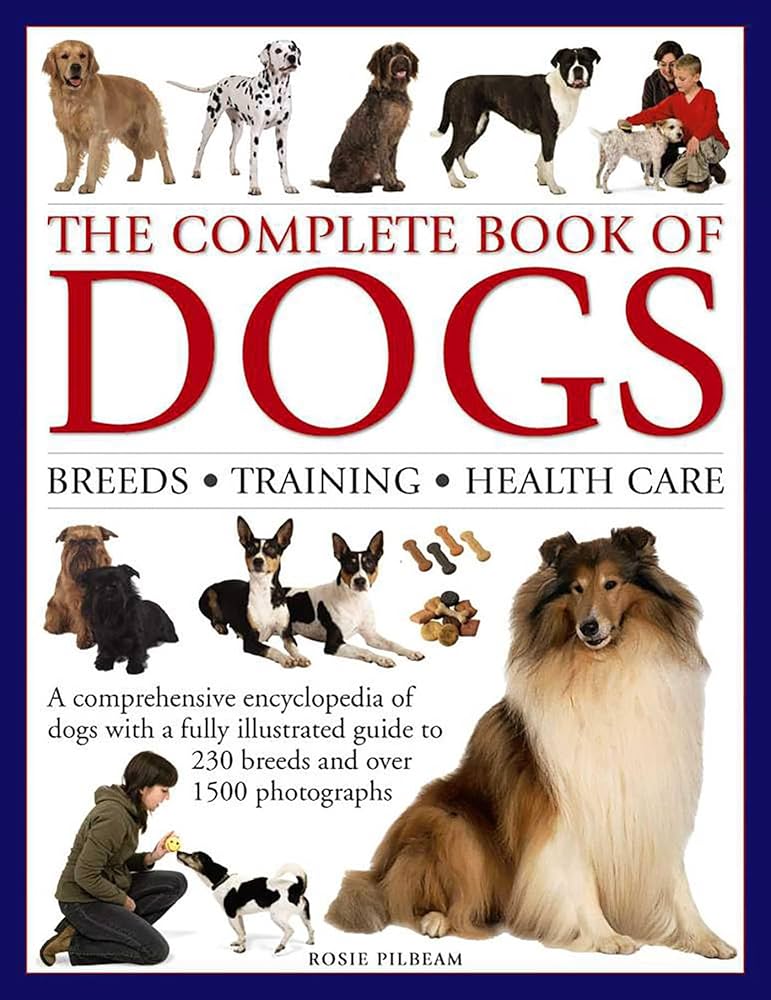
Embarking on the journey of raising a puppy or adopting a dog is incredibly rewarding, but it also comes with the crucial responsibility of training. A well-trained dog is a happy dog, and a happy dog makes for a harmonious household. This encyclopedia aims to be your go-to resource, covering everything from foundational obedience to addressing common behavioral challenges. Whether you’re a first-time dog owner or looking to refine your skills, understanding the principles of effective dog training is key to building a strong, loving bond with your canine companion. Let’s dive into the world of puppy and dog training, transforming your furry friend into a well-behaved member of the family.
The Foundations of Effective Dog Training
At its core, dog training is about communication and consistency. Dogs learn through association, repetition, and positive reinforcement. Understanding how dogs learn is the first step to successful training.
Understanding Canine Learning
Dogs are intelligent creatures that respond best to methods that align with their natural instincts and social structures. Modern, science-based training methods emphasize positive reinforcement – rewarding desired behaviors to make them more likely to occur again. This approach fosters trust and strengthens the human-animal bond, unlike outdated punishment-based methods that can lead to fear, anxiety, and aggression.
- Positive Reinforcement: This involves rewarding your dog with treats, praise, or toys immediately after they perform a desired behavior. This makes the dog associate the action with a positive outcome.
- Classical Conditioning: This is learning by association. For example, a dog might associate the sound of a treat bag with receiving a treat, leading to excitement when they hear it.
- Operant Conditioning: This involves learning through consequences. Behaviors followed by pleasant consequences (like rewards) are more likely to be repeated, while behaviors followed by unpleasant consequences (like being ignored or a gentle correction) are less likely to be repeated.
Essential Training Tools and Supplies
Before you begin, having the right tools can make the process smoother.
- High-Value Treats: Small, soft, and extra-tasty treats that your dog loves. These are crucial for rewarding good behavior during training.
- Leash and Collar/Harness: A standard 6-foot leash is recommended for training. A well-fitting collar or harness is essential for safety and control. For puppies, a lightweight harness can be a good starting point.
- Crate: A crate can be an invaluable tool for house-training, providing a safe den for your dog, and managing behavior when unsupervised.
- Clicker (Optional): A clicker is a marker tool that precisely signals to your dog the exact moment they performed the correct behavior. It’s paired with a reward.
- Toys: For play-based training and rewarding your dog.
Establishing Leadership and Trust
Effective dog training is built on a foundation of mutual respect and clear communication. You are your dog’s leader, and establishing this role kindly and consistently is vital. This doesn’t mean being authoritarian; it means being a reliable guide your dog can trust.
- Consistency is Key: Everyone in the household should be on the same page with training commands and rules. Inconsistent signals will confuse your dog.
- Patience: Training takes time and repetition. Every dog learns at their own pace. Celebrate small successes and don’t get discouraged by setbacks.
- Positive Environment: Keep training sessions short, fun, and positive, especially for puppies. End each session on a successful note.
Basic Obedience Commands Every Dog Should Know
Mastering basic commands not only makes your dog more manageable but also strengthens your communication and bond.
“Sit”
This is often the first command taught.
- Luring: Hold a treat near your dog’s nose. Move the treat up and slightly over their head. As their nose follows the treat, their rear end will naturally lower into a sit.
- Mark and Reward: The moment their rear touches the ground, say “Yes!” or click your clicker, and give them the treat and praise.
- Add the Cue: Once they consistently sit with the lure, start saying “Sit” just as they begin to lower themselves.
- Fade the Lure: Gradually make the hand motion smaller and eventually phase it out, relying only on the verbal cue.
“Stay”
This command teaches impulse control and patience.
- Start Simple: Ask your dog to “Sit.” Then, hold your hand up in a flat “stop” signal and say “Stay.”
- Short Durations: Take just one step back. If they remain in place, return to them (don’t call them to you), praise, and reward.
- Increase Distance and Duration: Gradually increase the number of steps you take away and the amount of time they need to stay. Always return to your dog to reward them; calling them breaks the “stay.”
- Release Cue: Introduce a release word like “Okay!” or “Free!” to signal the end of the stay.
“Come” (Recall)
A reliable recall is a lifesaver.
- Make it Fun: Use an enthusiastic tone and exciting body language. Start in a quiet, enclosed area.
- Use a Long Leash: Let your dog explore on a long leash. When they are a short distance away, say “Come!” in a happy voice.
- Reward Generously: When they come to you, shower them with praise and high-value treats.
- Never Punish: Never punish your dog for coming to you, even if they took a long time or were doing something they shouldn’t have been. You want them to associate coming to you with positive experiences.
- Practice, Practice, Practice: Gradually increase the distance and distractions.
“Down”
A calming command that can help settle your dog.
- From a Sit: Ask your dog to “Sit.” Hold a treat at their nose level and lower it straight down between their front paws, then slowly pull it away from them along the floor.
- Mark and Reward: When they follow the treat into a down position, mark the behavior and reward.
- Add the Cue: Once they consistently follow the lure, say “Down” as they start to move.
- Fade the Lure: Gradually reduce the lure motion.
“Leave It”
Essential for preventing your dog from picking up dangerous items.
- Cover the Treat: Place a treat in your closed fist. Let your dog sniff and lick, but don’t let them have it. Say “Leave It.”
- Reward for Disengagement: The moment they pull their nose away, even for a second, open your hand and give them a different treat (from your other hand).
- Progress to Open Hand: Once they reliably back away from your closed fist, place a treat on the floor and cover it with your hand. Reward them for not trying to get it.
- Add Verbal Cue: Start saying “Leave It” as you cover the treat.
- Increase Difficulty: Progress to leaving tempting items (like toys or kibble) on the floor uncovered, but only when you are confident they will succeed.
House-Training (Potty Training) Your Puppy
House-training requires patience, consistency, and a proactive approach.
Key Strategies for Success
- Frequent Potty Breaks: Take your puppy out first thing in the morning, after waking from naps, after playing, after eating or drinking, and right before bed. Aim for every 1-2 hours for very young puppies.
- Designated Potty Spot: Take your puppy to the same spot outside each time. The scent will encourage them to go.
- Supervision: Keep a close eye on your puppy indoors. If you can’t supervise, use a crate or a playpen.
- Positive Reinforcement: When your puppy eliminates in the designated spot, praise them enthusiastically and give them a high-value treat immediately.
- Clean Up Accidents Thoroughly: Accidents happen. If you catch your puppy in the act, interrupt them gently and rush them outside. If you find an accident later, just clean it up without fuss. Use an enzymatic cleaner to eliminate odors that might attract them back to the same spot.
- Establish a Routine: Dogs thrive on routine. Feeding and potty breaks should happen at consistent times each day.
Recognizing Potty Cues
Watch for signs like circling, sniffing intently, whining, or heading towards a door. These indicate your puppy needs to go out.
Crate Training: A Safe Haven for Your Dog
Crate training, when done correctly, can be a highly effective tool for house-training and providing your dog with a secure space.
Making the Crate a Positive Place
- Introduction: Start by leaving the crate door open with comfortable bedding inside. Toss treats or small toys into the crate to encourage exploration.
- Short Stays: Begin by closing the door for very short periods while you are present. Gradually increase the duration.
- Meal Times: Feed your dog their meals inside the crate with the door closed.
- Never Use as Punishment: The crate should be a safe, positive space, never a place of punishment.
- Appropriate Size: Ensure the crate is large enough for your dog to stand up, turn around, and lie down comfortably, but not so large that they can potty in one end and sleep in the other.
Socialization: Crucial for a Well-Adjusted Dog
Socialization is the process of exposing your puppy to various sights, sounds, people, and other animals in a positive and controlled manner, especially during their critical developmental window (typically up to 16 weeks of age).
Why is Socialization Important?
Proper socialization helps prevent fear-based behaviors, anxiety, and aggression later in life. A well-socialized dog is confident and comfortable in diverse environments.
What to Socialize Your Puppy To:
- People: Different ages, appearances, and gaits (e.g., people wearing hats, carrying umbrellas, using wheelchairs).
- Sounds: Traffic, vacuum cleaners, thunderstorms (gradually introduce at low volumes), doorbells.
- Environments: Parks, pet-friendly stores, different surfaces (grass, pavement, gravel).
- Other Animals: Well-behaved, vaccinated adult dogs and friendly cats, under supervision. Puppy socialization classes are excellent for this.
How to Socialize Effectively:
- Positive Experiences: Ensure all introductions are positive and non-threatening. Don’t force interactions.
- Controlled Settings: Start in quiet environments and gradually increase complexity.
- Observe Your Puppy: Watch for signs of stress or fear. If your puppy seems overwhelmed, give them space or end the session.
Addressing Common Behavioral Challenges
Even with the best training, some challenges may arise. Understanding the cause and employing the right techniques can help.
Barking
Excessive barking can stem from various reasons: boredom, attention-seeking, fear, territoriality, or excitement.
- Identify the Cause: Is your dog barking at people passing by, when left alone, or for no apparent reason?
- Manage Triggers: If barking is triggered by sights outside, use curtains or frosted window film.
- Teach “Quiet”: When your dog barks, wait for a brief pause, then say “Quiet” and reward. Gradually increase the duration of quiet.
- Address Boredom: Ensure your dog gets enough physical and mental exercise. Puzzle toys and training sessions can help.
Jumping Up
This is common, especially in puppies eager for attention.
- Ignore the Behavior: When your dog jumps, turn away, cross your arms, and ignore them. The moment all four paws are on the floor, give them attention and praise.
- Reward Calm Behavior: Reward your dog when they greet people calmly without jumping.
- “Off” Command: Teach an “Off” command by gently guiding them down when they jump and rewarding them when they comply.
Chewing
Chewing is a natural dog behavior, especially for puppies exploring their world.
- Provide Appropriate Chew Toys: Offer a variety of safe chew toys. Rotate them to keep things interesting.
- Puppy-Proof Your Home: Remove tempting items like shoes, electrical cords, and valuable objects from reach.
- Redirect Chewing: If you catch your dog chewing something inappropriate, redirect them to an acceptable chew toy.
- Bitter Sprays: For certain items, a bitter-tasting spray can deter chewing.
Separation Anxiety
This is a more serious behavioral issue where a dog experiences distress when left alone.
- Signs: Destructive behavior, excessive barking or howling, house-soiling, pacing, and attempts to escape when left alone.
- Management: Never punish a dog for separation anxiety-related behaviors.
- Desensitization: Gradually accustom your dog to your departures. Start with very short absences (seconds, then minutes).
- Independence: Encourage your dog to spend time alone in a safe space (crate, room) even when you are home.
- Calm Departures/Arrivals: Avoid overly emotional greetings or goodbyes.
- Mental and Physical Stimulation: Ensure your dog is tired and mentally engaged before you leave.
- Professional Help: For severe cases, consult a veterinarian or a certified professional dog trainer/behaviorist. Medication may be necessary in some instances.
Advanced Training and Enrichment
Once your dog has mastered the basics, you can explore more advanced training and enrichment activities.
Agility and Dog Sports
Activities like agility, flyball, nose work, and obedience trials offer excellent physical and mental challenges for dogs, strengthening your partnership.
Trick Training
Teaching tricks is a fun way to engage your dog’s mind and impress your friends! Start with simple tricks like “shake a paw” or “roll over.”
Mental Stimulation Games
Beyond basic training, engage your dog’s brain with:
- Puzzle Feeders: These toys dispense kibble as the dog manipulates them.
- Scent Games: Hide treats around the house or yard and encourage your dog to find them.
- Learning New Commands: Continuously teach your dog new words and behaviors.
The Lifelong Journey of Dog Training
Training your dog is not a one-time event but an ongoing process that evolves as your dog grows and matures. Consistent reinforcement, positive communication, and a deep understanding of your dog’s needs will foster a lifelong bond built on trust and companionship. Remember, every interaction is a training opportunity. By investing time and effort into training, you’re not just shaping your dog’s behavior; you’re enriching both of your lives immeasurably.
This encyclopedia serves as a starting point, a comprehensive resource to guide you through the exciting and fulfilling world of puppy and dog training. Enjoy the journey with your beloved canine companion!
