
Experiencing difficulty with bowel movements is uncomfortable for anyone, including our beloved canine companions. When your dog struggles to poop, it’s natural to seek effective solutions to help them find relief. Fortunately, several approaches can aid your dog’s digestive health.
Many common human foods are packed with fiber and are safe for dogs, offering a natural way to ease constipation. For instance, incorporating certain fruits and vegetables into your dog’s diet can be beneficial. What vegetables can a puppy eat is a great resource for understanding safe options. While natural remedies are often effective, laxatives should only be considered a last resort and always under the guidance of a veterinarian. This article will explore what you can do if your dog can’t poop, focusing on safe and effective methods.
Understanding Constipation in Dogs
Constipation in dogs occurs when waste moves slowly through the intestinal tract or becomes blocked, preventing its expulsion. This condition can be quite distressing for your pet.
If your dog hasn’t had a bowel movement in two to three days, it’s a clear sign of constipation. While mild cases might resolve on their own, persistent digestive issues warrant a veterinary examination to rule out underlying health problems.
Recognizing the Symptoms of Dog Constipation
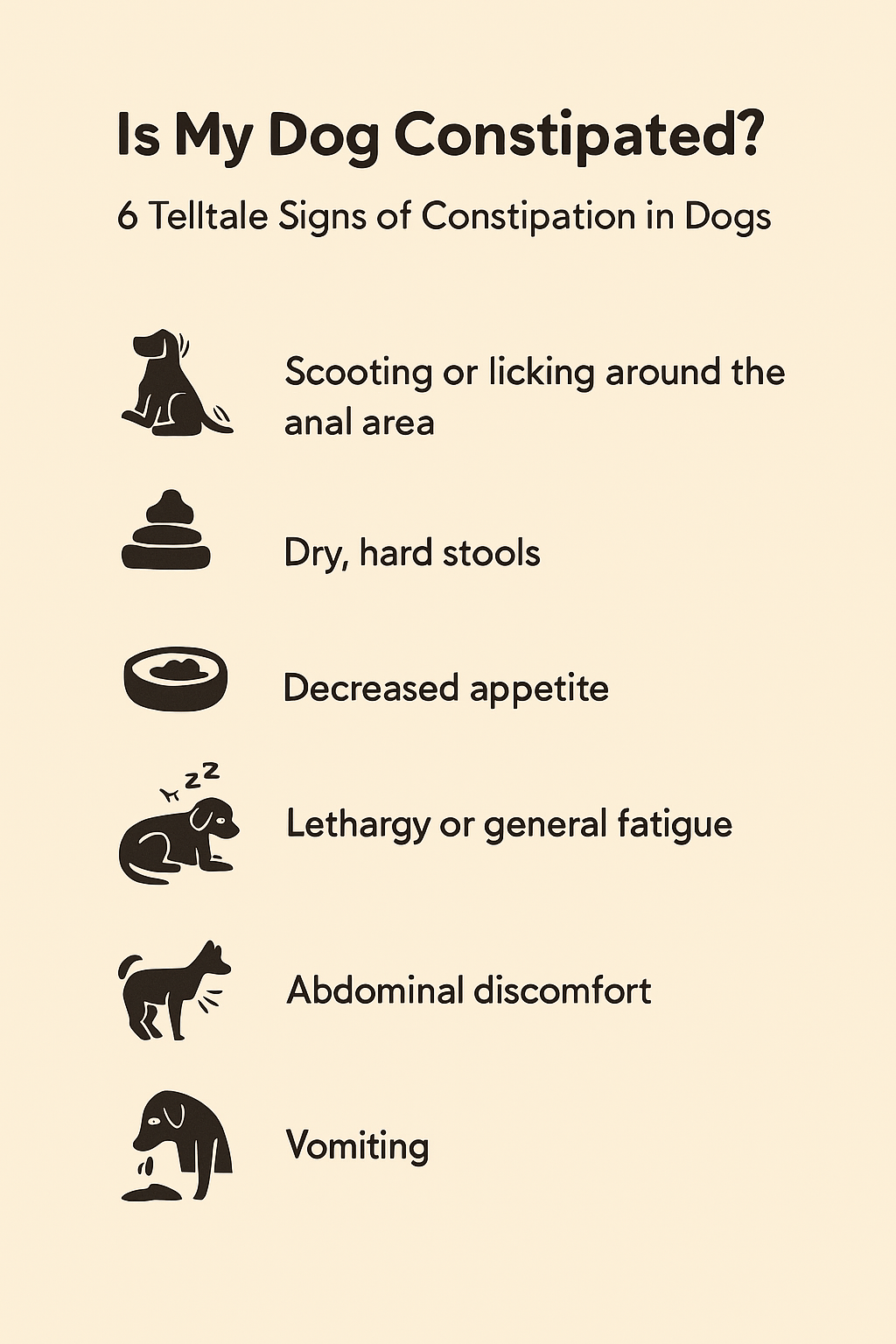
Observing your dog’s behavior when they attempt to defecate can help identify constipation. Key symptoms to watch for include:
- Straining to defecate: Unproductive attempts to pass stool.
- Hard, dry stools: Stool that is small and difficult to pass.
- Infrequent or no bowel movements: A significant decrease in normal defecation frequency.
- Blood in stool: This can indicate straining or irritation.
- Vomiting: A sign of severe discomfort or blockage.
- Loss of appetite: Your dog may refuse food due to nausea or pain.
- Lethargy: A noticeable lack of energy or enthusiasm.
- Abdominal pain or discomfort: Your dog may yelp when their belly is touched or seem restless.
- Distended abdomen: The belly may appear swollen or bloated.
Your dog might also pace or seem anxious before trying to go, only for nothing to come out. Frequent licking of the belly can also be a sign of discomfort.
Effective Treatments for Dog Constipation
Several strategies can help alleviate constipation in dogs. In severe situations, veterinary intervention, including potential surgery, might be necessary. For less severe cases, dietary adjustments and lifestyle changes can make a significant difference.
The Power of Plain Canned Pumpkin
Plain canned pumpkin is a fantastic source of dietary fiber, which is crucial for regulating bowel movements. It acts as a prebiotic, promoting the growth of beneficial bacteria in the gut. Additionally, pumpkin is rich in essential vitamins and nutrients, including:
- Iron
- Lutein
- Calcium
- Vitamin C
- Vitamin A
- Vitamin E
- Beta carotene
It’s vital to use plain canned pumpkin, not pumpkin pie filling, as the latter contains spices and sweeteners that can be harmful to dogs. The high fiber content in pumpkin helps dogs feel fuller, while its moisture aids in softening stools. A general guideline for administration is one tablespoon of pumpkin per ten pounds of body weight, given up to twice daily.
The Role of Exercise
Regular physical activity is essential for a healthy digestive system. Taking your dog for walks or engaging in active play can stimulate movement within the gastrointestinal tract, encouraging the passage of stool. Increased circulation from exercise can help move things along your dog’s colon.
Incorporating Canned Food and Ensuring Hydration
If your dog primarily eats dry kibble, consider switching to wet or canned food temporarily. Wet food has a higher moisture content, which can aid digestion and increase the likelihood of a successful bowel movement. Water is also critical; dehydration can lead to hard, small stools. Ensuring your dog has constant access to fresh water is paramount.
Beneficial Flaxseed
Flaxseed is a nutritional powerhouse, offering omega-three and omega-six fatty acids. Its anti-inflammatory properties can contribute to overall health and may help with:
- Easing arthritis discomfort
- Supporting kidney and heart health
- Improving kidney function
- Lowering blood pressure
- Promoting healthy skin and coat
- Reducing susceptibility to intestinal parasites
Flaxseed can be a valuable addition to your dog’s diet for digestive and intestinal wellness. It can be mixed into their regular food, incorporated into a small amount of dog-safe peanut butter, or sprinkled over plain Greek yogurt.
Fiber-Rich Human Foods
Certain human foods, when given in moderation and prepared appropriately, can help relieve constipation. Remember to always remove seeds and pits, as some can be toxic. Safe options include:
- Apples (seeds are toxic)
- Bananas
- Blueberries
- Cantaloupe
- Peaches
- Strawberries
- Broccoli
- Carrots
- Green beans
- Spinach
- Sweet potatoes
- Kale
Plain, unflavored oatmeal is another excellent, fiber-rich option for dogs. Exploring what human food can dogs eat can provide further insights into safe dietary additions.
Apple Cider Vinegar (ACV)
A minimal amount of apple cider vinegar can potentially aid in alleviating constipation. ACV may offer benefits such as a healthier coat, reduced allergy symptoms, decreased inflammation, pH balance, a stronger immune system, and improved digestion. Its prebiotic qualities can support gut health. However, it’s crucial to use only a very small dose, as excessive amounts can lead to stomach irritation.
The Role of Probiotics
For dogs experiencing recurrent constipation, probiotics can be a beneficial long-term solution. Probiotics introduce beneficial bacteria to the gut, aiding in food digestion and overall gut health. It’s important to use probiotics specifically formulated for dogs, as human probiotics may not be suitable or could even be harmful.
Veterinary-Prescribed Laxatives
In more serious or persistent cases of constipation, your veterinarian may recommend a mild laxative. Medications like docusate sodium can help the intestines absorb more water, softening the stool and facilitating easier passage. It’s imperative to use these only under professional veterinary guidance. For advice on managing an upset stomach, consider what should dogs eat when they have an upset stomach.
Conclusion
When your dog experiences constipation, start with natural and supportive remedies. Prioritize dietary changes, adequate hydration, and appropriate exercise. If these measures do not resolve the issue or if your dog shows signs of severe discomfort, seek immediate veterinary attention. Laxatives should only be administered under the supervision of your veterinarian.
By understanding the causes and symptoms of constipation and employing these natural remedies, you can help your canine friend return to comfortable, regular bowel movements.
