
Caring for a dog facing chronic pain, acute injuries, or mobility issues can be heartbreaking. As loving pet parents, we constantly seek effective, non-invasive solutions to improve our canine companions’ quality of life. From the stiffness of arthritis to the recovery from a soft tissue injury, these conditions can significantly impact a dog’s happiness and overall well-being. This is where advancements in veterinary medicine, such as Pulse Therapy For Dogs, also known as Pulsed Electromagnetic Field (PEMF) therapy, offer a beacon of hope. This innovative treatment can help alleviate discomfort and accelerate healing, allowing your dog to enjoy more vibrant, active days.
Pulse therapy for dogs involves the application of specific electromagnetic fields to the body, designed to influence cellular activity and promote natural healing processes. It’s a gentle yet powerful approach that can be a game-changer for many dogs struggling with various health challenges. Understanding the science behind this therapy and how it can benefit your dog is the first step towards potentially unlocking a path to improved health and comfort. If your dog experiences issues like nerve communication problems, you might also be interested in treatment for focal seizures in dogs.
Understanding the Science: Electric, Magnetic, and Electromagnetic Fields
To truly grasp how pulse therapy for dogs works, it’s essential to briefly familiarize ourselves with the fundamental principles of electric and magnetic fields. These natural forces play an unseen yet critical role in the biological functions of all living beings, including our beloved canines. Understanding these basics will illuminate how carefully applied electromagnetic fields can foster a more vibrant quality of life for your pet.
Electric Fields
Our bodies are intricate networks of electrical activity. Consider, for instance, the human heart: an electrocardiogram (EKG) measures the precise strength and timing of the electrical impulses that orchestrate its rhythm and rate. Similarly, a dog’s body is teeming with electrical charges crucial for everything from seamless nerve communication to efficient muscle contraction and vital organ function. These charges are maintained by a delicate balance of positive and negative ions within the cells. Ensuring this ionic equilibrium is paramount for cells to operate effectively, impacting every aspect of a dog’s health and vitality.
Magnetic Fields
Beyond the body, magnetic fields are a pervasive force in the natural world. On a grand scale, the Earth’s magnetic field acts as a vital shield, protecting all life from the destructive charged particles of solar winds. Without this natural defense, our planet’s atmosphere would be stripped away, making life as we know it impossible. This powerful field also serves as an indispensable guide for migratory animals, from birds to whales, providing essential navigational information across vast distances. These remarkable magnetic fields are generated by the motion of electrically charged particles, a phenomenon that occurs deep within the Earth’s core as molten rock moves with the planet’s rotation.
 Mastiff mix dog relaxing in the grass beside its owner, under natural sunlight
Electromagnetic Fields
Now, let’s connect these two concepts. When electric particles are significantly accelerated—imagine a rapidly flowing river—they generate a magnetic field that is perpendicular to their direction of flow. This intricate interplay creates an electromagnetic force or field. Electromagnetic force stands as one of the four fundamental forces governing all interactions in nature, with gravity being another familiar example. Though we cannot directly perceive or feel these electromagnetic fields, they are ubiquitous and fundamentally vital to all life processes. From the vastness of light, which is an electromagnetic force, to the microscopic cellular activity, where positive and negative ions carry messages that control cell signaling, these forces are constantly at work, orchestrating life at every level.
What Does Pulse Therapy (PEMF) Do for Dogs?
Pulsed electromagnetic fields (PEMFs), when applied with the correct intensity, frequency, and duration, possess the remarkable ability to positively influence these critical cell signaling processes. This targeted influence can yield profound benefits for the body, particularly when cellular communication is compromised due to injury, the natural effects of aging, illness, or stress. By gently stimulating these cellular pathways, pulse therapy for dogs aims to restore and optimize their natural functions, leading to improved health outcomes.
Extensive research and clinical trials, exploring the effects of magnets, electromagnetic fields, and PEMF on the body and cells, have been ongoing since the early 20th century. These studies have paved the way for various applications. For instance, the Food and Drug Administration (FDA) has recognized PEMF for several therapeutic uses in humans:
- 1979: Approved for treating non-union bone fractures and stimulating bone growth.
- 1998: Approved for urinary incontinence and muscle stimulation.
- 2004: Cleared as an adjunct to cervical fusion surgery.
- 2006: Approved for the treatment of depression and anxiety.
- 2019: Cleared as an adjunctive treatment for postoperative pain.
While these FDA clearances pertain to human medicine, they underscore the scientific backing and therapeutic potential of PEMF technology, providing a strong foundation for its application in veterinary care as pulse therapy for dogs.
Key Benefits of Pulse Therapy for Dogs
Researchers have precisely identified many cellular processes that PEMFs influence, leading to a spectrum of positive outcomes. The core mechanisms of action initiated by pulse therapy for dogs contribute significantly to healing and overall well-being through several vital pathways.
These include:
- Cell Proliferation and Collagen Formation: PEMFs stimulate cell multiplication and the production of collagen, a crucial protein for the repair and regeneration of tissues, including skin, tendons, and ligaments. This accelerates healing and strengthens damaged areas.
- Reduction of Inflammation: By influencing cellular signaling, PEMF therapy effectively reduces inflammation, which is often a root cause of pain and discomfort in various conditions. This anti-inflammatory effect helps to soothe affected tissues.
- Increase in Circulation: The therapy promotes improved blood flow throughout the body. Enhanced circulation ensures that vital oxygen and nutrients are delivered more efficiently to cells, supporting their health and function.
- Increase Oxygenation of Tissue: Directly linked to improved circulation, PEMFs enhance the oxygenation of tissues. Optimal oxygen levels are essential for cellular metabolism and the healing cascade.
- Pain Reduction: Through a combination of reducing inflammation and improving cellular function, pulse therapy for dogs is highly effective in mitigating pain, offering relief to dogs suffering from chronic or acute discomfort.
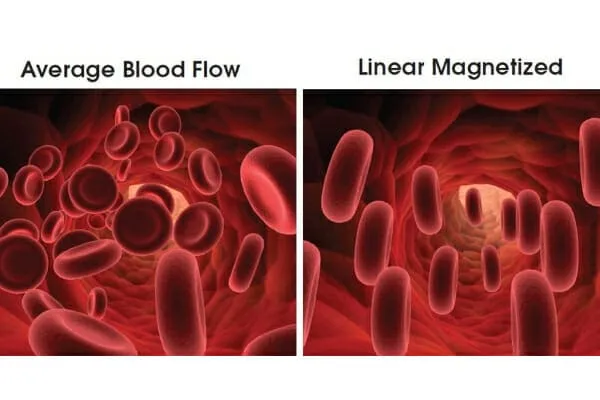 Diagram illustrating the difference between average blood flow and linearly magnetized blood flow
In the realm of veterinary medicine and animal health, these profound effects translate into incredible benefits for managing a wide range of conditions in dogs. Pulse therapy can significantly aid in:
- Osteoarthritis: Alleviating pain and inflammation in stiff, arthritic joints, improving mobility.
- Disc-Related Conditions: Supporting healing and reducing discomfort associated with spinal issues.
- Acute Injuries: Accelerating the recovery of sprains, strains, and other soft tissue trauma.
- Bone Fractures: Stimulating bone growth and promoting faster, more robust bone healing.
- Post-Surgical Recovery: Reducing pain, swelling, and speeding up the overall healing process after operations.
- Wound Healing: Enhancing tissue repair and circulation to improve the closure and integrity of wounds.
- General Well-being: For older dogs or those with chronic conditions, it can significantly improve comfort and overall quality of life.
7 Frequently Asked Questions About Pulse Therapy for Dogs
Now that we’ve delved into the scientific underpinnings of electromagnetic fields and the profound benefits of pulse therapy, let’s address some practical aspects of PEMF treatment. As an expert in this field, I’ve encountered numerous questions from devoted dog parents over the years. Below, I’ve compiled answers to the most common inquiries to help you navigate this therapeutic option for your furry friend.
FAQ #1: Is Pulse Therapy Right for My Dog?
When considering any new therapeutic approach for your dog, a thorough consultation and ongoing communication with your veterinarian are absolutely essential. Your vet possesses the medical expertise and understanding of your dog’s specific health history to determine if pulse therapy could be a suitable and beneficial option for their condition. They can help assess the potential for PEMF to integrate effectively with any existing treatments and offer personalized guidance.
FAQ #2: Clinic vs. Home Use for Canine PEMF?
Many veterinary clinics and rehabilitation centers offer PEMF therapy as part of their standard treatment protocols. However, the true efficacy of pulse therapy for dogs often benefits from more frequent application than clinic visits alone can provide. Fortunately, the market offers a wide array of excellent options for at-home use. These include specialized PEMF loops, comfortable PEMF beds or mats, and even PEMF dog jackets, providing flexibility and convenience. You have the choice of purchasing a PEMF machine directly from your veterinarian or exploring options to purchase or rent a device from a specialized PEMF company.
 Heeler mix dog comfortably lying on a PEMF mat for pulsed electromagnetic field therapy
FAQ #3: What Technical Specifications Should I Look For?
PEMF companies utilize a diverse range of intensities, waveforms, frequencies, and delivery methods, which can make choosing the right device seem overwhelming. Two pivotal considerations that can simplify your decision-making are the intensity and the pulse frequency of the device. These specifications directly impact the effectiveness and appropriate application of pulse therapy for dogs.
Intensity
When evaluating the intensity of a PEMF device, keep the following factors in mind:
- Measurement: PEMF intensity, or strength, is commonly measured in tesla (T) or gauss (G). A higher intensity generally means the therapeutic field can penetrate deeper into tissues. For context, the Earth’s natural magnetic field strength ranges from 25-65 microtesla (uT) or 0.25-0.65 gauss (G).
- Low Intensity Uses: For surface conditions like wounds, or for achieving a calming effect on the central nervous system, a low-intensity system, typically below 1G in peak intensity, can be quite effective.
- Higher Intensity Uses: For promoting tissue regeneration and repair, managing deep inflammation in larger joints, or accelerating bone healing, a device with a peak intensity in the 2-30G range will generally be the most effective at triggering these critical biological mechanisms.
Pulse Frequency
When assessing pulse frequency, consider these important points:
- Common Range: Most PEMF devices available today operate within a pulse frequency range of 5-60Hz. This range is significant because it closely mimics the Earth’s natural resonant frequency, which is approximately 7.83Hz (Schumann resonance). Devices within this category are often recommended for optimal therapeutic benefits for dogs.
- Versatility: Ideally, look for a device that offers the capability to select from several different frequencies. Certain conditions have been found to respond better to specific frequencies. Having a device that allows you to choose from at least three distinct frequencies will greatly expand its versatility and utility for treating various conditions with pulse therapy for dogs.
 Doodle dog relaxing on a PEMF therapy bed at home, receiving treatment
FAQ #4: How Do I Choose the Best PEMF Machine for My Dog?
Selecting the ideal PEMF device for your dog requires careful consideration and research. Before making a final decision, dedicate time to evaluating various options. Key factors to consider include:
- Company Experience and Results: Investigate how long the company has been developing and utilizing their specific technology, frequency, and intensity settings for canine applications. Look for documented results or testimonials that demonstrate efficacy.
- Treatment Goal: Clarify your primary goal. Are you simply aiming to provide general relaxation for your dog, or are you targeting the treatment of a specific medical condition such as arthritis or an injury? This will influence the type and power of the device needed.
- Device Type: Consider the area you need to treat. A large PEMF bed or mat might be ideal for addressing multiple tissue areas simultaneously or for providing full-body support. Conversely, a smaller PEMF loop could be more suitable for targeting localized, specific areas like a knee or elbow.
- Customer Support: Assess the availability and quality of customer support. This includes assistance for both treatment-related questions (e.g., proper protocols) and technical support for any device issues that may arise.
- Longevity and Rechargeability: Inquire about the expected lifespan of the device. Also, determine if it is rechargeable, which offers long-term cost savings and environmental benefits, or if it uses disposable components.
- Price: Compare the cost of various devices against your budget and the features offered. Remember that a higher price doesn’t always guarantee the best fit for your specific needs, nor does a lower price imply poor quality.
FAQ #5: What Results Can I Expect and When Should I See Them?
When using pulse therapy for dogs, you can generally expect to see several main results over time, indicating an improvement in your dog’s condition and quality of life. These include:
- Reduced Pain and Inflammation: A primary benefit, leading to greater comfort.
- Increased Mobility: Improved range of motion and ease of movement, especially in arthritic dogs.
- Healing of Acute Soft Tissue Injuries: Faster recovery from sprains, strains, and other muscle/tendon damage.
- Overall Positive Impact on Quality of Life: A happier, more comfortable, and often more active dog.
However, how these results manifest and the timeline for their appearance will vary significantly from one dog to another. Several factors can influence when noticeable improvements become evident:
- Dog’s Age: Younger dogs may respond more quickly than older dogs with long-standing conditions.
- Overall Health: A dog’s general health status and any underlying conditions can affect treatment efficacy.
- Condition Being Treated: Acute injuries might show faster improvement compared to chronic conditions like severe osteoarthritis.
- Activity Level: A dog’s lifestyle and activity can play a role in recovery.
- Other Therapies: The combination of PEMF with other medications or therapies can influence outcomes.
While some dogs can experience immediate pain relief from a single treatment, the ultimate effect of pulse therapy is cumulative. It may take anywhere from a week to a month for the mechanisms triggered by the therapy to fully manifest in noticeable, lasting results. Therefore, patience and consistent application are key to achieving the best outcomes.
FAQ #6: What Treatment Protocol Should I Follow?
The specific treatment protocol for pulse therapy for dogs will vary depending on the particular device you are using and the condition being treated. It is crucial to always refer to the manufacturer’s guidelines provided with your PEMF machine. In general, treatments typically range from one 30 to 60-minute session per day to multiple shorter sessions of 10 to 15 minutes each throughout the day. Your veterinarian or the PEMF device manufacturer can provide tailored recommendations for your dog’s specific needs.
 Large Mastiff dog comfortably resting on a PEMF mat during therapy session
FAQ #7: Are There Any Negative Side Effects or Contraindications to PEMF Therapy?
When used within the recommended intensity and frequency ranges, pulse therapy for dogs is considered a non-invasive and safe treatment. It should have no negative effects on your dog, as the fields typically pass through healthy cells without causing disruption.
However, as with any therapeutic intervention, there are a few contraindications to PEMF that you must be aware of to ensure your dog’s safety. Do not use pulse therapy on:
- Pregnant Dogs: PEMF could potentially interfere with the natural growth and development processes of the fetuses.
- Areas That Are Actively Bleeding or Hemorrhaging: The therapy may exacerbate bleeding.
- Dogs Undergoing Cancer Treatment: Consult with your veterinarian before using PEMF therapy on dogs receiving cancer treatment, as its effects on certain cancer types are still being researched and can be contraindicative.
- Dogs Under the Age of One Year: The developing bodies of very young puppies might be more sensitive, and the long-term effects of PEMF on rapid growth are not fully established for this age group.
Consult Your Veterinarian About Pulse Therapy
As you’ve learned, pulse therapy for dogs, or PEMF therapy, presents a remarkable opportunity to significantly enhance your dog’s quality of life. It is a non-invasive, generally safe treatment that can be conveniently administered in the comfort of your home. This makes it an attractive option for managing a range of conditions, from chronic orthopedic issues to acute injuries, with virtually minimal risk when properly applied.
If you believe that pulse therapy might be a beneficial choice for your cherished canine companion, the most crucial next step is to consult with your veterinarian or a qualified veterinary rehabilitation professional. They can provide a thorough assessment of your dog’s health, discuss the suitability of PEMF therapy for their specific needs, and integrate it safely with any existing care plans. Should they give you the green light to proceed, and you decide to invest in or rent a device, keep the answers to the frequently asked questions above in mind. This knowledge will empower you to make an informed decision and ensure the best possible therapeutic outcome for your dog.
As Dr. Buzby, founder of Dr. Buzby’s—The Senior Dog Company, emphasizes, the goal is to improve the lives of senior dogs and grant them more good days. It is her firm belief that PEMF therapy has the potential to achieve this for many dogs grappling with pain and inflammation, truly making a difference in their golden years.
About the Author
Lisa Miksis is the President at Respond Systems Inc. in Branford, CT, a company globally recognized for manufacturing and selling veterinary therapy devices, including advanced PEMF therapy systems. Holding a BS in Biology from Boston College, Lisa spearheads Respond Systems’ research and development initiatives focused on PEMF technology. Her expertise lies in exploring its profound effects on cellular processes that are instrumental in pain management, healing, and the prevention of disease and injury in animals.
References:
- Cristiano Luigi, Pratellesi Tiziano. Mechanisms of Action And Effects of Pulsed Electromagnetic Fields (PEMF) in Medicine. Jrl of Medical Research and Surgery (2020) 1:6.
- Anthony J. Lisi, Mickey Scheinowitz, Richard Saporito, Anthony Onorato (2019). A Pulsed Electromagnetic Field Therapy Device for Non-Specific Low Back Pain: A Pilot Randomized Controlled Trial. Pain Ther (2019) 8:133-140.
- Pinna S, Francesca Landucci, Anna Maria Tribuiani, Fabio Carli and Antonio Venturini. The Effects of Pulsed Electromagnetic Field in the Treatment of Osteoarthritis in Dogs: Clinical Study. Pak Vet J, 2013, 33(1): 96-100.
- Hallie B Murray, Brian A Pethica. A follow-up study of the in-practice results of pulsed electromagnetic field therapy in the management of nonunion fractures. Orthopedic Research and Reviews 2016:8 67-72.
