
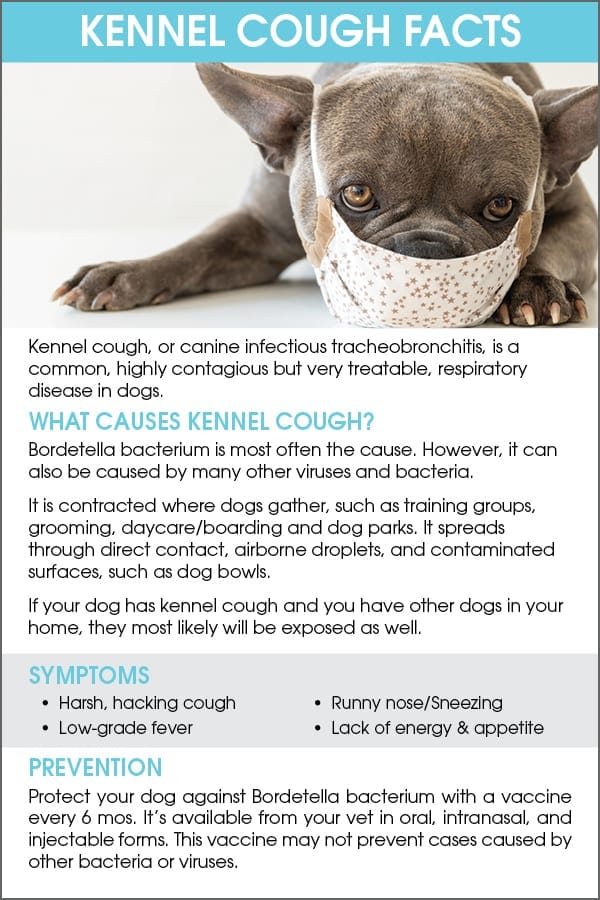
As a devoted pet parent, noticing your dog coughing can be concerning. While occasional coughing is usually not a cause for alarm, persistent or recurrent coughing can signal an underlying health issue that requires attention. Understanding the common reasons behind a dog’s cough is crucial for knowing when to worry and when to seek professional veterinary help. This guide delves into the various causes of coughing in dogs, diagnostic approaches, treatment options, and simple home remedies.
Common Causes of Coughing in Dogs
A dog’s cough can stem from a wide array of issues, ranging from minor irritations to serious medical conditions.
Infections Affecting the Respiratory System
Viruses, bacteria, fungi, and parasites can all lead to coughing in dogs. These pathogens can target the upper respiratory tract, lung tissue (pneumonia), airways (bronchitis), or a combination of these areas (bronchopneumonia). For instance, the Canine Influenza Virus is becoming more common in the U.S. and can manifest with symptoms like coughing, fever, and nasal discharge. Parasitic infections like heartworms can also cause coughing as the parasites mature in the lungs.
Chronic Bronchitis
When inflammation of a dog’s airways persists without another identifiable cause, it’s often diagnosed as chronic bronchitis. This condition typically results in a dry, hacking cough that tends to worsen with physical activity or excitement and may progress over time.
Allergic Reactions
Allergies occur when a dog’s immune system overreacts to substances in their environment, known as allergens. When a dog is exposed to these allergens, their immune system can become sensitized, leading to inflammation in the airways and lungs, which can trigger a cough.
Reverse Sneezing
Although technically not a cough, the sound of reverse sneezing is often mistaken for one by pet owners. This phenomenon typically happens in short bursts when an irritant affects the back of a dog’s nasal passages. Occasional reverse sneezes are normal, but if they become frequent or severe, accompanied by nasal discharge or facial changes, it’s advisable to consult a veterinarian.
Heart Disease
Various heart conditions, such as mitral valve endocardiosis, dilated cardiomyopathy, and congestive heart failure, can lead to coughing in dogs.
Collapsing Trachea
Small dog breeds are particularly susceptible to a weakening of the cartilage rings that support the trachea. This weakening can cause the trachea to collapse during inhalation, leading to irritation and a characteristic “goose honk” cough.
Pulmonary Hypertension
This condition involves high blood pressure in the lungs, which impedes blood flow and oxygen delivery. It can be caused by chronic lung disease, heartworm disease, or blood clots in the pulmonary arteries.
Heartworm Disease
Transmitted by mosquitoes, heartworms mature in a dog’s heart and lungs, causing inflammation that can result in coughing and potentially fatal damage to these vital organs.
Foreign Objects in the Airways
When dogs inhale foreign materials, such as small objects or food particles, the body’s natural response is to try and expel them through coughing. If unsuccessful, veterinary intervention is required for removal.
Foxtails and Grass Awns
The sharp bristles of certain grasses, like foxtails, can penetrate a dog’s skin and migrate into the lungs or chest cavity, causing irritation and coughing. In severe cases, this can lead to pneumonia or other serious complications.
Laryngeal Paralysis
This condition affects the nerves controlling the larynx, preventing the airway from fully opening. This results in coughing, noisy breathing, and shortness of breath.
Cancer
Coughing can be an early symptom of various cancers, including those affecting the lungs, respiratory tract, heart, or surrounding tissues.
Rat Poison Ingestion
Certain types of rat poison work by inhibiting blood clotting. Ingesting these can cause internal bleeding, potentially into the chest cavity, leading to coughing. This is a veterinary emergency.
Esophagitis
Inflammation of the esophagus, often caused by stomach acid reflux, can lead to irritation and coughing. Certain foods, medications, and prolonged anesthesia can contribute to this condition.
Tumors in the Larynx and Trachea
Rarely, tumors can develop in the larynx or trachea, obstructing breathing, swallowing, and eating, and potentially causing a cough.
Aspiration Pneumonia
This serious lung infection occurs when food, water, vomit, or other foreign material is inhaled into the lungs, leading to bacterial growth, inflammation, and difficulty breathing.
Inhaling Indoor Irritants
Household sprays, aerosols, and other airborne irritants can trigger coughing in dogs, especially those with pre-existing respiratory conditions.
Lung Lobe Torsion
This condition occurs when a lung lobe twists, blocking the airway. It is more common in dogs with fluid in their chest or heart disease.
When to Seek Veterinary Care
If your dog is coughing frequently or exhibits any of the following symptoms, seek immediate veterinary attention:
- Difficulty breathing or heavy/rapid breathing
- Persistent vomiting
- Unexplained weight loss
- Nasal discharge, particularly if it is green or yellow
- A whistling sound when breathing
- Changes in bark
- Exercise intolerance
- Protrusion of one or both eyes
- Changes in facial symmetry
Important Note: Never administer over-the-counter human cough medications to your dog without explicit veterinary approval.
If your dog has a mild cough without any other concerning symptoms, you might monitor them for a day or two. However, if the cough doesn’t resolve, worsens, or if any of the above symptoms appear, a veterinary visit is essential.
Diagnosing the Cause of Coughing
A veterinarian will begin by taking a thorough health history, inquiring about your dog’s lifestyle, travel history, and preventive care. A complete physical examination will follow. Depending on the initial findings, diagnostic tests may be necessary, which can include:
- Blood tests to screen for infections
- Fecal examinations for parasites
- Echocardiography (ultrasound of the heart)
- Blood pressure measurement
- Electrocardiogram (ECG)
- Analysis of fluid samples from the airways
- Endoscopy of the upper gastrointestinal tract or airways (bronchoscopy)
Treatment for Coughing in Dogs
Treatment plans are tailored to the specific underlying cause of the cough. This might involve:
- Medications such as antibiotics, antifungals, or antiparasitics
- Endoscopy or surgery for foreign bodies or tumors
- Oxygen therapy
- Nebulizer treatments or humidifiers
Supportive care, including ensuring adequate hydration and nutrition, is also crucial. Many mild to moderate cases can be managed with outpatient care, while severe conditions may require hospitalization.
Home Remedies for Dog Coughs
In cases of mild, dry coughing where your dog is otherwise healthy and shows no other concerning symptoms, your veterinarian might suggest home care. Steam therapy, by having your dog relax in a steamy bathroom (without direct exposure to hot water), can help moisten dry airways. Ensuring your dog has access to fresh water, perhaps with ice cubes to encourage drinking, is also beneficial. Immune-boosting supplements may also be considered.
Always consult your veterinarian before attempting any home remedies, especially if your dog is experiencing respiratory distress.
Can Dogs Have Cough Drops?
No, dogs should never be given human cough drops. They can cause digestive upset, intestinal obstruction, and may contain xylitol, a substance toxic to dogs.
Your veterinarian is the best resource for diagnosing and treating your dog’s cough. Prompt attention to persistent coughing can significantly impact your dog’s health and well-being.
Frequently Asked Questions About Dog Coughing
Why is my dog coughing?
Dogs may cough due to inhaled foreign material, airborne irritants, allergies, inflammation, infections, parasites, cancers, heart conditions, or airway issues like collapsing trachea.
What can I give my dog for a cough?
For mild, dry coughs, breathing humidified air in a steamy bathroom can help. Ensure your dog stays hydrated by encouraging them to drink water. However, a veterinary examination is necessary for a proper diagnosis and specific treatment recommendations.
Can dogs have cough drops?
No, dogs cannot safely consume human cough drops due to the risk of toxicity, digestive issues, and potential blockages. Always consult a veterinarian for any treatment.
