
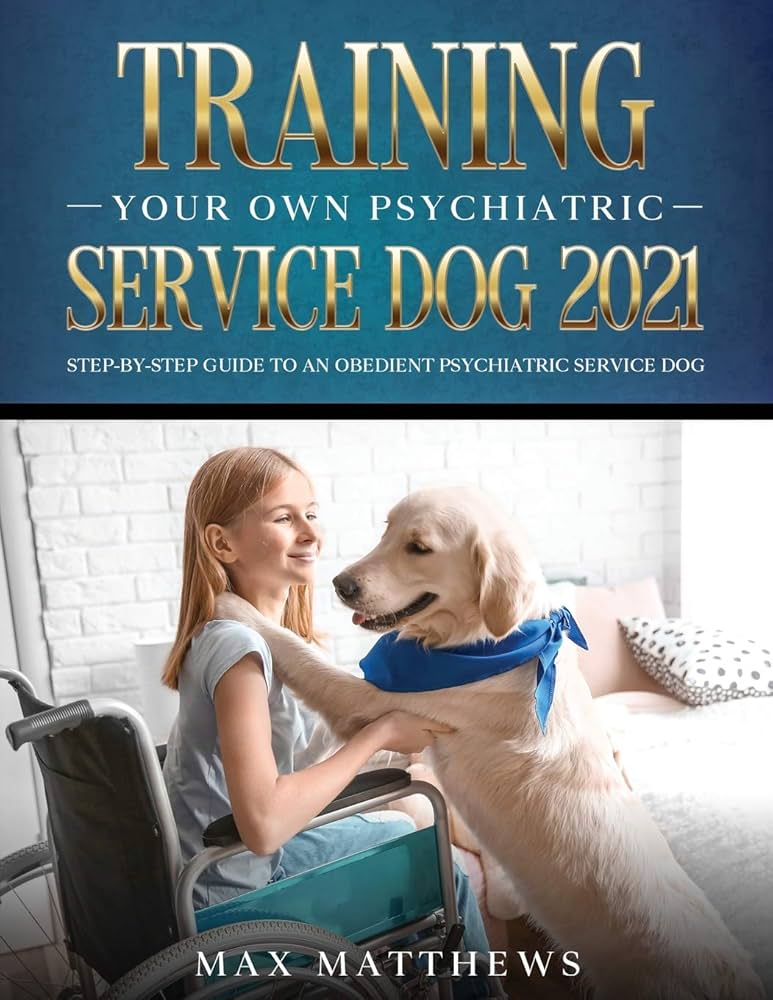
Living with a mental health condition can feel like navigating a complex maze in the dark. For many, a psychiatric service dog (PSD) is a guiding light, a trained partner offering tangible support to manage challenges like PTSD, anxiety, and depression. But how does a loving canine companion transform into a skilled service animal? The answer lies in a dedicated and specialized process: Psychiatric Service Dogs Training. This journey is about more than teaching simple obedience; it’s about forging an incredible bond and empowering a dog to perform life-altering tasks that directly mitigate their handler’s disability.
This comprehensive approach is about creating a partnership that enhances independence and quality of life. Unlike emotional support animals (ESAs), which provide comfort simply by being present, PSDs are trained to perform specific, crucial jobs. For a deeper understanding of the broader training landscape, it’s helpful to see how this compares to how you would train dog for service dog for a variety of needs. This guide will walk you through the essential components of that training, from foundational skills to the remarkable tasks that make these dogs true lifelines.
Understanding the Role of a Psychiatric Service Dog
Before diving into the “how” of training, it’s critical to understand the “what.” A psychiatric service dog is an animal individually trained to do work or perform tasks for the benefit of an individual with a disability, including a psychiatric disability. This definition, rooted in the Americans with Disabilities Act (ADA), is what grants PSDs legal access to public spaces where pets are typically not allowed.
PSD vs. ESA vs. Therapy Dog: A Crucial Distinction
It’s a common point of confusion, but the roles are distinctly different:
- Psychiatric Service Dogs (PSDs): Task-trained to help one specific individual with a mental health disability. They have public access rights under the ADA.
- Emotional Support Animals (ESAs): Provide comfort and emotional support through their presence. They are not required to have task training and do not have the same broad public access rights as service dogs.
- Therapy Dogs: Provide comfort and affection to many people in clinical settings like hospitals, nursing homes, and schools. They are trained to be calm and friendly but are not service animals for their handler.
Recognizing these differences is the first step in understanding the unique and rigorous requirements of psychiatric service dogs training.
Key Tasks Learned in Psychiatric Service Dogs Training
The core of a PSD’s training revolves around tasks that directly address the handler’s mental health symptoms. These tasks are customized to the individual’s needs and can make a profound difference in daily functioning.
Grounding and Tactile Stimulation
When a handler experiences dissociation, a panic attack, or overwhelming anxiety, a PSD can perform grounding tasks. This involves initiating physical contact to bring the handler back to the present moment.
“A grounding task can be as simple as the dog placing a paw on their handler’s knee or nudging their hand,” explains Dr. Eleanor Vance, a clinical psychologist. “This physical sensation can interrupt a spiral of anxious thoughts and provide a focal point for the handler to reconnect with reality.”
Deep Pressure Therapy (DPT)
One of the most common and effective tasks is Deep Pressure Therapy. The dog is trained to use its body weight to apply gentle, calming pressure to the handler’s lap, chest, or torso. This action has a physiological effect, much like a weighted blanket, helping to calm the nervous system, lower heart rate, and mitigate the effects of a panic attack or emotional overload.
Interrupting and Alerting to Behaviors
PSDs can be trained to recognize and interrupt harmful or repetitive behaviors associated with their handler’s condition, such as skin-picking, leg-bouncing, or scratching. They can nudge, lick, or otherwise distract the handler to stop the behavior. Furthermore, many dogs can learn to recognize the subtle physiological cues that precede an anxiety attack or flashback, alerting their handler so they have time to move to a safe space or use other coping strategies. Some handlers seeking specialized training programs in their area may explore options like service dog training in north carolina to find experienced professionals.
Other Essential Tasks
- Medication Reminders: Nudging or pawing the handler at specific times to remind them to take their medication.
- Creating Space: Standing in front of or behind the handler in public to create a physical barrier and reduce anxiety in crowded situations.
- Guidance: Leading a disoriented handler to a safe place, an exit, or back to their car during an episode.
- Waking from Nightmares: For individuals with PTSD, a PSD can be trained to turn on a light and wake their handler from a night terror.
The Journey of Psychiatric Service Dogs Training
Training a PSD is a significant commitment of time, effort, and consistency, typically taking one to two years. The process can be broken down into distinct phases, whether you work with a professional organization or undertake the path of owner-training.
Can I Train My Own Psychiatric Service Dog?
Yes, under the ADA, individuals with disabilities have the right to train their own service dog. This can be a therapeutic and bond-strengthening process. However, it requires immense dedication, skill, and an objective understanding of dog behavior. Many owner-trainers work with professional trainers for guidance. Organizations that offer remote or guided training, such as pettable service dog training, provide structured programs for those who choose this path. The alternative is to acquire a fully trained dog from a reputable organization, which often involves a long waiting list and significant cost.
Phase 1: Foundational Obedience and Socialization
Before any task-specific work can begin, the dog must have flawless basic obedience. Commands like Sit, Stay, Down, Come, and Heel must be reliable in any environment. Equally important is socialization. The dog must be exposed to a wide variety of sights, sounds, smells, and situations from a young age to ensure it is calm, confident, and unobtrusive everywhere it goes.
Phase 2: Public Access Training
This is where the dog learns to be invisible in public. Public access training involves practicing obedience and manners in busy, distracting environments like grocery stores, restaurants, and public transportation. The dog must learn to ignore food on the floor, other people, and other animals, focusing solely on its handler. Passing a Public Access Test is the benchmark for ensuring a service dog is ready to work without causing any disruption.
Phase 3: Task-Specific Training
This is the most specialized part of psychiatric service dogs training. Once the dog has mastered obedience and public access skills, you can begin training the specific tasks needed to mitigate your disability. This training relies heavily on positive reinforcement, breaking down complex behaviors into small, manageable steps. For example, to teach Deep Pressure Therapy, you might start by rewarding the dog for placing its chin on your lap, then for one paw, then two, and gradually shaping the behavior into the final task. The specific needs and training environment can vary, leading many to look for local experts, such as those providing service dog training fort worth.
Choosing the Right Canine Candidate
While any breed can be a service dog, certain temperaments are better suited for the work. A good candidate for psychiatric service dogs training is:
- Calm and Confident: Not easily startled or stressed by new environments.
- Intelligent and Eager to Please: Makes training easier and more enjoyable.
- People-Oriented: Naturally forms a strong bond with its handler.
- Not Overly Protective: Must be neutral to strangers and other animals.
Breeds like Labrador Retrievers, Golden Retrievers, Poodles, and German Shepherds are common choices due to their temperament and trainability. However, the individual dog’s personality is far more important than its breed.
Frequently Asked Questions (FAQ)
1. How long does psychiatric service dogs training take?
Typically, it takes 1 to 2 years to fully train a service dog for psychiatric work, encompassing basic obedience, public access, and specialized task training.
2. What is the difference between a PSD and an ESA?
A PSD is trained to perform specific tasks to mitigate a mental health disability and has public access rights under the ADA. An ESA provides comfort through presence, is not task-trained, and does not have the same legal protections for public access.
3. Can any dog breed become a psychiatric service dog?
Yes, any breed can be a PSD. The success of a service dog depends more on its individual temperament, health, and trainability than its specific breed.
4. Do I need a doctor’s letter to have a PSD?
While the ADA does not require a doctor’s letter for public access, you do need to have a qualifying disability. A healthcare professional’s diagnosis is the basis for this, and documentation can be helpful for other purposes, like housing accommodations.
5. How much does training a psychiatric service dog cost?
The cost varies dramatically. Professional programs that provide a fully trained dog can cost $20,000 or more. Owner-training with the help of a professional trainer is often less expensive but requires a significant investment of your own time and effort. For those exploring regional options, researching service dog training oregon can provide a baseline for local costs.
The Unbreakable Bond
The journey of psychiatric service dogs training is demanding, but it culminates in more than just a well-behaved animal. It forges an unbreakable bond between a human and a dog, creating a symbiotic partnership built on trust, communication, and mutual support. For a person navigating the challenges of a mental health condition, their psychiatric service dog is not just a helper; it is a constant, a confidant, and a key to unlocking a more independent and fulfilling life. This remarkable partnership is a testament to the profound healing power of the human-animal bond.
