
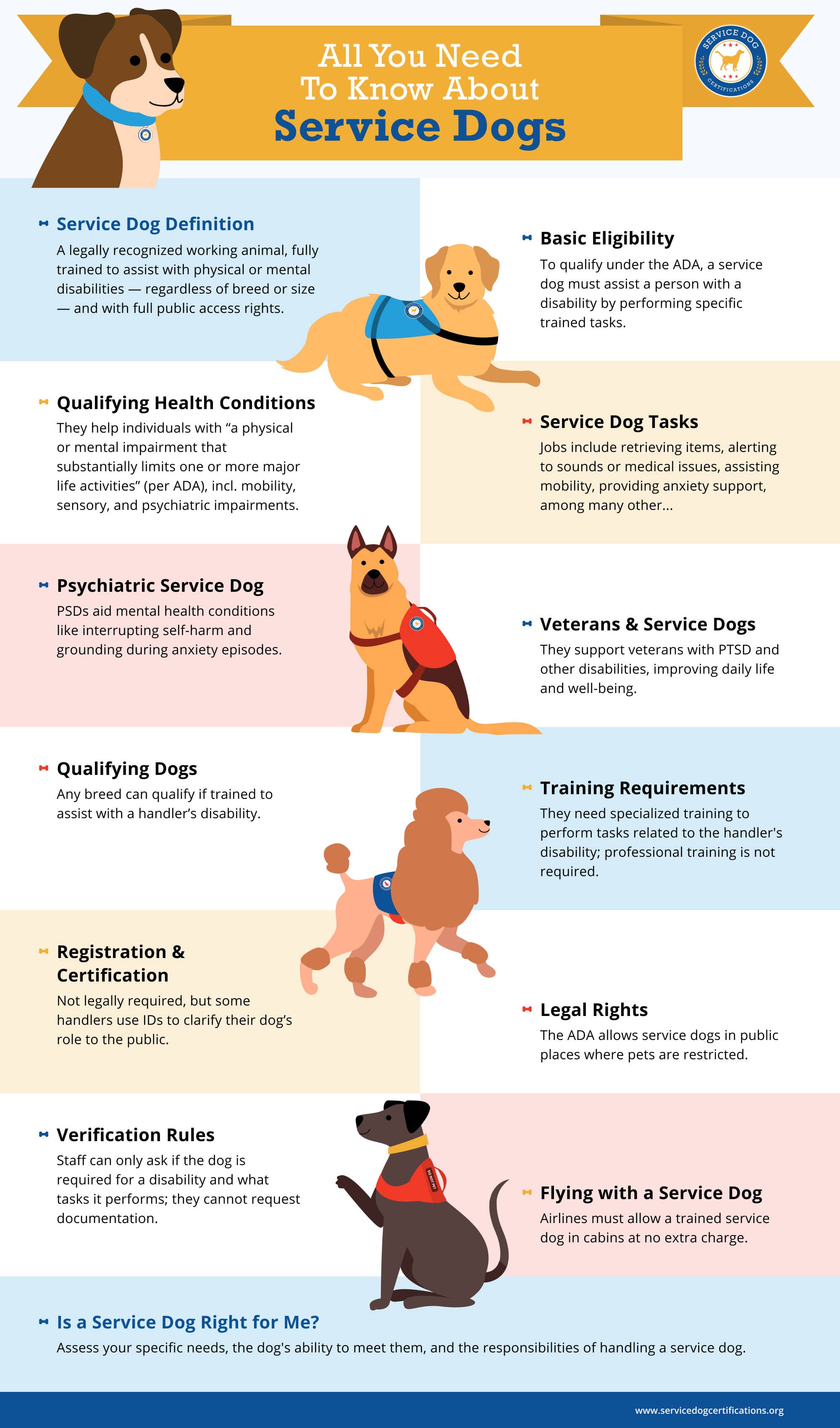
Psychiatric Service Dogs (PSDs) offer invaluable support to individuals managing mental health conditions. These highly trained canines are more than just pets; they are working partners legally recognized to perform specific tasks that mitigate their handler’s disability. Understanding Psychiatric Service Dog Training Programs is crucial for anyone considering this life-changing partnership. This guide delves into what makes a dog a PSD, the training involved, and how to find reputable programs.
What is a Psychiatric Service Dog?
A Psychiatric Service Dog is a canine specifically trained to perform tasks that help an individual with a mental health disability. Unlike Emotional Support Animals (ESAs), which provide comfort through their presence, PSDs are task-trained. This means they are taught specific actions to directly assist their handler. Examples of tasks include deep pressure therapy during a panic attack, alerting to oncoming episodes, interrupting self-harming behaviors, retrieving medication, or providing a grounding presence.
Legal Definitions and Protections
In the United States, the Americans with Disabilities Act (ADA) defines a service animal as a dog individually trained to do work or perform tasks for the benefit of an individual with a disability. This definition explicitly includes psychiatric service dogs. This legal standing grants PSDs access to public places where pets are typically prohibited and allows them to accompany their handlers in housing, regardless of pet policies. It’s important to note that ESAs do not have the same legal protections or task-specific training requirements as PSDs.
The Rigorous Training Process for Psychiatric Service Dogs
Training a psychiatric service dog is an intensive and lengthy process, often taking 1-2 years to complete. It involves multiple stages, focusing on foundational obedience, specialized task training, and public access socialization.
1. Foundational Obedience and Socialization
Before any specialized training begins, a PSD candidate must master basic obedience. This includes commands like sit, stay, come, down, and leave it, all performed reliably around distractions. Equally important is extensive socialization. This phase involves exposing the dog to a wide variety of environments, sounds, sights, and people in a positive and controlled manner. Early and consistent socialization is key to developing a confident, well-adjusted dog capable of remaining calm and focused in diverse settings. This phase is critical for a dog that may one day need to navigate busy public spaces.
2. Task-Specific Training
This is the core of PSD training, where the dog learns the specific tasks that will help their handler. Training is tailored to the individual’s needs, and tasks can vary widely.
- Alerting: Dogs can be trained to alert their handler to an impending mood swing, panic attack, or other psychological episode. This might involve nudging, pawing, or a specific vocalization.
- Deep Pressure Therapy (DPT): Many PSDs are trained to provide DPT by resting their weight on their handler’s lap or chest. This firm, calming pressure can help alleviate anxiety and panic symptoms.
- Interrupting Behaviors: For handlers who engage in repetitive or self-harming behaviors (like head banging or skin picking), PSDs can be trained to interrupt these actions with a gentle nudge or by redirecting their handler’s attention.
- Retrieving: PSDs can learn to retrieve specific medications, a phone, or water, which can be crucial during a crisis.
- Grounding: In dissociative states or during severe anxiety, a PSD can provide a grounding presence, often by leaning against their handler or licking their face.
The training for these tasks is highly individualized and requires patience, consistency, and a deep understanding of canine behavior. Repetition and positive reinforcement are paramount.
3. Public Access Training
Once task training is well underway, the dog enters public access training. This ensures the dog can behave impeccably in public spaces, regardless of the distractions present. This includes walking calmly on a leash, ignoring food on the floor, not reacting to other animals or people, and remaining quiet and unobtrusive. The dog must learn to focus solely on its handler and its tasks. This training is vital for the dog to be a safe and effective partner in everyday life.
Finding Reputable Psychiatric Service Dog Training Programs
Choosing the right training program is a critical decision. Not all programs are created equal, and it’s essential to find one that is ethical, experienced, and effective.
What to Look For in a Program
- Experienced Trainers: Look for programs with trainers who have extensive experience specifically with service dog training, particularly psychiatric service dogs.
- Individualized Training Plans: A reputable program will assess your specific needs and create a tailored training plan for your dog. They should not offer a one-size-fits-all approach.
- Focus on Positive Reinforcement: Ethical training methods rely on positive reinforcement, rewarding desired behaviors rather than punishing unwanted ones. This builds trust and a strong bond between dog and handler.
- Transparency: The program should be transparent about their training methods, timelines, costs, and success rates. They should be willing to answer all your questions.
- Handler Involvement: Good programs involve the handler throughout the training process, teaching them how to work with and manage their PSD. This ensures a successful partnership long after the formal training concludes.
- Certifications and Memberships: While there’s no government accreditation for service dog trainers, inquire about any professional affiliations or certifications they hold, such as with the Certification Council for Professional Dog Trainers (CCPDT) or the Association of Professional Dog Trainers (APDT).
Self-Training vs. Program Training
Some handlers choose to train their own PSDs. This path requires a significant commitment of time, patience, and a willingness to learn advanced training techniques. For handlers with severe disabilities, or those new to dog training, enrolling in a professional program might be a more realistic and effective option. If considering service dog training reno, ensure they specialize in PSDs. Similarly, if searching for a service dog trainer near me, verify their expertise in psychiatric service dogs.
The Role of the Handler in PSD Training
The handler plays an indispensable role in the success of a psychiatric service dog. The training is a partnership, and the handler must be actively involved and committed to the process.
Understanding Your Dog’s Needs
A deep understanding of your own disability and how your dog can assist is foundational. You need to be able to communicate your needs clearly to the trainer and practice the tasks consistently with your dog. This might include understanding when your dog is providing DPT, recognizing their alert behaviors, or cueing them to perform a specific task.
Ongoing Training and Maintenance
PSD training doesn’t end when the formal program is complete. Handlers must continue to reinforce learned behaviors and practice public access skills regularly. Dogs need ongoing mental stimulation and opportunities to practice their tasks to maintain their proficiency. Investing time in continued training and engagement will ensure your PSD remains a reliable and effective partner for years to come. If you are looking into dog training school near me for general obedience or advanced skills, ensure they understand the unique needs of service dogs.
Common Challenges and Considerations
While PSDs offer tremendous benefits, there are challenges to consider.
Cost of Training and Care
Psychiatric service dog training programs can be expensive, often ranging from $15,000 to $30,000 or more. This cost reflects the intensive training, specialized expertise, and ongoing support provided. Beyond the initial training, handlers are responsible for the dog’s ongoing care, including food, veterinary expenses, grooming, and equipment. Understanding the cost of dog training near me is an important first step in budgeting.
Legal Rights and Responsibilities
While PSDs have legal protections, handlers must ensure their dog is always under control and well-behaved. Misbehavior by a service dog can result in the handler being asked to remove the dog from the premises. It’s also important to be aware of local and state laws regarding service animals, as regulations can vary.
Finding a Suitable Dog
Not every dog is suited to be a psychiatric service dog. Temperament, health, and trainability are key factors. Reputable programs often have rigorous screening processes for selecting suitable canine candidates, sometimes working with breeders or rescue organizations that specialize in service dog prospects.
Conclusion: The Transformative Power of Psychiatric Service Dogs
Psychiatric service dogs are a testament to the profound bond between humans and canines. Through specialized training, these remarkable dogs become vital partners, offering tangible support and enhancing the quality of life for individuals with mental health disabilities. Understanding the commitment, training, and resources involved is the first step towards harnessing the transformative power of a psychiatric service dog. Whether you are looking for a service dog training certificate or a full training program, thorough research and a focus on ethical, effective training are paramount. The journey of training a PSD is one of dedication, partnership, and ultimately, immense reward.
