
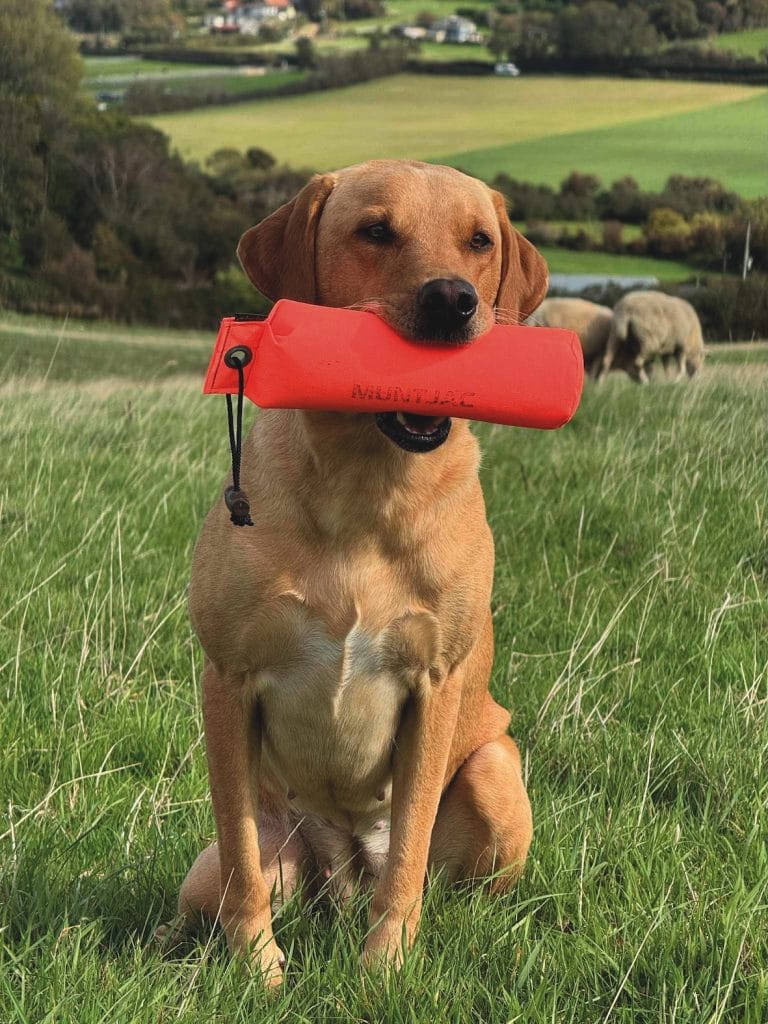
When embarking on the journey of protection dog training, having the right equipment is paramount. It’s not just about equipping your canine partner with skills; it’s about ensuring safety for both of you, facilitating effective training, and ultimately building a stronger, more reliable bond. This specialized training requires tools that are robust, reliable, and designed with the unique demands of protection work in mind. From sturdy bite suits to specialized leashes, each piece of gear plays a crucial role in shaping a well-trained and confident protection dog.
Understanding the Core Needs in Protection Training
Protection dog training is a demanding discipline that focuses on a dog’s ability to perceive, alert to, and, if necessary, deter a threat. This involves developing the dog’s courage, control, and a clear understanding of commands. The equipment used must support these development goals while prioritizing the well-being and safety of both the dog and the handler.
Why Specialized Equipment Matters
While everyday dog gear might suffice for basic obedience, protection training introduces scenarios that require enhanced durability and specific functionalities.
- Safety First: Equipment must prevent injury to the dog, especially during bite work. This includes padded gear that absorbs impact and durable materials that won’t tear or break under pressure.
- Effective Communication: Tools like specialized collars and leashes provide clear, consistent feedback to the dog, aiding in precise control and responsiveness.
- Building Confidence: The right gear can help a dog feel secure and confident during training exercises, encouraging them to perform at their best.
- Handler Control: For the handler, specialized equipment offers a secure grip and effective leverage, ensuring they can manage a powerful, working dog confidently.
Essential Protection Dog Training Equipment
The following items are considered foundational for anyone serious about protection dog training. Each serves a distinct purpose in the training process.
1. Bite Suits and Protective Gear
This is arguably the most critical category. Bite suits are designed to protect the decoy (the person working with the dog) from injury during bite work.
The Decoy’s Arsenal
- Full Bite Suits: These are thick, padded suits that cover the entire body. They are essential for full-contact bite training, allowing the decoy to simulate realistic scenarios. They come in various materials and levels of padding, from beginner suits to those used by professionals.
- Arm Guards and Leg Sleeves: For less intensive training sessions or when a full suit isn’t necessary, these provide targeted protection. They allow for more flexibility and are often used for introducing younger dogs to the concept of biting and holding.
- Mouth Togs/Suits: These are smaller, more manageable pieces of equipment that a dog can grip and shake, helping to develop a proper bite and hold. They are often made of jute or thick canvas.
Choosing the Right Protection
When selecting bite suits and protective gear, consider the experience level of the decoy and the training stage of the dog. Professional-grade suits offer the highest level of protection but can be expensive. For hobbyists or those starting out, more basic options may suffice, as long as they provide adequate safety.
2. Bite Development Tools
These tools are used to introduce and refine the dog’s biting and holding behaviors.
From Introduction to Refinement
- Bite Pillows/Wedges: These are typically made of durable canvas or jute, often filled with foam or other shock-absorbent materials. They are used to teach the dog to grip and hold, and to disengage on command. They offer a softer introduction to biting than a full suit.
- Jute or Canvas Sleeves: These are simpler than full suits, often worn on one arm. They are excellent for teaching the dog the proper angle of attack and the feel of a grip.
- Rope Tugs: While seemingly simple, a strong jute or nylon rope tug can be invaluable for building drive and teaching the dog to hold and release. Ensure it’s durable enough for strong grips.
3. Collars and Harnesses
While not unique to protection training, certain types of collars and harnesses are preferred for their control and safety features.
Control and Comfort
- Martingale Collars: These are effective for dogs that can slip out of traditional collars. They tighten slightly when the dog pulls, providing a gentle correction, but have a limiter to prevent them from overtightening.
- Herm Sprenger (Prong) Collars: Used responsibly and correctly, these collars can be highly effective for training dogs that are strong pullers or have significant behavioral challenges. Proper fitting and introduction are crucial to avoid injury.
- Control Harnesses: For dogs that are very strong pullers or for specific training exercises, a well-designed control harness can distribute pressure more evenly and provide better leverage for the handler. Look for options with a front and back leash attachment.
4. Leashes and Leads
Durability and a secure grip are key when choosing leashes for protection training.
Strength and Security
- Leather Leads: High-quality leather leads are incredibly durable and comfortable to hold. They offer a good balance of strength and flexibility. A
leather dog training leadcan be a valuable investment for its longevity and feel in hand. - Biothane or Nylon Leads: These synthetic materials are waterproof, easy to clean, and very strong. They are a practical choice for all weather conditions.
- Traffic Leads/Short Leads: A shorter lead (around 2-3 feet) is essential for maintaining close control in specific situations, such as in crowded areas or during certain training drills.
5. Muzzles
Muzzles are not for punishment; they are vital safety tools. They are used to prevent biting when necessary, for transport, or during veterinary visits.
Safety and Necessity
- Basket Muzzles: These are the preferred type of muzzle for training and general use. They allow the dog to pant, drink, and even take treats, ensuring their comfort and safety while preventing them from biting. Ensure a proper fit.
Integrating Equipment into Training
Simply owning the equipment isn’t enough; it must be integrated thoughtfully into the training plan.
Gradual Introduction
Always introduce new equipment gradually. Allow your dog to see, smell, and become comfortable with new items. For protective gear, start with short durations and positive reinforcement.
Professional Guidance
Protection dog training is complex and carries risks if done improperly. Seeking guidance from a certified professional trainer is highly recommended. They can advise on the best equipment for your specific needs and teach you how to use it effectively and safely. This is especially true when considering advanced techniques or if your dog is intended for licensed therapy dog training or self-training service dog roles, where specific protocols are crucial.
Consistency is Key
Ensure that all handlers use the equipment consistently and according to the training plan. This reinforces the commands and expectations for the dog.
Advanced Equipment and Considerations
As training progresses, you might encounter specialized items designed for specific advanced techniques.
- Bite Suits for Specific Breeds/Training: Some suits are designed with specific materials or features that might be better suited for certain breeds or types of protection work.
- Tracking Harnesses: If scent work is part of the protection training, a specialized tracking harness can provide comfort and freedom of movement for the dog.
- Agitation Belts: These are used in some training scenarios to allow the dog to grip and pull a moving target.
For those running a professional dog training business insurance is also a critical consideration, ensuring liability is covered, especially when using specialized equipment that could potentially be involved in an incident.
Conclusion: Building a Safer Partnership
The right Protection Dog Training Equipment is an investment in safety, effectiveness, and the overall success of your training program. It’s about building a partnership founded on trust, clear communication, and mutual respect. By understanding the purpose of each tool and using it responsibly, you can help your canine companion reach their full potential as a confident and reliable protector. Remember, the ultimate goal is not just a trained dog, but a safe and harmonious relationship.
