
Welcome to the world of dog training, where understanding your canine companion is key to a harmonious life together. Many owners grapple with common behavioral issues, from excessive pulling on the leash to stubbornness during walks. If you’ve found yourself in such situations, you might have heard about or even considered using a prong collar. This guide is designed to shed light on Prong Collar Dog Training, exploring its effectiveness, proper usage, and safety considerations, all while keeping the well-being of your dog at the forefront. We aim to equip you with the knowledge to make informed decisions about your dog’s training journey.
Understanding the Prong Collar: What It Is and How It Works
A prong collar, also known as a pinch collar, is a training tool that consists of a metal chain with blunt prongs. When the dog pulls on the leash, the prongs gently pinch the dog’s neck. This is intended to create a mild discomfort, acting as a signal to the dog to stop pulling. The core principle behind its use in dog training is to provide immediate feedback, discouraging unwanted behaviors like lunging or excessive pulling, and encouraging a looser, more responsive leash. It’s crucial to understand that the discomfort is designed to be a deterrent, not a punishment, aiming to redirect the dog’s attention and guide them towards the desired behavior.
The Science Behind Prong Collars: Positive and Negative Reinforcement
The effectiveness of prong collars is often discussed in the context of operant conditioning. When used correctly, a prong collar can be seen as a tool for negative punishment or positive reinforcement, depending on the handler’s approach.
- Negative Punishment: In this scenario, the discomfort from the prong collar is applied when the dog pulls. When the dog stops pulling, the pressure is released, removing the unpleasant sensation. This is seen as “negative” because something (discomfort) is being removed, and “punishment” because it aims to decrease a behavior (pulling).
- Positive Reinforcement: Alternatively, prong collars can be used in conjunction with positive reinforcement. When the dog walks nicely with a loose leash, they are rewarded with praise, treats, or a favorite toy. This positive reinforcement strengthens the desired behavior, making it more likely to occur in the future.
It’s important to note that some trainers advocate solely for positive reinforcement methods, while others find prong collars effective when used as part of a balanced training approach. The key lies in understanding how dogs learn and applying methods that are both effective and humane. The goal is always to build a strong bond with your dog based on trust and clear communication.
When to Consider Prong Collar Dog Training
Prong collars are typically considered for dogs that exhibit persistent pulling on the leash, making walks stressful or even unmanageable for the owner. This is especially true for strong, large-breed dogs that can overpower a handler with standard collars. Other situations where a prong collar might be considered include:
- Dogs with high prey drive: For dogs that tend to lunge at squirrels, cats, or other triggers, a prong collar can provide better control.
- Dogs that are escape artists: If a dog has a history of slipping out of a regular collar, a properly fitted prong collar can offer a more secure fit.
- Dogs with stubborn tendencies: In some cases, persistent stubbornness that doesn’t respond to other methods might lead trainers to consider a prong collar.
However, it is highly recommended to consult with a professional dog trainer or behaviorist before using a prong collar. They can assess your dog’s specific needs and help you determine if this tool is appropriate, and if so, how to use it safely and effectively. Proper fitting and consistent, correct application are paramount to avoiding injury or negative behavioral outcomes. For instance, a dog that pulls excessively may benefit from structured leash walking, and understanding the mechanics of leash pulling can be a crucial first step.
Proper Fitting and Application: A Step-by-Step Guide
Using a prong collar correctly is non-negotiable for your dog’s safety and the effectiveness of the training. An improperly fitted or misused prong collar can cause injury and create negative associations with training.
Step 1: Measuring for the Correct Fit
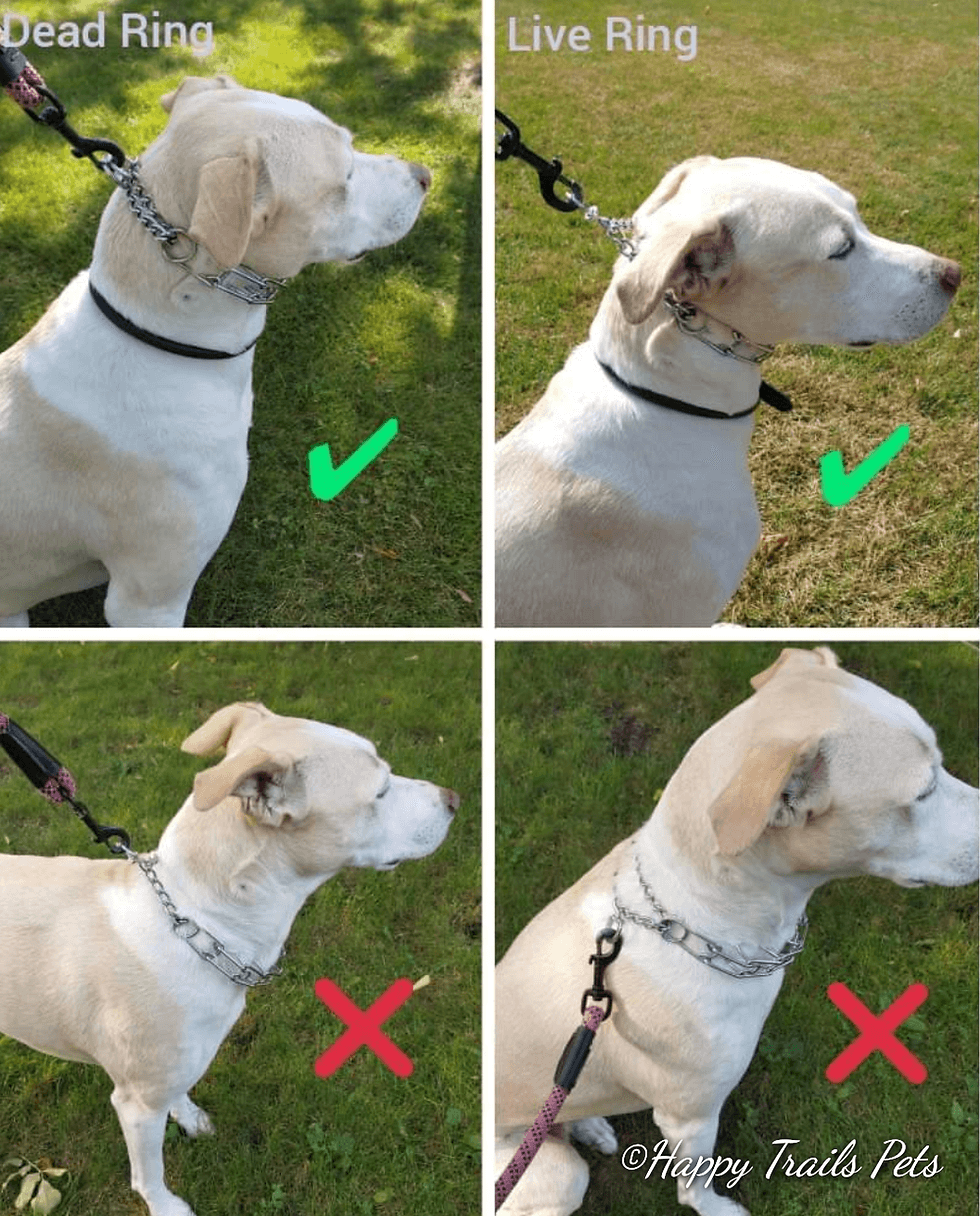
- Locate the trachea: The collar should rest high on the neck, just behind the ears, near the dog’s Adam’s apple (trachea). This is the most sensitive area and where the pressure will be most effective and least harmful.
- Measure neck circumference: Use a soft measuring tape to measure the dog’s neck where the collar will sit.
- Add allowance: Add about two inches to the measurement. The collar should be snug but not tight. You should be able to comfortably fit two fingers between the collar and the dog’s neck.
- Collar size: Choose a prong collar that is appropriately sized for your dog’s neck, with enough links to achieve the correct fit. Most prong collars come with extra links that can be added or removed.
Step 2: Assembling and Adjusting the Collar
- Link removal/addition: If the collar is too large, remove links by opening them with pliers. If it’s too small, you may need to purchase additional links.
- D-ring placement: The D-ring (where the leash attaches) should be centered on the back of the dog’s neck. Ensure it’s not twisted.
- Prong positioning: All prongs should point downwards, towards the dog’s neck, not outwards or into the fur.
Step 3: Putting the Collar On Your Dog
- Open the collar: Most prong collars have a center O-ring and a sliding bar. You’ll typically need to open the collar by undoing a link or using a quick-release buckle if available.
- Positioning: Gently place the collar around the dog’s neck, ensuring it’s high and snug.
- Secure: Reconnect the links or buckle to close the collar. Double-check the fit by giving it a gentle tug. It should not slide down the dog’s neck.
Step 4: Attaching the Leash and Initial Use
- Leash attachment: Attach the leash to the D-ring.
- Gentle correction: When the dog pulls, apply a gentle, quick “snap” of the leash. The pressure should be immediate and then immediately released when the dog responds by slackening the leash. The goal is to teach the dog that pulling stops the forward movement and a relaxed leash resumes it.
- Consistency is key: Every walk is a training opportunity. Be consistent with your commands and corrections.
Important Considerations:
- Never leave a prong collar on unattended: Dogs can get caught on objects, leading to injury.
- Not for young puppies: Puppies’ necks are still developing, and a prong collar can cause damage. Wait until their skeletal structure is more mature.
- Not for dogs with neck injuries or medical conditions: Always consult your veterinarian before using any training collar on a dog with health issues.
Alternatives to Prong Collars: Exploring Other Training Tools
While prong collars can be effective for some dogs and handlers, they are not the only option. Many trainers advocate for a range of alternative tools that can achieve similar results without the potential risks associated with prong collars.
- Martingale Collars: These collars are designed to tighten slightly when the dog pulls but will not choke them. They are a good option for dogs with slender heads, like sighthounds, as they prevent escape.
- Head Halters (e.g., Gentle Leader, Halti): These work by guiding the dog’s head. When the dog pulls, their head is gently turned back towards the handler, discouraging forward movement. Many dogs adapt well to head halters, and they can be very effective for strong pullers.
- Front-Clip Harnesses: These harnesses have a leash attachment point on the dog’s chest. When the dog pulls, they are gently turned back towards the handler, much like a head halter. This is a popular choice for many owners seeking a less invasive tool than a prong collar. Understanding the nuances of dog body language can significantly help in choosing the right tool.
- Back-Clip Harnesses: While less effective for pulling, these harnesses can be useful for distributing pressure across the dog’s chest, especially for dogs with respiratory issues. They are generally used in conjunction with other training methods for leash manners.
The choice of training tool often depends on the individual dog, the handler’s experience, and the specific behavioral challenges. For instance, if your dog’s pulling is a result of excitement, then engaging them in structured dog training phoenix arizona programs or puppy group training classes near me could be beneficial.
Safety and Ethical Considerations
The use of prong collars remains a topic of debate within the dog training community. Critics argue that they can cause physical pain, psychological distress, and even lead to aggression if misused. Proponents, however, maintain that when used correctly by experienced handlers, they are a safe and effective tool for managing difficult behaviors.
Potential Risks
- Physical Injury: Improper fitting, excessive force, or leaving the collar on unsupervised can lead to neck injuries, tracheal damage, or even spinal issues.
- Psychological Harm: Fear, anxiety, and a breakdown of the human-animal bond can result from aversive training methods. Dogs may become less trusting of their handlers or develop new behavioral problems.
- Aggression: A dog experiencing pain or fear may react aggressively to perceived threats, including their handler or other animals.
Ethical Use and Best Practices
- Expert Guidance: Always seek advice from a certified professional dog trainer or a veterinary behaviorist experienced in using aversive tools. They can assess if a prong collar is appropriate for your dog and guide you through proper usage.
- Positive Reinforcement First: Prioritize positive reinforcement and reward-based training methods. Prong collars should generally be considered only after other methods have been explored and deemed insufficient.
- Short-Term Tool: If a prong collar is used, it should be as a temporary aid to teach desired behaviors, not as a permanent fixture. The goal is to transition to a less restrictive tool once the dog has learned appropriate leash manners.
- Observe Your Dog: Pay close attention to your dog’s body language. Signs of stress, fear, or discomfort should prompt you to re-evaluate the training method.
Ultimately, the ethical use of any training tool hinges on prioritizing the dog’s welfare. A prong collar, like any tool, can be used for good or ill. Responsible ownership means making choices that foster a trusting relationship and ensure your dog’s physical and emotional health. For those seeking effective training solutions, exploring options like the petspy dog training collar or even a dog training collar with spikes (which are often synonymous with prong collars) requires careful consideration and professional input.
Building a Stronger Bond Through Training
Regardless of the tools you choose, the ultimate goal of dog training is to build a stronger, more trusting relationship with your canine companion. A well-trained dog is a joy to live with, and the process of training itself can be a deeply rewarding experience for both dog and owner.
When training your dog, remember that patience, consistency, and understanding are your most powerful allies. Celebrate small victories, learn from setbacks, and always strive to communicate with your dog in a way they can understand. Whether you are working on basic obedience or addressing specific behavioral challenges, the journey of training is a testament to the unique bond we share with our dogs. By approaching training with compassion and a commitment to your dog’s well-being, you can unlock their full potential and create a lifetime of happy memories together. Remember, a well-behaved dog is not just about obedience; it’s about a partnership built on mutual respect and understanding.
