
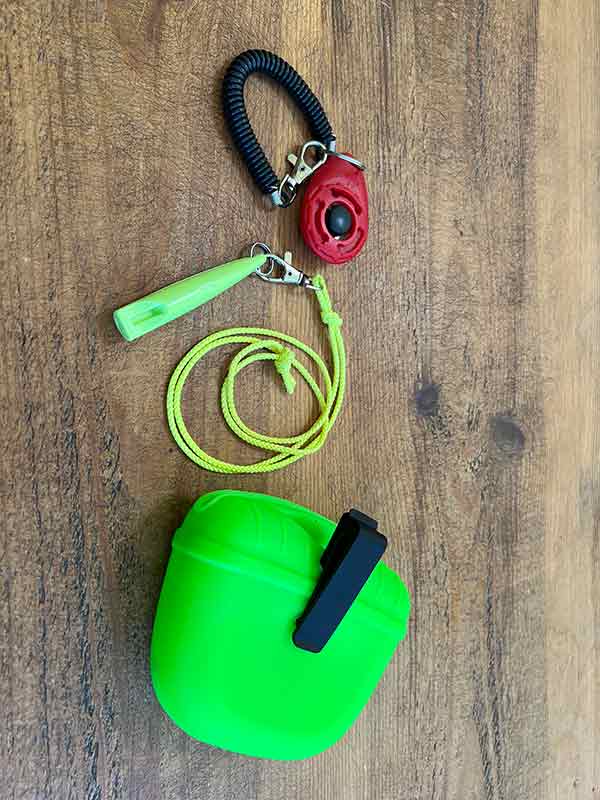
As a dedicated dog owner or a professional trainer, you understand the critical role of positive reinforcement in shaping a well-behaved canine companion. At the heart of effective training lies the swift and appropriate delivery of rewards, and for this, the humble treat pouch is an indispensable tool. But not all treat pouches are created equal. For those serious about professional dog training, a specialized treat pouch offers distinct advantages. This guide delves deep into what makes a treat pouch “professional,” how to choose the best one for your needs, and why it’s a game-changer for your training sessions.
Why a Professional Treat Pouch Matters in Dog Training
You might be wondering, “Why can’t I just use any old bag?” While a regular bag might suffice for a quick walk, a Professional Dog Training Treat Pouch is designed with the specific demands of training in mind. These pouches are built for speed, accessibility, durability, and versatility, all crucial when you’re working with dogs.
- Speed and Accessibility: In training, timing is everything. A dog performs a desired behavior, and the treat needs to be in their mouth immediately to create a strong association. Professional pouches allow for one-handed, quick access to treats, so you never miss that crucial training moment.
- Durability: Training sessions can be rigorous. Your pouch will be opened and closed countless times, potentially exposed to dirt, water, and enthusiastic puppy teeth. Professional pouches are constructed from robust materials designed to withstand this wear and tear.
- Organization: Beyond just treats, professional pouches often feature multiple compartments. This allows you to carry clickers, small toys, waste bags, and other essentials, keeping everything you need for a successful training session organized and within reach.
- Hygiene: Many professional treat pouches are lined with waterproof or easily washable materials, making them simple to clean after messy treat encounters.
Key Features to Look for in a Professional Dog Training Treat Pouch
When you’re investing in a tool that will be a constant companion on your training journey, it’s wise to know what features truly matter. Here’s a breakdown of what to seek in a high-quality professional dog training treat pouch:
Material and Construction
The foundation of any good pouch is its material. Look for:
- Durable Fabrics: Nylon (especially high-denier variants like Cordura or ballistic nylon), waterproof canvas, and robust polyester are excellent choices. These materials resist tearing, abrasion, and moisture.
- Reinforced Stitching: Check for double or triple stitching, particularly at stress points like seams, strap attachments, and the opening of the main compartment.
- Waterproof/Water-Resistant Lining: This is crucial for preventing oils from treats from soaking through and making the pouch easier to clean.
Closure Mechanisms
How the pouch opens and closes significantly impacts speed and security. Consider:
- Spring-Loaded Clamshell/Openings: These allow for effortless one-handed access and keep the pouch open for quick treat retrieval. Many professional pouches have this design.
- Drawstrings: A simple and effective way to keep treats secure. Some pouches combine a drawstring with a flap for added security.
- Magnetic Closures: Offer a good balance of quick access and security, though they might be less secure than spring-loaded or drawstring options for very active scenarios.
- Zippers: Useful for securing items like keys or a wallet, but can be slower for treat access. Look for smooth-gliding, durable zippers.
Size and Compartments
Think about what you typically carry and how much space you need:
- Main Treat Compartment: Should be spacious enough to hold a generous amount of treats for extended training sessions, but not so large that treats get lost or fall out.
- Additional Pockets/Compartments: Many professional pouches include smaller zippered or slip pockets for:
- Clickers
- Training whistles
- Waste bags
- Keys
- A small phone or treats that need to be kept separate (e.g., high-value treats).
- Exterior D-rings or Loops: Useful for attaching carabiners, training aids, or even a spare leash.
How to Wear It: Attachment Options
The way the pouch attaches to you impacts comfort and convenience:
- Waist Belt/Strap: Adjustable, sturdy straps that secure around the waist are very common. Look for comfortable padding and secure buckle closures. Some belts are designed to be worn higher or lower on the waist.
- Clip-On: Many pouches come with a strong clip that can attach directly to your pants pocket, belt, or a backpack strap. This is convenient for quick changes or if you prefer not to wear a belt.
- Shoulder/Crossbody Strap: Less common for professional training but available for some models. Can be good for distribution of weight but might be less practical for quick movements.
Top Uses for a Professional Dog Training Treat Pouch
Beyond just carrying treats, these versatile pouches are essential for various training contexts and scenarios:
Everyday Training Reinforcement
Whether you’re working on basic obedience, house training a puppy, or refining leash manners, having treats readily accessible ensures you can reward good behavior the moment it happens. This is fundamental for how can you train your dog effectively.
Advanced Obedience and Skill Training
For more complex training, such as agility, scent work, or advanced obedience, you’ll need a steady supply of high-value rewards. A professional pouch ensures you’re never caught short, allowing for extended practice sessions. This is where understanding how much does dog obedience training cost can also inform your investment in quality tools.
Dealing with Reactive Dogs
Training a reactive dog often involves management and rewarding calm behavior in the presence of triggers. A professional treat pouch allows for rapid deployment of treats to redirect attention and reward a desired response, which is critical when mastering how to train a reactive dog on leash.
Specialized Training (e.g., Hunting Dogs)
For specific disciplines like hunting dog training, specialized gear is often required. While a general professional pouch is excellent, some may opt for specific hunting dog training gear that integrates treat carrying with other tools. However, a good universal pouch can often suffice.
Group Classes and Consultations
If you’re a professional trainer or attend group classes, a reliable treat pouch is non-negotiable. It allows you to manage multiple dogs, reward quick learning, and keep your hands free to guide handlers or physically manage dogs. This is especially relevant when looking for dog obedience training near me Brooklyn or any other location, as trainers will invariably use such tools.
Tips for Maximizing Your Treat Pouch’s Effectiveness
Owning a great treat pouch is only half the battle; using it wisely is key.
- Keep it Stocked: Always ensure your pouch is filled with appropriate treats before heading out for a training session.
- Variety is Key: Use a mix of treats. High-value rewards (like small pieces of cooked chicken or cheese) are excellent for challenging training situations, while lower-value, everyday treats work well for general reinforcement.
- One-Handed Operation: Practice opening and closing the pouch with one hand so your other hand remains free for praise, petting, or leash control.
- Keep it Clean: Regularly empty and clean your pouch to prevent stale treats, odors, and potential mold. A quick wipe-down or machine wash (if the material allows) goes a long way.
- Secure Your Essentials: Utilize the extra pockets for your clicker, keys, or poop bags so you don’t have to carry them separately.
- Positioning Matters: Experiment with how you wear the pouch. Some prefer it at the hip, others slightly forward. Find the most comfortable and accessible position for you.
Frequently Asked Questions About Professional Dog Training Treat Pouches
Q1: What is the primary benefit of a professional dog training treat pouch compared to a regular bag?
A professional pouch is specifically designed for quick, one-handed access to treats, durability, and organization, which are essential for effective and efficient dog training. Regular bags lack these specialized features.
Q2: Are professional treat pouches waterproof?
Many professional treat pouches are water-resistant or have waterproof linings to protect the treats and make cleaning easier. Always check the product description for material specifications.
Q3: How much do professional dog training treat pouches typically cost?
Prices can range from $15 to $50 or more, depending on the brand, materials, features, and complexity of the design. Investing in a mid-to-high range pouch generally ensures better durability and functionality.
Q4: Can I wash my treat pouch in the washing machine?
Some pouches are machine washable, while others require handwashing. Always refer to the manufacturer’s care instructions to avoid damaging the material or closure mechanisms.
Q5: What kind of treats should I use in my treat pouch?
Use small, soft, high-value treats that your dog loves. Avoid crumbly treats that can make a mess. It’s advisable to use a variety of treats for different training challenges.
In conclusion, a professional dog training treat pouch is more than just an accessory; it’s a vital tool that enhances the efficiency and effectiveness of your training efforts. By understanding the key features and selecting a pouch that meets your specific needs, you’ll be better equipped to communicate with your dog, reinforce desired behaviors, and build a stronger, more harmonious relationship. Happy training!
