
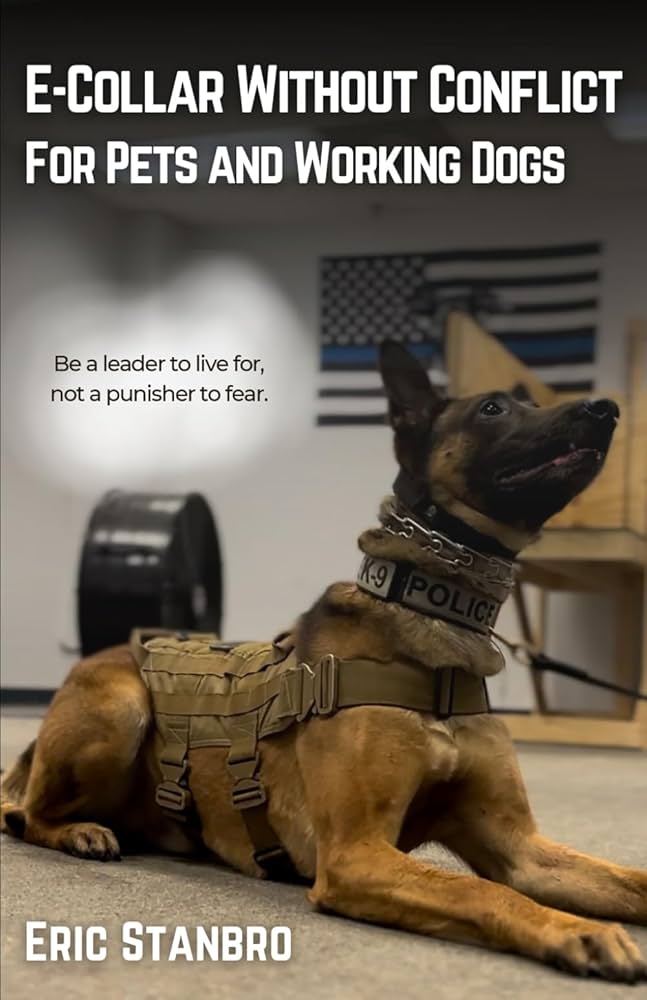
Unlocking your dog’s potential goes beyond basic obedience; it involves engaging their minds and bodies with the right tools. Professional Dog Training Toys are specifically designed not just for play, but as sophisticated instruments to facilitate learning, boost cognitive function, and strengthen the bond between you and your furry companion. Whether you’re a seasoned trainer or a dedicated pet owner, understanding the role and selection of these specialized toys is key to a more fulfilling training experience.
The Science Behind Training Toys
Training toys are more than just playthings; they are carefully crafted tools that tap into a dog’s natural instincts and learning capabilities. They leverage a dog’s drive to work, their problem-solving skills, and their desire for rewards.
- Motivation and Reward: Toys serve as powerful motivators. The act of retrieving, chewing, or manipulating a toy can be a highly effective reward for a job well done, making training sessions more exciting and productive. This positive reinforcement is crucial for effective dog training.
- Cognitive Stimulation: Many professional training toys are designed to challenge a dog’s intellect. Puzzle toys, for instance, require dogs to figure out how to access treats, thereby honing their problem-solving abilities and preventing boredom-related behavioral issues. This mental workout is as important as physical exercise for a dog’s overall well-being.
- Instinctual Drives: Toys can satisfy a dog’s natural predatory or prey drive in a controlled and constructive manner. Fetching, tugging, and chasing are all activities that mimic natural behaviors, providing a healthy outlet for these instincts.
Types of Professional Dog Training Toys
The market offers a diverse range of toys, each serving a specific purpose in a dog’s training regimen. Selecting the right toy depends on the training goal, the dog’s breed, age, and temperament.
Interactive Puzzle Toys
These toys are designed to dispense treats or kibble as the dog manipulates them, encouraging problem-solving and patience.
- Kongs: A classic for a reason, KONGs can be stuffed with various treats and food, providing a challenging and rewarding activity that can keep a dog occupied for extended periods.
- Food Dispensing Balls: Balls with openings that release food as they are rolled or bounced are excellent for encouraging activity and mental engagement during training sessions or even as a standalone activity.
- Nesting or Sliding Puzzles: These toys present a more complex challenge, often involving multiple steps or compartments that a dog must figure out to get to the reward.
Tug Toys
Tug toys are essential for developing bite inhibition, impulse control, and reinforcing the handler’s leadership. A well-played game of tug can be an incredible bonding experience.
- Rope Toys: Durable and satisfying for chewing, rope toys are excellent for gentle tugging and can also help clean a dog’s teeth.
- Rubber or Fabric Tugs: These come in various shapes and sizes, offering different textures and grips for both the dog and the handler. It’s important to use these toys with clear rules and boundaries to maintain control.
Fetch and Retrieval Toys
Fetch is a fundamental training exercise that improves a dog’s focus, recall, and physical fitness.
- Durable Balls: Balls made from robust materials that can withstand vigorous play are ideal. Consider the size of the ball in relation to your dog’s mouth to prevent choking hazards.
- Frisbees and Flying Discs: These add an element of pursuit and aerial agility to fetch, making it more dynamic and engaging, especially for athletic breeds.
- Scent Training Tools: Tools like scent balls or discs are used in nose work and scent detection training, helping dogs develop their olfactory senses.
Agility and Obstacle Toys
For dogs involved in canine sports or those needing advanced physical and mental challenges, agility equipment and related toys are invaluable.
- Tunnels: Dogs can be trained to run through tunnels, which is a common obstacle in agility courses.
- Jumps and Weave Poles: While these are larger pieces of equipment, smaller, introductory versions or toys that mimic their function can be used for training.
Choosing the Right Training Toy
Selecting the appropriate training toy involves considering several factors to ensure safety, effectiveness, and engagement.
Safety First
- Material: Opt for toys made from non-toxic, durable materials. Avoid toys with small, detachable parts that could be ingested.
- Size: The toy should be appropriately sized for your dog to prevent choking or swallowing.
- Durability: Choose toys that can withstand your dog’s chewing habits without breaking into sharp pieces. If a toy becomes damaged, discard it immediately.
Match the Toy to the Training Goal
- Basic Obedience: For rewarding a sit or stay, a small, high-value treat dispensed from a puzzle toy or a quick game of tug can be effective.
- Recall: A favorite fetch toy can be a great incentive for a dog to come when called.
- Impulse Control: Tug toys are excellent for teaching dogs to release on command.
- Scent Work: Specialized scent toys and training kits are necessary for developing a dog’s nose.
Consider Your Dog’s Preferences
Every dog is an individual. Observe your dog’s play style and preferences. Some dogs are natural retrievers, while others prefer puzzle-solving or tugging games. Incorporating their natural inclinations into training makes the process more enjoyable for both of you. For instance, if you have a breed known for its intelligence and problem-solving skills, you might lean towards more complex puzzle toys, similar to how the good dog training philosophy emphasizes engaging a dog’s mind.
Integrating Toys into Your Training Routine
Professional dog training toys are most effective when used purposefully within a structured training plan.
Establish Clear Rules
- “Take it” and “Leave it”: Teach your dog to take the toy when offered and to leave it when instructed. This is fundamental for impulse control.
- Tug-of-War Etiquette: If playing tug, teach your dog to release the toy on command. Always end the game by taking the toy from your dog, reinforcing that you are in control.
- Toy Management: Decide whether toys are available all the time or only during training sessions. For many, keeping high-value training toys reserved for training time enhances their motivational power.
Use Toys as Rewards
- Positive Reinforcement: Instead of just treats, use a favorite toy as a reward for successful completion of commands or tasks. A short, enthusiastic play session can be incredibly reinforcing.
- Vary Rewards: Rotate between treats and toys to keep your dog engaged and to prevent them from becoming desensitized to any single reward.
Mental Stimulation and Enrichment
- Scheduled Playtime: Incorporate toy-based training sessions into your daily routine. Even 10-15 minutes of focused play can make a significant difference in a dog’s mental state.
- Problem-Solving Activities: Use puzzle toys to provide mental stimulation when you can’t actively train or play with your dog. This is particularly helpful for breeds known to be the easiest dog breed to train as they often require consistent mental challenges.
Advanced Training Techniques with Toys
Once basic training is established, professional toys can be used for more advanced applications.
Scent Work and Nose Games
Utilizing toys that hold scents can introduce dogs to the exciting world of nose work. Hiding scented toys and encouraging your dog to find them sharpens their natural abilities and builds confidence. This is a fantastic way to build upon foundational skills, much like understanding what is balanced dog training sets the stage for more complex behaviors.
Overcoming Behavioral Challenges
- Separation Anxiety: Specially designed, long-lasting puzzle toys can help keep a dog occupied and less anxious when left alone. For more severe cases, consult resources on how to train dog with separation anxiety.
- Excessive Barking: While not a direct solution, redirecting a dog’s energy and focus towards a training toy when they are about to bark excessively can be part of a broader strategy to train your dog to stop barking.
Conclusion: The Integral Role of Training Toys
Professional dog training toys are indispensable tools for any owner serious about their dog’s development. They transform training from a chore into an engaging, rewarding, and bonding activity. By understanding the types of toys available, prioritizing safety, and integrating them thoughtfully into your training routine, you can unlock new levels of communication, obedience, and companionship with your canine friend. Investing in quality training toys is an investment in a well-behaved, happy, and mentally stimulated dog, enriching both your lives immeasurably.
