
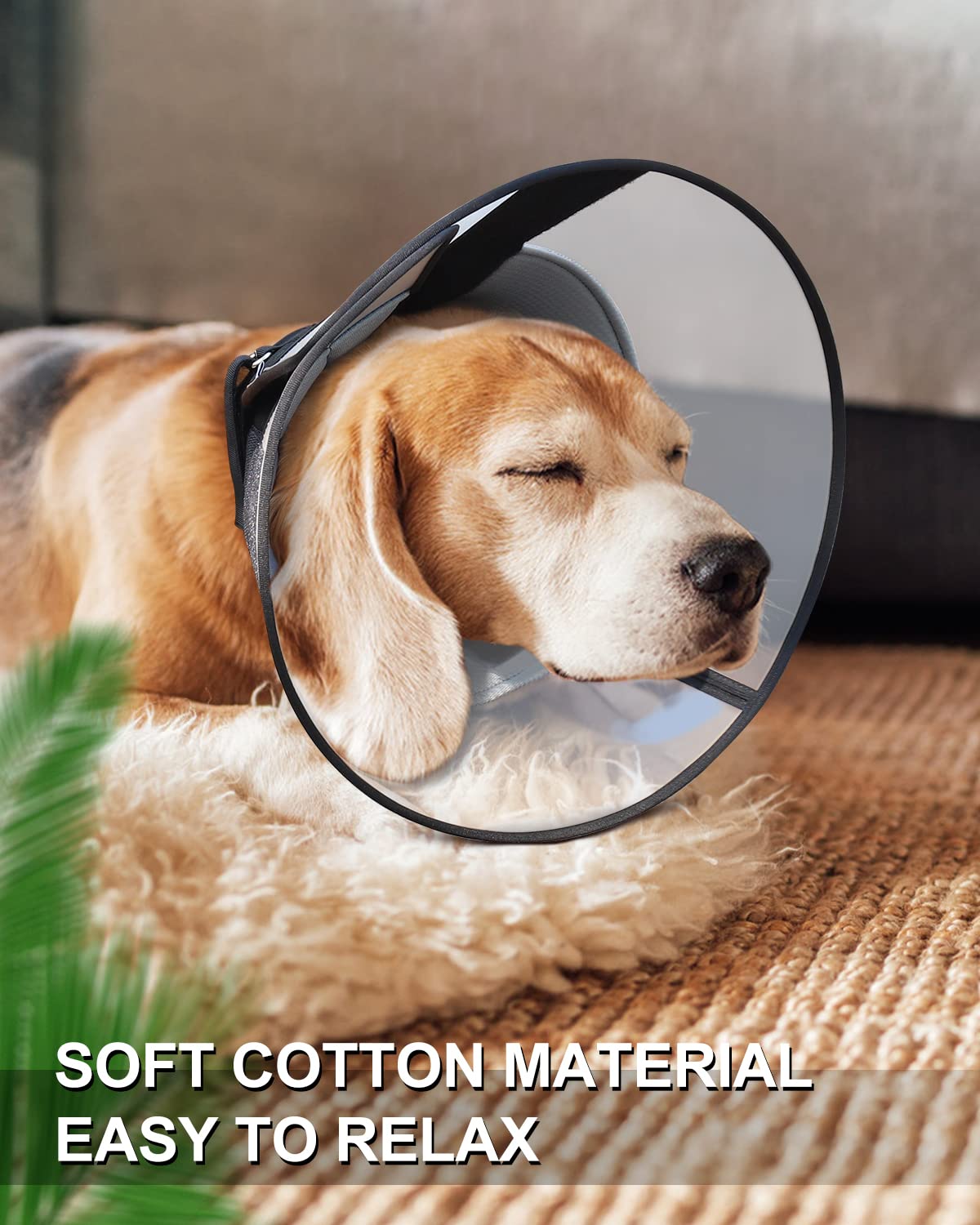
Bringing a new puppy home is an exciting time, and ensuring their health and well-being is paramount. Sometimes, despite our best efforts, our canine companions may require medical procedures or experience injuries that necessitate the use of recovery aids. Understanding how to prepare your dog for these items, such as Elizabethan collars (often called e-collars, cones, or recovery collars), can significantly reduce stress for both pet and owner during the healing process. This article explores effective strategies for introducing your dog to these devices, focusing on proactive training and helpful tips for making the recovery period as comfortable as possible.
The goal is to approach any necessary veterinary procedure with preparedness, training your dog for the event before it happens, rather than dealing with the aftermath. This proactive mindset is key to minimizing distress when you bring your beloved pet home after a surgery or when they need to wear a cone for an extended period.
Understanding Dog Recovery Options
The veterinary field offers a variety of devices designed to aid a dog’s healing after surgery or injury. While the traditional hard plastic Elizabethan collar is common, newer alternatives are also available, aiming to provide comfort and prevent licking or chewing at wounds.
The Traditional Elizabethan Collar (Cone)
The hard plastic cone collar, while sometimes perceived as cumbersome, remains a staple in post-operative care. Its wide, rigid design effectively prevents a dog from reaching surgical sites, licking wounds, or chewing sutures. However, these collars can impede a dog’s ability to eat, drink, and navigate their environment, leading to frustration.
Alternatives to the Cone Collar
- Soft Collars: These are typically made of padded fabric and offer more flexibility than plastic cones. They can be effective for less severe wounds or for dogs who are not persistent chewers.
- Inflatable Collars: These collars resemble donuts and provide a cushioned barrier around the neck. They allow more freedom of movement and eating but may not be suitable for dogs determined to reach their wounds.
- Surgical Suits/Bodysuits: These garments cover the dog’s torso and can protect incisions on the body or legs. They are a good option for dogs who are bothered by collars.
- Recovery Muzzles: Specialized muzzles can be used to prevent licking of specific areas, though they are less common for general post-operative recovery.
Preparing Your Dog for a Cone Collar
The key to a successful recovery with a cone collar lies in desensitization and counter-conditioning before the need arises. The video embedded in the original article demonstrates training techniques that can make the Elizabethan collar a non-event for your pup.
Here’s how you can prepare your dog:
- Introduction: Let your dog see and sniff the cone collar without any pressure. Offer high-value treats and praise when they are calm around it.
- Short Wear Periods: Begin by placing the collar on your dog for very short durations (a few seconds to a minute) while you are present and able to offer positive reinforcement. Gradually increase the time.
- Association with Positive Experiences: Pair the cone collar with enjoyable activities. For example, put the cone on briefly before mealtime or a short play session. This helps create a positive association.
- Practice Normal Activities: Once your dog is more comfortable, encourage them to eat, drink, and walk a short distance while wearing the cone. Ensure they can comfortably access their food and water bowls. If not, consider elevated bowls or a softer alternative. For those seeking premium pet accessories to make your dog’s life more comfortable, exploring options like a luxury dog harness and leash can enhance their overall experience.
- Ensure Proper Fit: A poorly fitting cone can be more irritating than helpful. It should be snug enough to prevent reaching wounds but not so tight that it restricts breathing or causes discomfort.
Tips for Surviving with a Cone Collar
If your dog needs to wear a cone collar for an extended period, here are some tips to help you both navigate the situation:
- Monitor Closely: Keep a close eye on your dog, especially during the initial days. Watch for signs of distress, irritation, or difficulty performing basic functions.
- Adapt Feeding and Drinking: You may need to adjust how you offer food and water. Consider using shallow bowls or hand-feeding to make it easier for your dog to eat and drink. Some owners find that temporarily removing the cone for meals can help, provided the dog is supervised and does not attempt to lick the wound.
- Create a Safe Space: Provide a comfortable and quiet place for your dog to rest. Ensure their bed is easily accessible and doesn’t require them to navigate tight spaces with the cone on.
- Exercise Modifications: Short, gentle walks may still be possible, but avoid rough play or activities that could cause the cone to get caught. If you are looking for supplies to manage your dog’s needs, the best online dog supply store often has a wide selection of recovery aids and comfortable pet products.
- Grooming and Hygiene: Keep the area around the surgical site clean and dry as instructed by your veterinarian. Be mindful of the cone when grooming other parts of your dog’s body.
- Socialization (Carefully): If your dog is part of a multi-pet household, ensure other pets are gentle and do not bother the recovering dog. Supervise all interactions.
The Importance of Proactive Training
Veterinary procedures for our beloved four-legged friends are stressful enough. By training your dog to accept necessary equipment before a procedure, you can significantly reduce the anxiety associated with bringing them home and managing their recovery. This proactive approach aligns with a philosophy of preparing our dogs for life’s events, ensuring their comfort and minimizing fear.
For owners preparing for travel with their pets or needing to organize essential items, a well-designed travel bag for dog supplies can be invaluable. Similarly, for dogs with specific needs, consider exploring options like a monthly dog box for tough chewers to maintain their engagement and well-being. If you’re in the UK and looking for robust walking gear, a heavy duty dog walking belt uk might offer added security and comfort during walks.
We encourage you to share your experiences with Elizabethan collar training in the comments below. You can also join our free 4 Paws Adrift Facebook group to ask questions and connect with other like-minded pet owners. Join us here!
Disclaimer: This article includes Amazon Affiliate Links.
