
Acute diarrhea is a frequent reason for veterinary visits in dogs, posing significant challenges for pet owners and veterinarians alike. This study investigated the efficacy of a specific multi-strain probiotic in treating gastroenteritis in puppies. The findings suggest that probiotic supplementation can accelerate recovery and improve fecal consistency in young dogs suffering from gastrointestinal distress.
Introduction to Puppy Gastroenteritis and Probiotic Therapy
The gastrointestinal tract of animals hosts a complex ecosystem of microorganisms crucial for overall health. This gut microbiome plays a vital role in metabolism, immune function, and protection against pathogens. Disruptions to this delicate balance, known as dysbiosis, can lead to gastrointestinal dysfunctions, including acute diarrhea, a common ailment in puppies. Various factors, such as parasites, bacteria, viruses, diet, and environmental changes, can contribute to this imbalance.
Traditionally, antibiotics have been used to manage gastrointestinal issues, but their use can lead to a significant decrease in beneficial gut bacteria, prompting a renewed interest in alternative therapies like probiotics. Probiotics, defined as live microorganisms that confer health benefits when administered in sufficient amounts, are increasingly recognized for their potential to restore gut health. They are thought to work through various mechanisms, including the production of antimicrobial substances, competition with pathogens for colonization sites, and modulation of the immune system.
Given the prevalence of gastroenteritis in young dogs and the potential drawbacks of antibiotic use, this study aimed to evaluate a multi-strain probiotic formulation containing Lactobacillus johnsonii CRL1693, Ligilactobacillus murinus CRL1695, Limosilactobacillus mucosae CRL1696, and Ligilactobacillus salivarius CRL1702. The research employed a rigorous randomized, double-blind, placebo-controlled design involving 120 puppies aged 1 to 4 months presenting with gastrointestinal symptoms.
Materials and Methods: A Closer Look at the Study Design
This study adhered to strict ethical guidelines for animal research, with approval from the CERELA Ethics Committee and CICUAL. All participating puppy owners provided informed consent. The research involved 120 puppies (60 male, 60 female) aged 1 to 4 months, exhibiting symptoms such as diarrhea, fever, or vomiting, and excluding cases caused by foreign bodies or toxins.
Puppy Allocation and Treatment Regimen
Puppies were randomly assigned into two groups: a control group (CG, n=60) receiving standard care plus a placebo, and a probiotic-treated group (TG, n=60) receiving standard care plus the multi-strain probiotic. Standard care for all puppies included intravenous rehydration, antiparasitic treatment (praziquantel and ivermectin), antibiotics (amoxicillin and enrofloxacin), and an antiemetic (metoclopramide) as needed. The probiotic or placebo was administered daily in gelatin capsules for seven consecutive days.
The Probiotic Formula and Administration
The probiotic formula consisted of a freeze-dried mixture of four Lactobacillus strains, each present at approximately 1 × 10^9 colony-forming units (CFU) per capsule. These strains were previously characterized for their beneficial properties and safety. Placebo capsules contained the same cryoprotectant (10% lactose) without the active bacterial strains. Capsules were stored under refrigeration and administered daily for seven days.
Data Collection and Evaluation
Comprehensive data were collected at the start of the trial (T0) and after seven days (T7). This included general characteristics (breed, sex, age, weight), vaccination history, clinical condition, diet, and specific gastrointestinal and respiratory symptoms. Fecal consistency was assessed using the 7-point Bristol Stool Scale (BSS), and the presence of blood or mucus was noted.
Fecal Analysis and Recovery Assessment
Fecal samples underwent direct parasitological examination and microbiological analysis to quantify cultivable microorganisms, including total mesophilic bacteria, lactic acid bacteria (lactobacilli), enterococci, and Enterobacteriaceae. Puppy growth was monitored by recording body weight changes. Recovery was classified based on the resolution of clinical signs (absence of fever, vomiting, diarrhea; return of appetite; alertness), with categories ranging from “excellent” (2 days to recover) to “bad” (≥ 7 days). Mortality was also recorded.
Statistical Analysis
Data were analyzed using Fisher’s exact test for qualitative variables and unpaired Student’s t-tests for quantitative variables. The significance level was set at 5%.
Results: Probiotic Intervention Shows Promising Outcomes
The study found no apparent side effects from the probiotic treatment. Both groups adhered to the treatment protocol, indicating good owner compliance.
Initial Assessment and Fecal Consistency
At the start of the trial, both groups were comparable in terms of age, clinical condition, and feeding habits. However, initial fecal analysis revealed differences in consistency: control group puppies tended to have more formed stools, while the probiotic group had a higher proportion of softer or watery stools. By the end of the trial, significant improvements in fecal consistency were observed in the probiotic group.
Fecal Score Improvements and Weight Gain
After seven days of treatment, a significantly higher percentage of puppies in the probiotic group (TG) achieved normal fecal scores (1-3 on the BSS) compared to the control group (CG). Specifically, 69%, 50%, and 80% of small, medium, and large puppies in the TG, respectively, had a fecal score of 1, indicating a marked improvement over the CG. While weight gain varied by size, medium-sized puppies in the TG showed significantly greater weight gain compared to the CG.
Recovery Rates and Mortality
The probiotic treatment significantly hastened recovery. Approximately 70% of puppies in the TG experienced an “excellent” recovery, compared to only 16.1% in the CG. Conversely, a much higher percentage of CG puppies had “fair” or “bad” recoveries. Overall mortality was low, with 5.8% across both groups (3 from TG, 4 from CG). The deceased puppies in both groups had severe clinical signs at the outset of the study.
Microbiological Findings
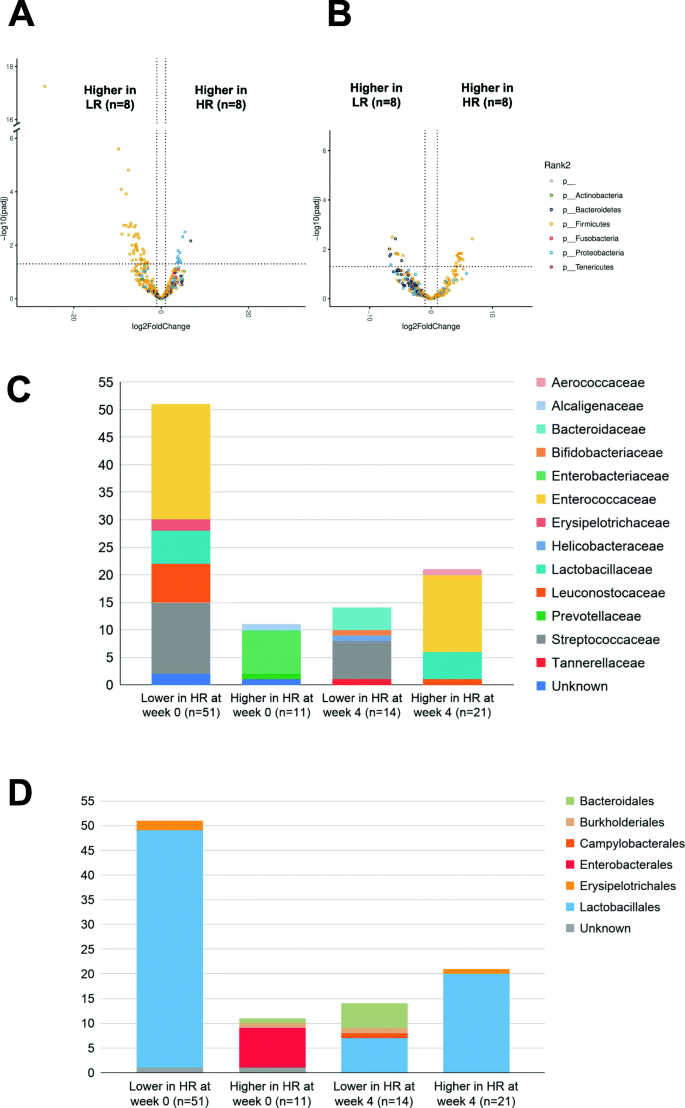
Microbiological analysis of fecal samples revealed a significant increase in cultivable lactobacilli in the TG puppies by the end of the trial. Conversely, the CG showed a decrease in lactobacilli. While no significant differences were found in total mesophilic bacteria, Enterobacteriaceae, or Gram-positive cocci between the groups at T7, the increase in beneficial lactobacilli in the TG suggests a positive impact on the gut microbiota.
Discussion: Probiotics as a Supportive Therapy for Puppy Gastroenteritis
Gastroenteritis is a common and often serious condition in puppies, necessitating effective treatment strategies. This study highlights the potential of a multi-strain probiotic as a valuable supportive therapy. The observed improvements in fecal consistency, accelerated recovery rates, and increased levels of beneficial lactobacilli in puppies receiving the probiotic formulation underscore its positive impact on gut health.
The mechanism by which the probiotic exerted its effects is likely multifactorial, involving the restoration of a healthy gut microbiota, which can, in turn, modulate the immune system and reduce inflammation. The chosen probiotic strains have a documented history of safety and efficacy in other animal models, providing a strong foundation for their use in canine gastroenteritis.
While the study included standard veterinary care such as antibiotics and rehydration, the probiotic group demonstrated superior outcomes in terms of recovery speed and fecal normalization. This suggests that probiotics can complement conventional treatments by directly addressing the microbial imbalance associated with diarrhea.
The variation in weight gain across different puppy sizes noted in the study aligns with known growth patterns in small, medium, and large breeds. The fact that the probiotic showed benefits across these categories, particularly in medium-sized puppies, further supports its broad applicability.
The low mortality rate across both groups, despite the severity of clinical signs in some individuals, reflects the effectiveness of the comprehensive standard care provided. However, the slightly lower mortality in the probiotic group warrants further investigation.
The microbiological findings, particularly the significant increase in lactobacilli in the TG, are crucial. A healthy balance of gut bacteria is essential for proper digestion, nutrient absorption, and immune function. The reduction in lactobacilli in the control group might be a consequence of the underlying disease process or the antibiotic treatment.
Conclusion: A Promising Adjunct for Canine Gastroenteritis Treatment
In conclusion, this randomized, double-blind, placebo-controlled study demonstrates that a multi-strain probiotic formulation significantly improves fecal consistency and hastens recovery in puppies suffering from gastroenteritis. The probiotic treatment led to a higher percentage of excellent recoveries and an increase in beneficial lactobacilli in the gut microbiota. While further research with longer treatment durations may be beneficial, these findings strongly suggest that probiotics can be a valuable addition to the therapeutic arsenal for managing acute diarrhea in puppies, contributing to improved gut health and overall well-being.
Funding Statement
Funding for this research was provided by PICT start-up 2018-0473 from MINCyT, Argentina.
References
https://www.canadianveterinarians.net
https://www.canadianveterinarians.net
https://www.canadianveterinarians.net
https://www.canadianveterinarians.net
https://www.canadianveterinarians.net
https://www.canadianveterinarians.net
https://www.canadianveterinarians.net
https://www.canadianveterinarians.net
https://www.canadianveterinarians.net
https://www.canadianveterinarians.net
https://www.canadianveterinarians.net
https://www.canadianveterinarians.net
https://www.canadianveterinarians.net
https://www.canadianveterinarians.net
https://www.canadianveterinarians.net
https://www.canadianveterinarians.net
https://www.canadianveterinarians.net
https://www.canadianveterinarians.net
https://www.canadianveterinarians.net
https://www.canadianveterinarians.net
https://www.canadianveterinarians.net
https://www.canadianveterinarians.net
https://www.canadianveterinarians.net
https://www.canadianveterinarians.net
https://www.canadianveterinarians.net
https://www.canadianveterinarians.net
https://www.canadianveterinarians.net
https://www.canadianveterinarians.net
https://www.canadianveterinarians.net
https://www.canadianveterinarians.net
https://www.canadianveterinarians.net
https://www.canadianveterinarians.net
https://www.canadianveterinarians.net
https://www.canadianveterinarians.net
https://www.canadianveterinarians.net
https://www.canadianveterinarians.net
