
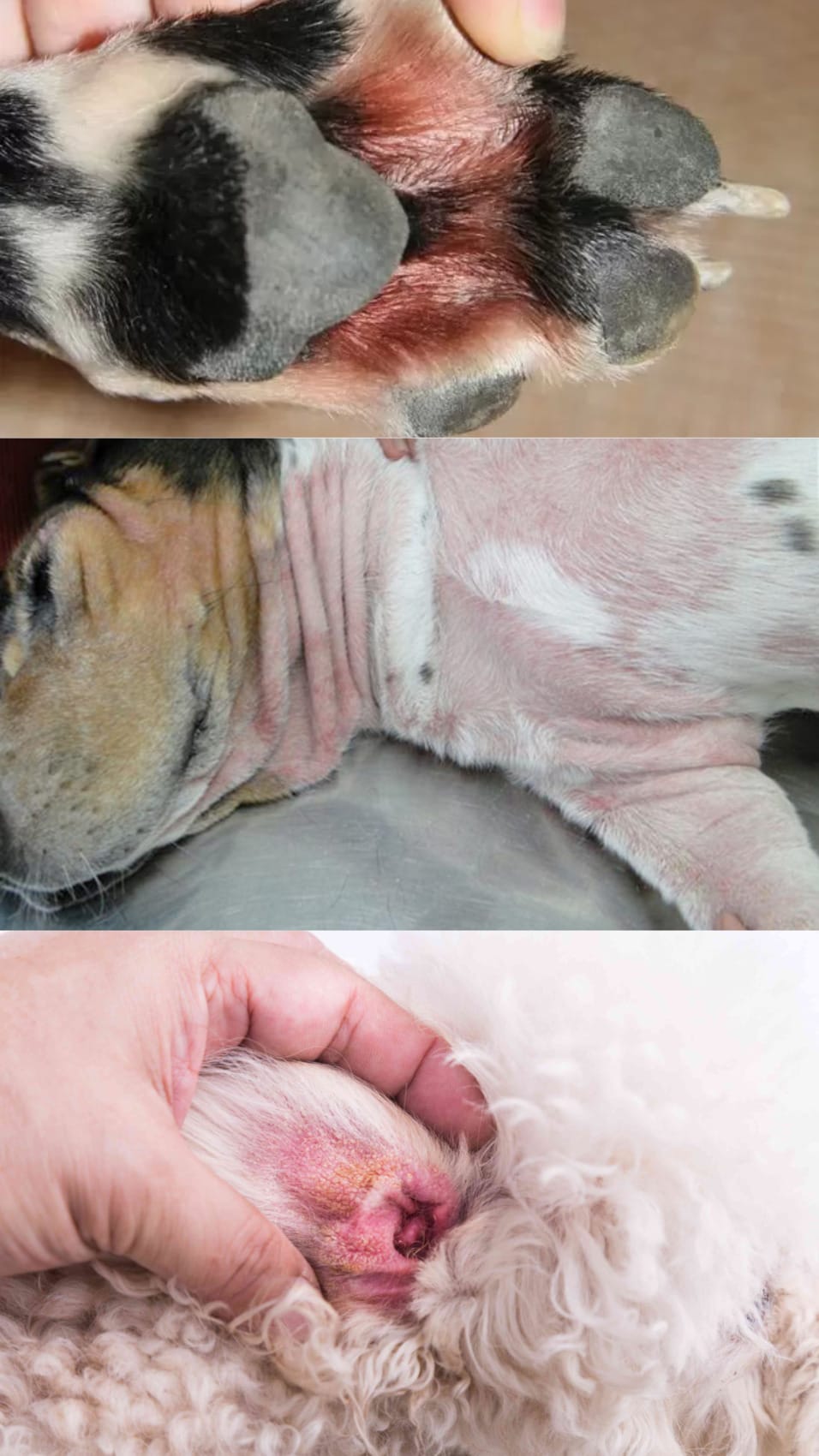
Yeast infections can cause significant discomfort for dogs, leading to itchy and inflamed skin. While any dog can be affected, those with allergies, a poor diet, or a history of antibiotic use are often more susceptible. Veterinarians may recommend probiotics as part of a comprehensive treatment plan, alongside dietary adjustments and medication, to help mitigate the recurrence of these infections. Probiotics are beneficial microorganisms, consumed as food or supplements, that support the balance of “good bacteria” in a dog’s gut, skin, and ears. This article explores why probiotics are a valuable tool in canine health, particularly for managing yeast overgrowth.
Understanding the Canine Microbiome and Probiotics
Similar to humans, dogs host a complex ecosystem of microorganisms known as the microbiome, which includes bacteria, fungi, and viruses. This internal community plays a crucial role in various bodily functions, including digestion. Factors like diet and environmental toxins can alter the microbiome’s composition, potentially leading to health issues. Probiotics, which are nonpathogenic living microorganisms like yeast and bacteria, are designed to replenish and support the beneficial bacteria within this microbiome.
According to Dr. Amy Attas, VMD, probiotics “When ingested in appropriate amounts, probiotics can confer health benefits for dogs and people.” She further explains that these beneficial organisms mimic the naturally occurring good bacteria in a dog’s gastrointestinal tract and are “essential for manufacturing and saving vitamins from food going through the intestinal tract.” A key characteristic of effective probiotics is their ability to survive the digestive process in the stomach and intestines, colonizing the gut and contributing to overall health.
Causes of Yeast Overgrowth in Dogs
Yeast is a naturally occurring fungus found in small quantities on a dog’s skin, in their ears, and on mucous membranes. However, various health and lifestyle factors can disrupt this balance, leading to an overgrowth and subsequent infection. These factors include underlying allergies, bacterial infections, a suboptimal diet, living in hot and humid conditions, and prolonged use of antibiotics.
Yeast infections commonly manifest in the ears, causing symptoms such as discharge, scabbing, head tilting, loss of balance, and hair loss around the ears. Dogs may also exhibit greasy or sour-smelling fur. Probiotics for dogs can play a role in preventing such issues by promoting a healthy microbial balance.
Benefits of Incorporating Probiotics for Dogs
Probiotics are widely available online and in pet stores and do not typically require a prescription. However, consulting with a veterinarian before introducing them is advisable. Beyond aiding in the restoration of gut bacteria, probiotics offer several benefits:
- Enhanced Nutrient Absorption: They assist in the efficient absorption of nutrients from food.
- Reduced Allergy Symptoms: Probiotics can help alleviate symptoms associated with allergies.
- Improved Digestive Health: They contribute to maintaining a healthy and balanced digestive system.
- Inhibition of Harmful Microbes: Probiotics can prevent the growth of yeast and other detrimental bacteria.
- Immune System Support: They bolster the immune system’s ability to fight off infections.
- Relief for Inflammatory Conditions: Probiotics can provide support for dogs suffering from inflammatory bowel disease (IBD) or colitis.
- Overall Well-being: Many owners report improvements in their dog’s general health and vitality.
Dr. Attas confirms that probiotics are generally safe for puppies once they are weaned, ensuring not to interfere with the beneficial bacteria received from mother’s milk.
How Probiotics Combat Yeast Infections
By fostering a balanced environment of microorganisms in the gut, ears, vaginal area, and mucous membranes, probiotics can decrease the likelihood of developing yeast infections. Dr. Attas explains, “When the normal bacteria are present, they create an environment that is very inhospitable to yeast.” This occurs because beneficial bacteria compete with yeast for resources, preventing it from proliferating and causing infection.
Specific probiotic strains, such as Lactobacillus acidophilus and bifidobacteria, are particularly effective. Lactobacillus acidophilus, for instance, produces lactic acid, which lowers the gut’s pH, creating an acidic environment where yeast struggles to survive and reproduce.
Antibiotics, while crucial for treating bacterial infections, can inadvertently eliminate beneficial bacteria, creating an opportunity for yeast overgrowth. Probiotics can counteract this by re-establishing a healthy gut environment and reducing the risk of secondary yeast infections. They are also valuable in restoring bacterial balance after antibiotic therapy. Interestingly, certain bacteria, like Escherichia coli (E. coli) in appropriate doses, and even some yeasts like Saccharomyces, can function as probiotics, aiding in conditions such as diarrhea. Homeopathy medicine for fungal infection in dogs can be explored, but it’s crucial to consult a vet for comprehensive treatment.
Choosing the Right Probiotics for Your Dog
When selecting probiotics for your canine companion, several factors are important to consider.
Opt for Dog-Specific Products
The microbial composition of a dog’s gut differs significantly from that of humans due to millennia of co-evolution. Therefore, it is crucial to select products specifically formulated for dogs. Human probiotics may contain artificial sweeteners or ingredients that are toxic to dogs. Probiotics for dogs are available in various forms, including liquids and capsules, which can be mixed with food or treats.
Prioritize Reputable Brands
Probiotics are classified as supplements, not drugs, and are not regulated by the U.S. Food and Drug Administration (FDA). This underscores the importance of choosing products from reputable companies to ensure the label accurately reflects the contents. Look for probiotics that contain multiple strains of beneficial microorganisms. While some dog foods claim to contain probiotics, they often lack the sufficient concentration of active cultures to be effective. It is generally recommended to choose a nutritionally complete dog food and supplement with a high-quality, standalone probiotic. You might also consider dog probiotic chews for yeast infection for ease of administration.
Proper Storage and Usage
Probiotics contain live microorganisms and may require refrigeration. Always follow the storage instructions on the product label. Check expiration dates, as dead organisms offer no benefit. It is also essential to administer the correct dosage as indicated on the packaging to avoid overwhelming your dog’s system. When introducing a new probiotic, do so gradually to monitor for any sensitivities or allergies to specific strains. Introducing a probiotic on the same day as a new food or other significant change can make it difficult to pinpoint the cause of any adverse reactions. The best probiotic for yeast infections in dogs should be used consistently as directed.
Many dog owners report positive outcomes from probiotic supplementation, including improved appetite, more regular bowel movements, fewer ear infections, and healthier skin. These benefits suggest that probiotics are a valuable dietary supplement for supporting canine health. If your dog suffers from recurring ear infections, probiotics for ear infections in dogs can be a beneficial part of their management plan.
Pet Honesty is dedicated to enhancing pet vitality through premium, natural health products. Their vet-approved, NASC-certified supplements utilize natural base ingredients and premium active ingredients, free from artificial preservatives, aiming to foster more joyful moments between pets and their owners.
