
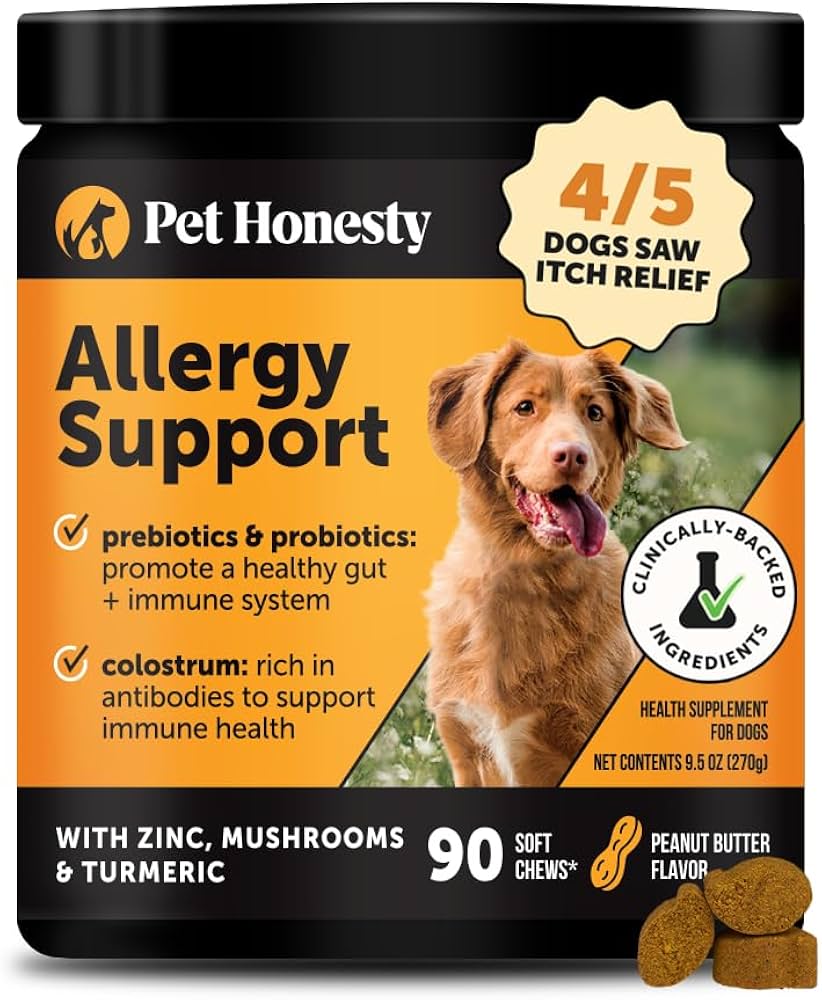
Itchy skin is a common and distressing issue for many dogs, leading to discomfort and frequent scratching. While various factors can cause pruritus in dogs, the role of probiotics in alleviating these symptoms is gaining attention. This article explores how probiotics can benefit dogs suffering from itchy skin, focusing on their impact on the gut microbiome, immune system, and overall skin health.
Itchy skin in dogs, medically known as pruritus, is characterized by an overwhelming urge to scratch. This can manifest as constant licking, biting, or rubbing of specific body parts, often resulting in redness, flakiness, and even hair loss. In severe cases, dogs may develop “hot spots” – localized, inflamed patches of skin caused by persistent scratching. A comprehensive approach to managing itchy skin often involves a healthy skin regimen and, potentially, the inclusion of probiotics.
Several factors can contribute to a dog’s itchy skin, including allergies, parasites, and infections.
- Food or shampoo allergies: Dogs can develop sensitivities to ingredients in their food or grooming products, triggering an immune response that leads to skin irritation and itchiness. The immune system produces antibodies that, upon exposure to these allergens, release histamines and other inflammatory substances, causing skin discomfort.
- Environmental allergies: Similar to humans, dogs can be allergic to environmental factors such as pollen, mold, dust mites, and certain grasses. These allergens can cause atopic dermatitis, characterized by itching, redness, and inflammation.
- Flea bites: Flea infestations are a common cause of intense itching. A dog’s allergic reaction to flea saliva can provoke a strong immune response, leading to significant discomfort and skin irritation.
- Bacterial skin infections: Conditions like pyoderma or hot spots can arise when bacteria overgrow on the skin, often as a secondary issue to allergies or other underlying problems. These infections cause itchiness, redness, and inflammation.
How Probiotics Can Aid in Overcoming Skin Itchiness
Probiotics, defined as live microorganisms that provide health benefits when consumed in adequate amounts, can play a significant role in managing itchy skin in dogs. They work through several mechanisms:
1. Promoting a Healthy Skin Microbiome
The skin, like the gut, hosts a complex ecosystem of microorganisms. Probiotics can help restore and maintain a healthy balance of these microorganisms on the skin, potentially reducing the propensity for allergic reactions and infections that contribute to itchiness.
2. Supporting a Healthy Gut
A significant portion of a dog’s immune system resides in the gut. Probiotics can enhance gut health by promoting a favorable balance of bacteria, which in turn can help modulate the immune system’s response to allergens and reduce overall inflammation throughout the body. This is crucial because the gut microbiome influences systemic immunity and inflammatory processes.
3. Reducing Inflammation
Many causes of itchy skin in dogs, particularly allergies, are linked to underlying inflammation. Certain probiotic strains have demonstrated the ability to help regulate the immune response and reduce inflammatory markers, thereby alleviating the discomfort and itching associated with these conditions. For instance, Lactobacillus sakei probio-65 has shown promise in reducing the severity of canine atopic dermatitis.
Strategies for Helping Your Dog with Skin Itchiness
Managing itchy skin in dogs often requires a multi-faceted approach:
- Veterinary Consultation: The first and most crucial step is to visit a veterinarian. They can accurately diagnose the underlying cause of the itchiness—be it allergies, parasites, infections, or other health issues—and recommend the most appropriate treatment plan. This might include prescription medications, topical treatments, or specific dietary changes.
- Probiotic Supplementation: Offering probiotics can be beneficial as part of a comprehensive treatment strategy, especially for dogs with allergies or immune-related skin conditions. Probiotics, when administered daily, can support gut health and help manage immune responses, potentially leading to reduced itching. The recommended daily intake for dogs typically ranges from 1 to 10 billion colony-forming units (CFU).
- Home Remedies: Soothing remedies like oatmeal baths or cool compresses can provide temporary relief from itching and irritation. However, these should be used in conjunction with veterinary treatment, as they do not address the root cause of the itchiness.
- CBD Products: Some pet owners explore CBD (cannabidiol) products for their potential anti-inflammatory and pain-relieving properties. CBD interacts with a dog’s endocannabinoid system, which regulates various bodily functions, including inflammation. However, it’s essential to consult a veterinarian before using CBD, especially to understand the cause of the itchiness.
Understanding Dog Probiotics
Dog probiotics are essentially beneficial bacteria and yeasts that support a dog’s digestive and immune health. The effectiveness of probiotics is often measured in colony-forming units (CFUs), with 1 to 10 billion CFUs being a common recommendation for daily supplementation in dogs.
Do Probiotics Help Dogs with Itchy Skin?
Yes, probiotics can help dogs with itchy skin by fostering a healthier gut microbiome and modulating the immune system’s response. Studies suggest that specific probiotic strains can reduce the severity of conditions like canine atopic dermatitis. By replenishing beneficial microorganisms and enhancing the skin’s natural defenses, probiotics contribute to a less reactive and more comfortable skin environment.
How to Choose and Administer Probiotics
Probiotic supplements for dogs can be found in various forms, including capsules, powders, and chews, at pharmacies, health food stores, and online retailers. It is also possible to purchase them directly from manufacturers or through veterinary recommendations.
It is generally safe to give dogs probiotics daily, provided the recommended dosage is followed. A consistent daily intake helps maintain a healthy balance of gut bacteria over time. While probiotics can significantly benefit dogs with itchy skin, they are not a universal cure. Consulting with a veterinarian is crucial to ensure that probiotics are a suitable addition to your dog’s specific health plan and to address the underlying cause of their skin issues.
Can Probiotics Help Dog Allergies?
Probiotics may help dogs experiencing allergies, whether due to environmental factors or food sensitivities. By supporting a healthy gut microbiome and immune function, probiotics can help modulate the body’s reaction to allergens. Research indicates that probiotics can potentially decrease the production of allergy-specific IgE antibodies. However, the effectiveness can vary between individual dogs, and probiotics should be considered a supportive measure rather than a standalone treatment for allergies.
