
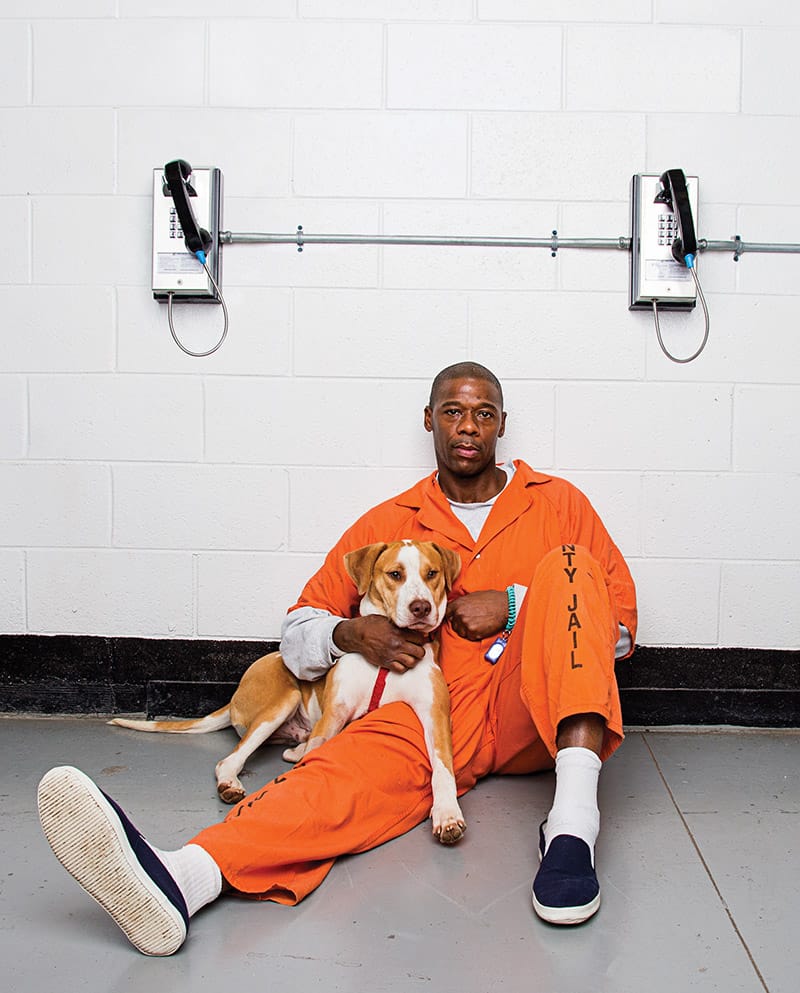
The bond between humans and dogs is ancient and profound, offering comfort, companionship, and a unique form time-tested relationship. For individuals incarcerated, this connection can be even more transformative, providing a pathway to rehabilitation and a sense of purpose. Prison Training Programs For Dogs have emerged as a powerful tool, offering a second chance not only for the dogs involved but also for the inmates who care for them. These programs, often a collaboration between correctional facilities and animal welfare organizations, are creating ripple effects of positive change within prison walls and beyond.
The core concept behind these programs is simple yet impactful: inmates are given the opportunity to train rescue dogs, teaching them basic obedience, socialization, and often more advanced skills. This hands-on experience fosters a sense of responsibility, empathy, and patience in the participants. Dogs, often surrendered or rescued due to behavioral issues, find loving care and consistent training, increasing their chances of adoption into forever homes upon release from the program.
The Genesis and Growth of Canine-Inmate Partnerships
The idea of using dogs to aid in the rehabilitation of incarcerated individuals is not new. Early programs, dating back decades, recognized the therapeutic potential of animal interaction. However, the structured and widespread implementation of prison dog training programs has seen significant growth in recent years. Driven by a desire to improve inmate conduct, reduce recidivism rates, and address the overcrowding in animal shelters, these initiatives have garnered support from correctional departments, animal advocates, and the general public.
These programs operate on a variety of models. Some involve inmates caring for puppies from birth to adoption, while others focus on rehabilitating adult dogs with behavioral challenges. Regardless of the specific approach, the underlying principle remains the same: a symbiotic relationship where both the dog and the inmate benefit from the structured interaction and training. The dogs learn to trust and obey, while the inmates learn invaluable life skills that can aid them post-release.
Benefits for Inmates: More Than Just Obedience Training
The advantages for inmates participating in these programs are multifaceted and extend far beyond basic dog training. For many, it’s their first experience with unconditional love and positive reinforcement. This can be a deeply moving and life-altering realization for individuals who may have spent years in environments lacking such positive connections.
Cultivating Responsibility and Empathy
Taking care of a living being requires a significant commitment. Inmates are responsible for the dog’s daily needs, including feeding, grooming, exercise, and, crucially, training. This responsibility instills a sense of accountability and teaches them to think beyond their own immediate needs. Witnessing the dog’s progress and its response to their efforts fosters a profound sense of accomplishment and boosts self-esteem. Empathy develops as inmates learn to understand the dog’s needs, behaviors, and emotional states, recognizing that their actions directly impact the animal’s well-being.
Developing Crucial Life Skills
The training itself imparts practical skills. Inmates learn patience, as training a dog requires repetition and a calm demeanor. They learn to communicate effectively, understanding canine body language and using consistent commands. Problem-solving skills are honed as they address behavioral issues and adapt their training methods. These are not just dog-training skills; they are transferable life skills applicable to employment, relationships, and community reintegration.
Reducing Recidivism and Improving Behavior
Studies and anecdotal evidence from various correctional facilities suggest that participation in dog training programs can lead to a decrease in disciplinary infractions within the prison. Inmates involved often report feeling calmer, more focused, and more motivated. The prospect of a well-trained dog being adopted can also serve as a powerful incentive for positive behavior change. This sense of purpose and the development of pro-social skills can significantly contribute to a lower recidivism rate upon release, as inmates are better equipped to reintegrate into society.
Benefits for Dogs: A New Leash on Life
For the dogs involved, these programs offer a second chance at a happy life. Many of the dogs entering these programs are strays or have been surrendered due to behavioral problems, making them less likely to be adopted. The structured environment, consistent training, and dedicated attention from inmates provide these dogs with the socialization and obedience skills they need to become well-adjusted companions.
Addressing Behavioral Challenges
Dogs with behavioral issues, such as fear, anxiety, or aggression, often stem from a lack of proper socialization or consistent training. In the controlled environment of a prison program, these dogs receive expert guidance and patient, repetitive training. This helps them overcome their issues and learn to trust humans. The one-on-one attention from inmates, often more available than in a traditional shelter setting, allows for a deeper understanding and modification of problematic behaviors.
Enhancing Adoptability
A well-trained dog is a more adoptable dog. By the end of the program, the dogs are typically house-trained, know basic commands, and are more socialized. This significantly increases their chances of finding a permanent home. Animal shelters and rescue organizations often report higher adoption rates for dogs that have completed such programs, as they are perceived as easier to integrate into a family.
Challenges and Considerations
Despite the profound benefits, prison training programs for dogs are not without their challenges. Ensuring the safety and well-being of both the inmates and the dogs is paramount. This requires careful selection of participants, rigorous training for the inmates, and constant supervision by program coordinators and animal behaviorists.
Program Costs and Resources
Establishing and maintaining these programs requires significant resources, including funding for dog food, veterinary care, training equipment, and specialized staff. Finding suitable facilities within the prison and managing the logistics of transporting dogs can also be complex. However, many programs rely on grants, donations, and volunteer support to offset these costs.
Dog Selection and Placement
Careful consideration must be given to the selection of dogs for these programs. Dogs with severe aggression or deep-seated fear issues may not be suitable candidates and could pose a risk. Similarly, the post-program placement of the dogs is critical. Ensuring that the dogs are adopted into loving, stable homes is the ultimate goal, and this requires robust screening processes for potential adopters.
The Future of Canine-Inmate Rehabilitation
Prison training programs for dogs represent a compassionate and effective approach to rehabilitation. They offer a unique opportunity for personal growth and skill development for incarcerated individuals, while simultaneously providing a lifeline for dogs in need. As more facilities recognize the value of these programs, their reach and impact are likely to expand.
The success of these initiatives hinges on continued support, collaboration between correctional institutions and animal welfare groups, and a shared commitment to giving both dogs and people a second chance. The wagging tails and improved lives that emerge from these programs are a testament to the transformative power of the human-animal bond, proving that even within the confines of prison, hope and redemption can blossom.
Frequently Asked Questions
How are inmates selected for dog training programs?
Inmate selection typically involves a rigorous application process, including an evaluation of their behavior, disciplinary record, and commitment to the program. Participants are often required to attend orientation and training sessions on animal care and handling.
What types of dogs are typically included in these programs?
Programs often work with dogs from local animal shelters and rescue organizations. These can include a variety of breeds and mixes, many of whom may have had behavioral challenges or a lack of socialization.
What happens to the dogs after the program ends?
Upon successful completion of the training, the dogs are typically made available for adoption through the collaborating animal welfare organization. This often involves a formal adoption process with screened potential owners.
Are there programs for inmates to train service dogs?
Yes, some advanced programs focus on training dogs to become service animals for individuals with disabilities. This requires a higher level of training and commitment from the inmates involved.
What is the success rate of these programs in reducing recidivism?
While success rates can vary by program and facility, many studies and reports indicate a positive correlation between participation in these programs and reduced recidivism. The development of responsibility, empathy, and job skills are key contributing factors.
