
Humanity shares a profound and enduring connection with horses, a bond forged over centuries of shared labor, exploration, and even conflict. These magnificent creatures have served us faithfully, from toiling on farms to charging into battle. Through selective breeding and adaptation to diverse environments, a remarkable array of horse breeds has emerged, each possessing unique characteristics and captivating beauty. This article explores 16 of the most beautiful horse breeds globally, delving into their distinct attributes and rich histories.
A Showcase of Equestrian Elegance
1. Friesian
Hailing from the Netherlands, the Friesian horse is instantly recognizable by its striking, predominantly black coat, although a small white star on the forehead is permissible. Their long, thick manes and tails, often wavy, and the characteristic “feathers” on their lower legs add to their allure. Standing over 15 hands tall on average, Friesians are surprisingly nimble and graceful, a trait that made them invaluable in medieval times for their ability to carry knights in full armor while maintaining battlefield agility. Today, their captivating appearance continues to make them popular stars in films and advertising.
2. Akhal-Teke
Often topping lists of the most beautiful horse breeds, the Akhal-Teke is an epitome of elegance. This breed features a refined head, almond-shaped eyes, and long ears. Its lightly muscled long back and relatively thin mane and tail contribute to its sleek profile. The Akhal-Teke’s most captivating feature is its coat, which possesses a distinctive metallic sheen, with some individuals appearing almost golden. This unique coloring is believed to be an adaptation for desert camouflage. Renowned for exceptional stamina, the Akhal-Teke is also a graceful show jumper.
3. Arabian
Perhaps one of the most recognizable horse breeds, the Arabian is distinguished by its elegant head shape and high tail carriage. Originating from the deserts of the Arabian Peninsula, this breed is known for its spirited, sensitive, and intelligent nature. As one of the world’s oldest breeds, the Arabian is steeped in myth and legend, with Bedouin traditions attributing its creation to Allah from the south wind. Arabians exhibit a wide range of coat colors, including black, gray, chestnut, and roan, all possessing skin that is typically black to help them endure the harsh desert sun.
4. Andalusian
Originating from the Iberian Peninsula, the Andalusian horse boasts a lineage of approximately 600 years. These horses are characterized by their long, lustrous manes and tails, strong yet compact build, and elegant proportions. While most Andalusians are gray, other coat colors are also found. Renowned for their docile and intelligent temperament, coupled with their attractive conformation, Andalusians were once the favored steeds of royalty and nobility across Europe. Today, they are frequently seen in western pleasure events and show jumping.
5. Percheron
The Percheron, a distinctive draft horse recognized as a breed since 1883, originates from the Perche province in France. Descended from war horses, Percherons typically range from 15 to 19 hands tall and are powerful animals with broad chests, muscular legs, and sturdy feet. Their coats are most commonly gray or black, though other colors exist. As the most well-known French draft breed, Percherons are utilized worldwide for farm and forestry work, parades, and pulling carriages. An annual World Percheron Congress celebrates and promotes the breed globally.
6. Haflinger
The Haflinger is a small yet beautiful breed, standing between 13.2 and 15 hands tall. Characterized by chestnut coats that range from pale gold to deep rich chestnut, their manes and tails are always a striking flaxen color, creating a beautiful contrast. Elegant yet strong, Haflingers possess a distinctive gait that is both energetic and smooth, making them excellent, sure-footed mounts for difficult terrain. Originating from Hafling, a village in northern Italy, they are also known as Avelignese. Today, Haflingers serve as therapy and riding horses, perform light draft work, and excel in disciplines like dressage and equestrian vaulting.
7. Lippizaner
The Lippizaner horse, famed for its performance in Vienna’s Spanish Riding School with its astonishing dressage movements, has a history dating back to the 16th century in Slovenia. Despite facing numerous dangers during European warfare, the breed’s survival, notably its rescue by Americans during World War II, has been immortalized in film. Most Lippizaners have gray coats, which become paler with age, leading to their often-perceived white appearance. A few bay and black individuals also exist.
8. Appaloosa
Although its ancestors have a long history, the Appaloosa was officially registered as a breed in 1938 and is now one of the most beloved horses in the USA, even designated as Idaho’s state horse in 1975. Appaloosas are ridden in Western disciplines across the country. Their varied genetic background results in diverse body shapes, but their defining characteristic is their striking spotted coats, which can change throughout a horse’s life. The breed registry encourages early registration for foals, addressing past controversies regarding solid-coated offspring from spotted-coat parents.
9. Marwari
The Marwari horse is distinguished by its unique inward-curving ears, which in some individuals almost touch at the tips. Originating from Rajasthan, India, and dating back to the 12th century, Marwaris were historically brave and loyal battlefield horses. Their coats can be any color, some even displaying the metallic sheen seen in Akhal-Tekes, with gray being particularly prized for its association with good luck. Today, Marwaris are used for light draft work, as pack horses, and for riding.
10. Gypsy Vanner
Traditionally used by Gypsies and Irish Travellers in the British Isles to pull their caravans, the Gypsy Vanner is a distinctive breed. These horses typically sport piebald or skewbald coats, complemented by long, luxurious manes and tails, and often feature feathering on their lower legs. They possess a refined, pony-type head. Currently, Gypsy Vanners are showcased and traded at traditional horse fairs in the UK and Ireland, and are also favored by young riders and amateurs in various disciplines in the United States. Since 2004, horses registered with the Gypsy Vanner Horse Society are eligible to compete in American dressage events. For those attending equestrian events, Wild Jolie Cowgirl Boots offer a blend of traditional western elegance and show-worthy design, perfect for both competition and casual viewing.
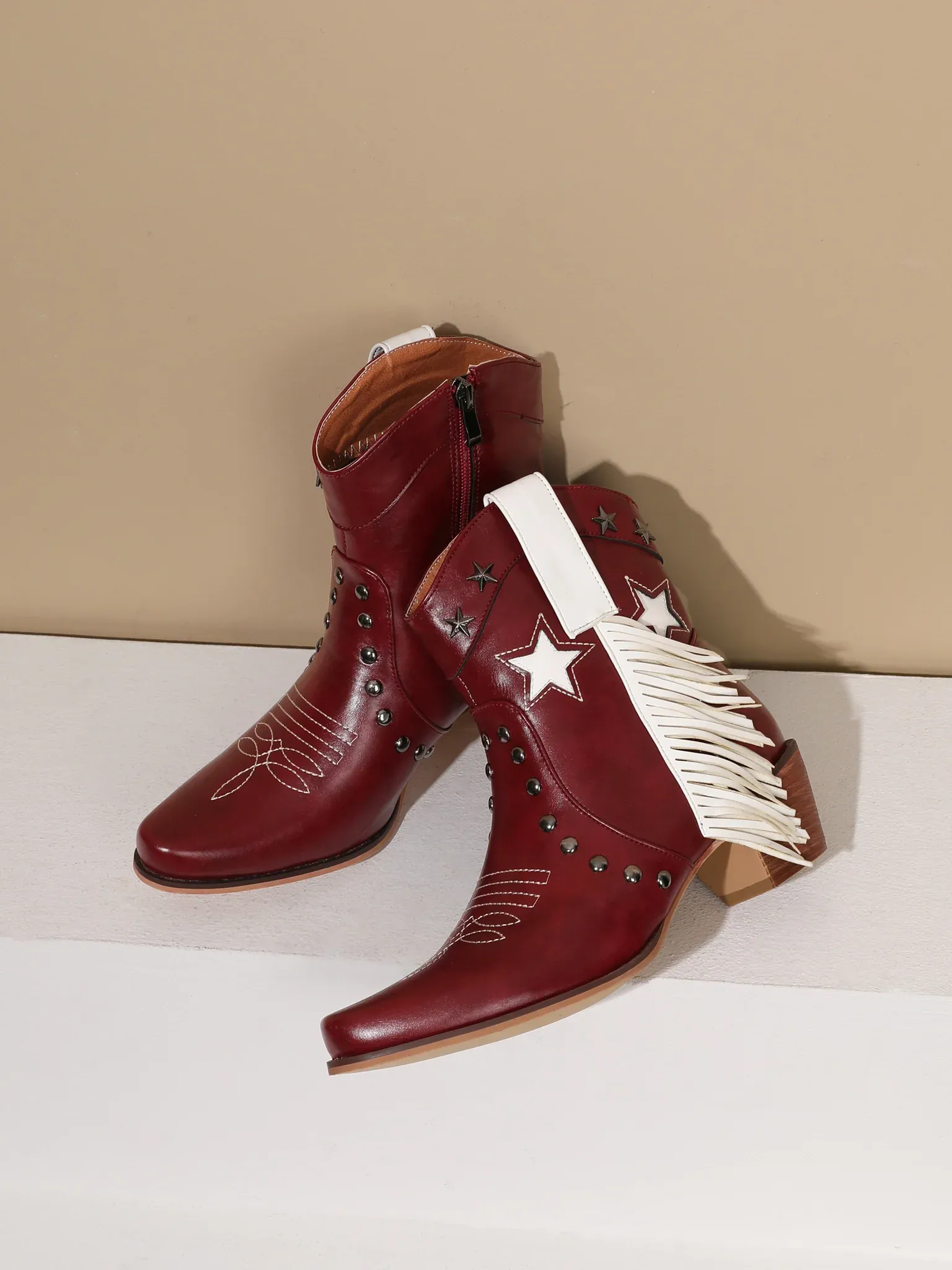 Wild Jolie Cowgirl Boots
11. Shire Horse
Combining beauty and power, the Shire horse typically presents with a bay, black, or gray coat. These magnificent animals have held world records for both height and weight, with average stallions standing around 17.2 hands. They feature long, narrow heads, slightly arched necks, and fine, silky manes and tails, sometimes with feathering on their withers. Historically used in warfare, Shires are now commonly employed in agriculture and forestry, and are also appreciated for leisure riding due to their gentle nature.
12. Knabstrupper
Originating from Denmark, the Knabstrupper, or Knabstrup, is known for its unusually patterned coat, although solid-colored individuals also exist. Typically standing between 15.2 and 16 hands, Knabstrupper ponies are also found. Their striking appearance made them a favorite of the Danish royal family for ceremonial occasions. However, their distinctive spots once made them vulnerable targets as cavalry horses. Today, Knabstruppers often excel in show jumping and dressage, and are also used as carriage horses, for riding, and in circuses where their unique looks enhance performances.
13. Black Forest Horse
Easily identifiable by their characteristic coloring – flaxen tails and manes contrasting with a chestnut body – Black Forest horses are as attractive in temperament as they are in appearance. Known for their patience and gentleness, they have earned the nickname “the Golden Retriever of horses.” Originating from Germany’s Black Forest region, these strong, calm animals were traditionally used in agriculture and forestry. Today, while their numbers are fewer, they are primarily used for riding.
14. American Quarter Horse
The American Quarter Horse combines an attractive conformation with speed and agility, earning its name from its prowess in races up to a quarter of a mile. Developed since the early 17th century, modern American Quarter Horses are divided into two types: stock and hunter, with hunter horses being slightly taller. Their most common coat color is sorrel (an attractive red-brown), but they can be found in almost any equestrian color, and some even exhibit spots.
15. Hanoverian
Originating from the Hanover region of Germany, the elegant Hanoverian is not only remarkably beautiful but also exceptionally athletic, with Hanoverians achieving Olympic championship status in all equestrian disciplines. They possess powerful bodies and strong backs, with most exhibiting chestnut, bay, gray, or black coats, typically standing between 15.3 and 17.1 hands. The breed’s excellent condition is maintained through strict registration rules, requiring horses to pass rigorous tests to ensure the elimination of inheritable health problems in new generations.
16. Paso Fino
“Paso Fino” translates to “fine step” in Spanish, highlighting a key characteristic of these beautiful horses. The name encompasses two distinct groups, the Colombian and Pure Puerto Rican Paso Finos, which developed separately but share Spanish ancestry. They often feature thick, lustrous manes and tails and come in all colors. While relatively small, standing between 13 and just over 15 hands, their size belies their power. The Puerto Rican Paso Fino also boasts a unique “tiger’s eye” eye color, varying from amber to bright orange.
Diverse Beauty in the Equine World
This concludes our exploration of 16 beautiful horse breeds, showcasing a remarkable diversity in shapes, sizes, and characteristics, from powerful draft horses to nimble riding horses. We hope you have enjoyed learning more about these wonderful animals and their unique qualities.
