
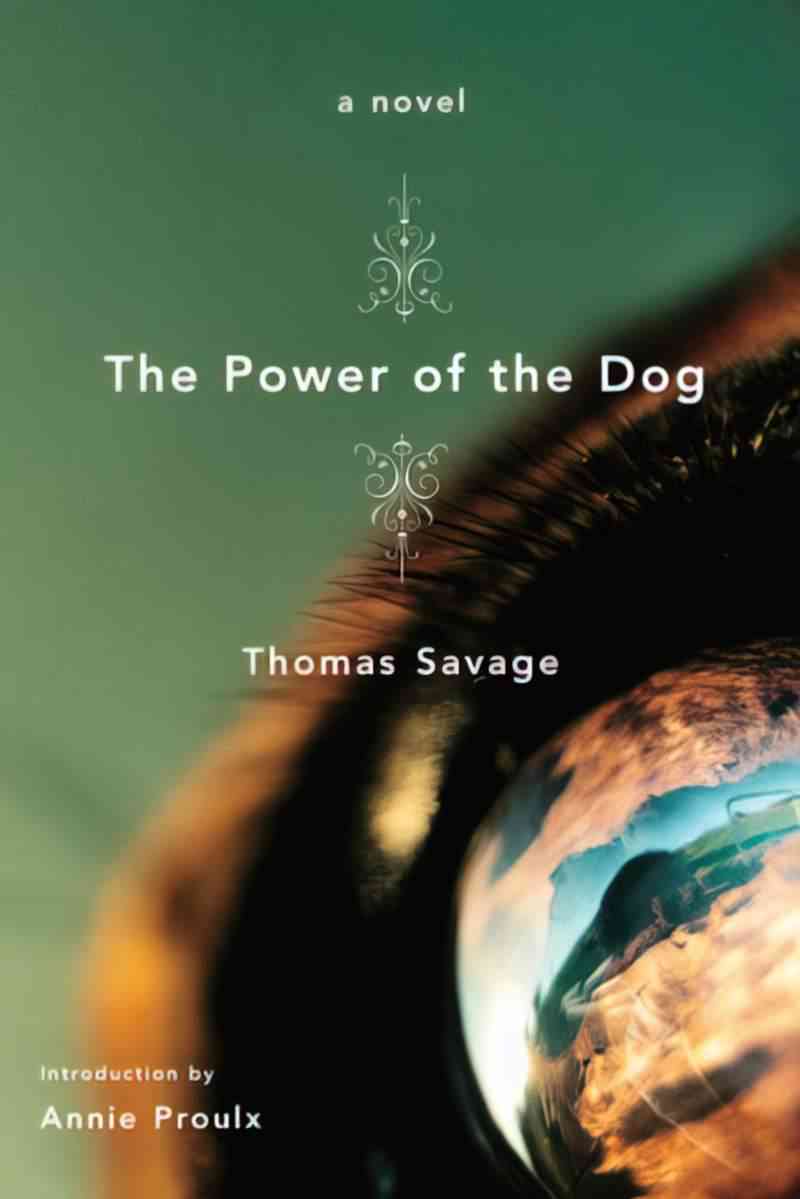
The cinematic adaptation of “The Power of the Dog” has captivated audiences, but for a truly immersive experience, delving into the source material is highly recommended. This review explores the profound psychological depth and nuanced exploration of masculinity and repressed desire within the novel. While the film offers a compelling visual interpretation, the book provides an even richer tapestry of character interiority and thematic complexity.
Unpacking the Narrative
“The Power of the Dog” is set in the early 20th century on a vast ranch in rural America, a landscape slowly fading into obscurity. The story centers on two vastly different brothers, Phil and George Burbank. George is the steady, kind, and unassuming brother, while Phil is brilliant, charismatic, yet intolerably cruel. Phil’s sharp intellect is matched only by his toxic masculinity, manifesting in overt racism, misogyny, and a deep-seated disdain for anything he perceives as effeminate. This volatile dynamic is further disrupted when George unexpectedly marries Rose, a gentle widow with an alcoholic past. Phil immediately targets Rose, subjecting her to a campaign of insidious emotional abuse in an attempt to drive her away. The situation escalates with the arrival of Rose’s sixteen-year-old son, Peter, a sensitive and effeminate young man who embodies everything Phil despises. What unfolds is a masterful interplay of power, a twisted love story, and a palpable sense of impending doom, all saturated with an uncomfortable yet undeniable sensuality.
Masculinity, Repression, and Queer Desire
At its core, “The Power of the Dog” is a powerful exploration of repressed homosexual desire cloaked in the rigid constructs of Western masculinity. Phil Burbank, the story’s complex antagonist, is a man deeply closeted and consumed by self-loathing, projecting his internal turmoil onto the world around him. Written in 1967, the novel was groundbreaking for its time, daring to explore queer themes within the hyper-masculine genre of the Western, a space where such topics were virtually unthinkable. While the “homophobic homosexual” trope can be problematic, the novel’s historical context highlights its significance in bringing queer narratives to the forefront.
Character Studies and Thematic Resonance
The novel’s strength lies in its intricate character development. Even secondary characters, such as Rose’s well-meaning but ineffective husband or Edward Nappo, a Native American man whose story is woven into the narrative, lend breadth and context to the story, preventing it from becoming overly insular. The tender, tentative relationship between the instinctively loving Rose and the quietly solid George offers a poignant counterpoint to Phil’s cruelty, making their eventual unraveling all the more devastating.
Phil himself is depicted as a tragic figure—a monster forged by a world that offers little room for deviation from its rigid norms. His abuse is undeniable, his impact on those around him toxic. Yet, the novel prompts reflection on how societal cruelty can twist individuals, suggesting that Phil’s monstrosity is a product of his environment and his inability to accept himself. This is poignantly captured in the line: “[Phil] had a hunch George hated sissies as much as he did.” This reflects Phil’s projection, as George, in reality, demonstrates genuine kindness towards Peter, regardless of his effeminate nature. George’s commitment to his role as a stepfather, as evidenced in his conversation with Rose, underscores his genuine empathy and effort: “I don’t forget I’m a stepfather. I imagine a stepfather’s got to try a little harder than a father. I’d imagine there’s no reason for a boy to like a stepfather unless a fellow tries. I know how I’d feel.”
A Haunting Conclusion
While the novel’s psychological drama unfolds with satisfying precision, the ending, though perhaps fitting, felt somewhat abrupt. The desire for more closure stems not from a wish to dwell on the tragic events, but from a deep connection formed with the characters. Nevertheless, the story resonates long after the final page, leaving a lasting impression. The symbolic use of willow trees to represent queer desire adds another layer of evocative imagery, forever altering their perception. For those seeking a deeper understanding of the complexities of masculinity, repression, and the human condition within a compelling Western narrative, “The Power of the Dog” is an essential read. It offers a scope and richness that complements, and perhaps even surpasses, its acclaimed cinematic counterpart.
