
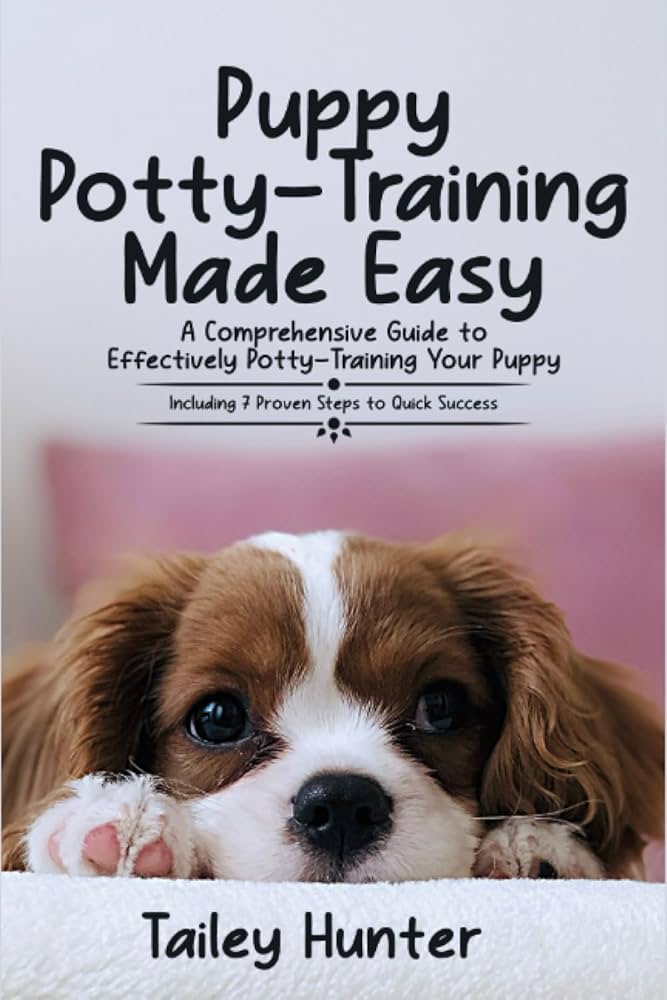
Potty training a dog is a journey, and finding the right resources can make all the difference. Whether you’re a new dog owner or a seasoned pro looking for a refresher, understanding the best approach to housebreaking is crucial for a harmonious life with your canine companion. This guide will delve into effective potty training methods, help you find local training classes, and offer solutions for common challenges, all to ensure your furry friend becomes a well-behaved member of your family. We’ll explore everything from the initial steps of potty training to advanced techniques, focusing on positive reinforcement and building a strong bond with your dog.
Understanding Potty Training Fundamentals
Potty training is more than just teaching your dog where to eliminate; it’s about establishing a routine, understanding canine behavior, and creating clear communication between you and your pet. Success hinges on consistency, patience, and positive reinforcement. When your dog successfully eliminates in the designated spot, offer immediate praise and a small treat. This positive association is far more effective than punishment, which can lead to fear and anxiety, potentially causing more accidents.
Establishing a Consistent Routine
Consistency is king when it comes to potty training. Dogs thrive on routine, so establishing a predictable schedule for potty breaks is essential.
- Morning: Take your dog outside immediately after waking up.
- After Meals: Another potty break is needed shortly after each meal.
- After Naps: Just like waking up, a trip outside after a nap is important.
- Before Bedtime: A final potty break before sleep can prevent overnight accidents.
- After Playtime: Energetic play can stimulate the need to eliminate.
The frequency will vary depending on your dog’s age and breed, but younger puppies will require more frequent outings.
Choosing the Right Potty Spot
Designate a specific area in your yard for your dog to eliminate. This helps them associate that location with the act of going to the bathroom. Take your dog to the same spot every time. You can use a verbal cue like “Go potty” or “Do your business” as they are eliminating.
Recognizing Potty Training Cues
Learn to recognize your dog’s signals that they need to go outside. These can include:
- Whining or barking at the door
- Pacing or restlessness
- Sniffing the ground intently
- Circling
 A golden retriever puppy looking attentively at its owner with a leash in hand, ready to go outside for potty training.
A young dog eagerly awaits their potty break.
Dealing with Accidents
Accidents are a normal part of the potty training process. When they happen, don’t scold your dog, especially if you didn’t catch them in the act. Instead, clean the mess thoroughly with an enzymatic cleaner to eliminate odors that might attract your dog back to the same spot. If you catch your dog in the act, interrupt them with a calm sound and immediately take them outside to their designated potty spot.
Finding Local Potty Training Resources
For many dog owners, especially those new to the experience, professional guidance can be invaluable. Searching for “potty training classes for dogs near me” can connect you with local trainers and facilities that offer structured programs. These classes provide hands-on training, expert advice, and a supportive community of fellow dog owners.
Benefits of Local Training Classes
- Expert Guidance: Certified trainers can assess your dog’s specific needs and tailor training methods accordingly.
- Socialization: Classes offer opportunities for your dog to socialize with other dogs in a controlled environment.
- Structured Curriculum: Follows a proven training program designed for effective housebreaking.
- Problem-Solving: Trainers can help address specific issues like 2-year-old dog regressing potty training or resistance to certain methods.
- Community Support: Connect with other dog owners facing similar challenges.
When searching online, look for reviews and testimonials to ensure the facility or trainer has a positive reputation for effective Potty Training Dogs Near Me.
Advanced Potty Training Techniques and Products
Once the basics are established, you might explore more advanced techniques or helpful products.
Potty Training Sprays
Some owners find that using a potty training spray can aid in the process. These sprays often contain pheromones that mimic natural scents, encouraging dogs to eliminate in a specific area. When looking for the best dog potty training spray, read reviews and choose products that are specifically designed for dogs and made with pet-safe ingredients. Always introduce new products gradually and observe your dog’s reaction.
Crate Training as a Tool
Crate training can be an effective component of potty training, as dogs are naturally disinclined to soil their sleeping area. The crate should be just large enough for your dog to stand up, turn around, and lie down comfortably. Never use the crate as a form of punishment. When used correctly, it provides a safe den for your dog and helps prevent accidents when you cannot supervise them directly.
Crate training, when implemented with positive reinforcement, can significantly accelerate the potty training process by leveraging a dog’s natural instincts.
Addressing Common Potty Training Challenges
Despite best efforts, some dogs present unique challenges. Understanding these common issues can help you troubleshoot and find effective solutions.
Potty Training Regressions
It’s not uncommon for a previously house-trained dog to suddenly start having accidents again. This is known as a potty training regression. Several factors can cause this:
- Medical Issues: Urinary tract infections, bladder stones, or other health problems can lead to incontinence.
- Changes in Routine: A new schedule, a new pet, or changes in the household can stress a dog and lead to regressions.
- Fear or Anxiety: Loud noises, a negative experience, or separation anxiety can trigger accidents.
- Incomplete Training: Sometimes, the initial training wasn’t as thorough as needed.
If you suspect a medical issue, consult your veterinarian immediately. For other causes, revisit your consistent routine, increase potty breaks, and reinforce positive behaviors. If you’re dealing with a 2-year-old dog regressing potty training, it might indicate an underlying issue that needs to be addressed by a professional.
Refusal to Potty Outside
Some dogs may resist pottying outside, especially if they’ve had negative experiences or if the weather is unpleasant.
- Weather: Some dogs dislike rain, snow, or extreme temperatures. Consider a dog coat or umbrella for your dog during inclement weather.
- Distractions: If the potty spot is too busy or distracting, your dog might hold it. Try taking them to a quieter area.
- Association: If an accident inside was harshly punished, they might be afraid to go in front of you.
Marking Behavior
In some cases, a dog might be marking their territory rather than having an accident. This is more common in unneutered males but can occur in females and neutered dogs as well. Thoroughly clean marked areas and consider consulting a trainer about managing marking behavior.
The Importance of Positive Reinforcement in Dog Training
Positive reinforcement is the cornerstone of effective and humane dog training. It focuses on rewarding desired behaviors, making them more likely to occur again. This approach builds trust and strengthens the bond between you and your dog, making them more eager to please.
How Positive Reinforcement Works
When your dog performs the desired action (e.g., eliminating in the correct spot), immediately reward them with something they value:
- Praise: Enthusiastic verbal praise like “Good dog!”
- Treats: Small, high-value treats that your dog loves.
- Affection: A good petting session or a favorite toy.
The key is timing. The reward must come immediately after the behavior so your dog understands what they are being praised for.
Beyond Potty Training: Building a Pawsitive Connection
The principles of positive reinforcement extend beyond potty training. It’s the foundation for all forms of canine behavior modification and training. Organizations and trainers like pawsitive connection dog training emphasize this philosophy for a reason – it works. Building a positive connection through consistent training, clear communication, and mutual respect leads to a happier, more well-adjusted dog and a stronger relationship between pet and owner.
The Role of Dog Behaviorists and Trainers
Sometimes, despite your best efforts, you might need professional help. Dog behaviorists and certified trainers offer specialized knowledge and techniques to address challenging behaviors. They can provide personalized plans, demonstrate effective methods, and help you understand the root cause of your dog’s struggles.
When to Seek Professional Help
- If you’re struggling to make progress after several weeks of consistent training.
- If your dog exhibits fear, aggression, or extreme anxiety related to potty training.
- If you suspect a medical issue that your veterinarian needs to investigate further.
- If you’re dealing with persistent marking behavior or regressions.
A professional can offer insights into what does “heal” mean in dog training in a broader sense – it’s about addressing the underlying causes of behavior, not just the symptoms.
Conclusion: Creating a Happy Home with a Potty-Trained Dog
Potty training your dog is a rewarding process that requires dedication, patience, and the right strategies. By establishing a consistent routine, utilizing positive reinforcement, and seeking help when needed, you can successfully housebreak your dog. Remember that every dog is an individual, and what works for one may not work for another. Embrace the journey, celebrate the successes, and continue to build a strong, loving relationship with your canine companion. If you’re actively searching for potty training dogs near me, remember that local resources and professional guidance are readily available to support you every step of the way.
Frequently Asked Questions (FAQ)
Q1: How long does it typically take to potty train a puppy?
A1: Potty training can vary greatly, but many puppies are reliably house-trained between 4 to 6 months of age. Consistency and positive reinforcement are key factors in the timeline.
Q2: My dog has accidents in their crate. What should I do?
A2: Ensure the crate is not too large. If it is, your dog may use one end as a potty area. Also, make sure your dog is not left in the crate for excessively long periods, especially puppies, as they may not be able to hold it. Rule out any medical issues with your vet.
Q3: Can older dogs be potty trained?
A3: Yes, absolutely! While puppies may learn faster, older dogs can also be successfully potty trained. It may require more patience and a tailored approach, especially if they have developed bad habits.
Q4: What is the best way to clean up dog messes?
A4: Use an enzymatic cleaner specifically designed for pet stains. These cleaners break down the organic matter that causes odors, preventing your dog from being attracted back to the same spot. Avoid ammonia-based cleaners, as their smell can be similar to urine and attract dogs.
Q5: Should I punish my dog for having an accident?
A5: No, punishment is generally not recommended. It can create fear and anxiety, making training more difficult. Instead, focus on positive reinforcement for successful potty breaks and clean up accidents without fuss.
Q6: How can I find the best dog potty training spray?
A6: Look for sprays with natural attractants or pheromones. Read reviews from other dog owners and ensure the product is safe and specifically formulated for dogs. Always test a small area first.
Q7: What are some signs my dog needs to go potty?
A7: Common signs include whining, pacing, sniffing the ground intensely, circling, or going to the door. Recognizing these cues is crucial for preventing accidents.
