
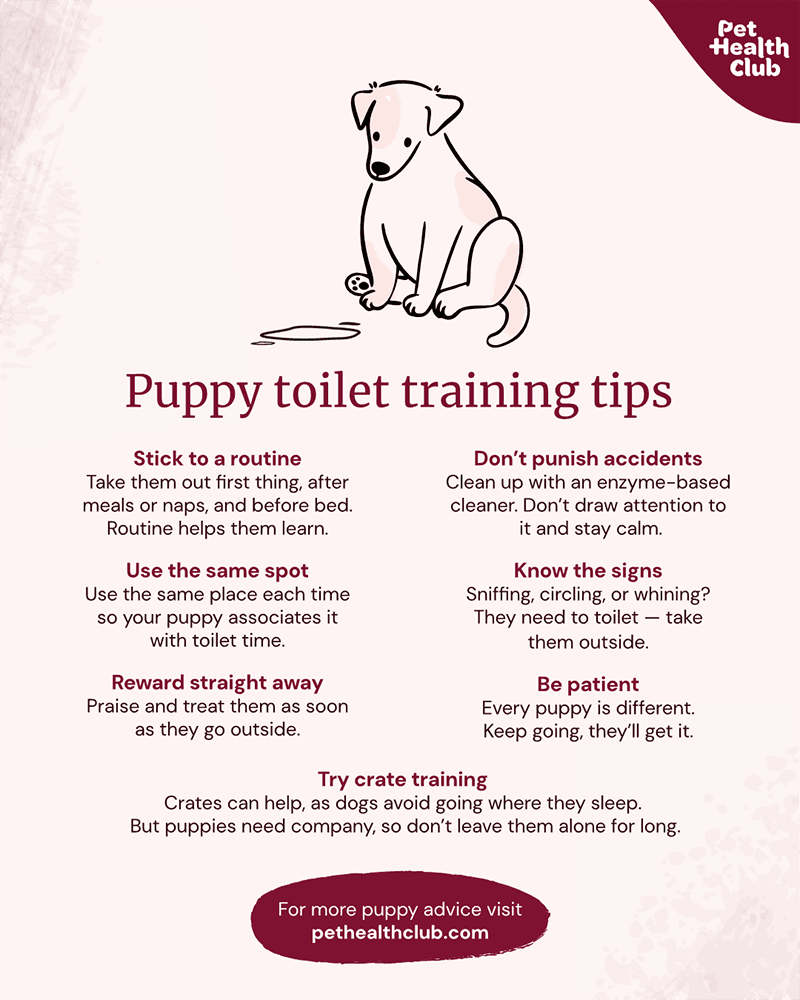
Living in an apartment with a dog is a rewarding experience, but it comes with unique challenges, especially when it comes to potty training. Unlike houses with yards, apartment living requires a more structured and consistent approach to housebreaking. This guide will walk you through the essential steps and provide practical tips to successfully potty train your apartment dog, ensuring a harmonious living environment for both of you.
Understanding the Potty Training Process for Apartment Dwellers
Potty training any dog is about establishing a routine and rewarding desired behaviors. For apartment dogs, this means being extra vigilant and proactive. The core principles remain the same: frequent potty breaks, positive reinforcement, and diligent supervision. However, the confined space and lack of immediate outdoor access add layers of complexity. It’s crucial to understand that your dog doesn’t inherently know where to relieve themselves; they learn through consistent guidance and positive associations. Patience is your most valuable tool.
Common Challenges in Apartment Potty Training
Apartment living presents several hurdles:
- Limited Access to Outdoors: Unlike a backyard, you’ll need to leash your dog and head to a designated spot, which can be inconvenient, especially during bad weather or late at night.
- Increased Supervision Needs: Without a yard, accidents are more likely to happen indoors if supervision isn’t constant.
- Potential for Noise Complaints: Accidents can lead to odors and stains, potentially causing issues with neighbors if not managed promptly.
- Smaller Living Space: This can make it harder to prevent accidents and require more frequent cleaning.
Step-by-Step Potty Training for Apartment Dogs
Successful potty training hinges on consistency and positive reinforcement. Here’s a breakdown of the process:
1. Establish a Strict Potty Schedule
Consistency is key. Your dog needs to know when to expect potty breaks.
- Upon Waking Up: Take your dog outside immediately after they wake up, whether it’s first thing in the morning or after a nap.
- After Meals: Schedule potty breaks about 15-30 minutes after each meal.
- After Playtime: Immediately after a play session, take them outside.
- Before Bedtime: Ensure a final potty break right before you go to sleep.
- Throughout the Day: Young puppies need to go out very frequently, potentially every 1-2 hours. As they mature, you can gradually extend the intervals.
2. Choose a Designated Potty Spot
Select a specific area outside your apartment for your dog to relieve themselves. This could be a patch of grass, a dog relief station, or a designated dog park area. Consistently taking your dog to the same spot helps them associate that location with elimination.
3. Use a Potty Command
While at the designated spot, use a consistent verbal cue, such as “Go Potty,” “Hurry Up,” or “Do Your Business.” When your dog successfully eliminates, praise them enthusiastically and offer a high-value treat immediately. This positive association reinforces the desired behavior.
4. Supervision and Confinement
When you are home and able to supervise, keep your dog on a leash or within your sight. This close monitoring allows you to catch them in the act of needing to go and quickly interrupt and redirect them outside.
When you cannot supervise, such as when you are away or asleep, use a crate or a confined area (like a playpen or a small, dog-proofed room) to prevent accidents. The crate should be just large enough for your dog to stand up, turn around, and lie down comfortably. Dogs are naturally clean animals and are reluctant to soil their sleeping area. This is why learning dog litter box training tips can be a lifesaver in an apartment setting.
5. Interrupting Accidents and Cleaning Up
If you catch your dog in the act of having an accident indoors, interrupt them with a clap or a firm “No!” Immediately take them outside to their designated potty spot. If they finish outside, praise and reward them.
Clean up accidents thoroughly with an enzymatic cleaner specifically designed for pet stains. Regular household cleaners may mask the odor for humans, but dogs can still smell it, encouraging them to use the same spot again.
Essential Tools and Supplies for Apartment Potty Training
Having the right gear can make the process smoother:
- Crate: Essential for confinement when unsupervised.
- Leash and Collar/Harness: For taking your dog outside.
- High-Value Treats: Small, delicious treats that your dog loves, used for positive reinforcement.
- Enzymatic Cleaner: Crucial for eliminating odors and preventing repeat accidents.
- Poop Bags: Always be prepared for outdoor clean-ups.
- Potty Pads or Artificial Grass Patches: These can be used as an intermediate step, especially for very young puppies or in situations where frequent outdoor trips are impossible. Many apartment dwellers find training pads for dogs xl to be a practical solution.
Addressing Common Potty Training Issues
- Resistance to Going Outside: If your dog seems hesitant to go outside, especially in bad weather, try using an umbrella or a dog coat. Make the experience as positive as possible with treats and praise.
- Potty Accidents Despite Training: This could indicate several things:
- Inconsistent Schedule: Are you being diligent enough with breaks?
- Insufficient Supervision: Are you letting your guard down?
- Medical Issues: Sudden changes in potty habits can signal a urinary tract infection or other health problems. Consult your veterinarian.
- Submissive Urination or Excitement Urination: These are behavioral issues that require specific training approaches.
- Using the Wrong Spot: Be patient. Consistently redirect your dog to the correct spot and reward them there. It takes time for them to generalize the behavior. For those looking to learn how to train a dog to use litter box, specific techniques will be necessary.
Potty Training Pads and Alternatives
For apartment living, potty pads can be a valuable tool, especially during the initial stages or for dogs that struggle with frequent outdoor trips.
How to Use Potty Pads Effectively
- Placement: Place the pads in a consistent, easily accessible location, such as a bathroom or laundry room. As your dog progresses, you can gradually move the pad closer to the door and eventually outside. This technique is similar to how one might train a dog to use litter box.
- Introduction: Encourage your dog to use the pad by taking them there frequently, especially after waking up, eating, or playing.
- Positive Reinforcement: When your dog uses the pad, praise and reward them immediately.
- Cleaning: Clean accidents around the pad just as thoroughly as any other indoor accident.
When to Consider Alternatives
While potty pads are useful, they aren’t a permanent solution for most dogs. The ultimate goal is usually for them to hold it until they can go outside. However, for some apartment dwellers, or for specific breeds, using a designated indoor potty solution permanently might be the best fit.
Potty Training Puppies vs. Adult Dogs
Potty Training Puppies
- Frequent Breaks: Puppies have small bladders and less control, requiring very frequent trips outside.
- Shorter Attention Spans: Keep training sessions short and positive.
- Higher Risk of Accidents: Be prepared for more accidents and maintain patience.
Potty Training Adult Dogs
- Breaking Old Habits: If adopting an adult dog with previous house-training issues, it may take longer to break old habits.
- Underlying Issues: Rule out medical or behavioral problems that might be contributing to accidents.
- Consistency is Still Key: Even adult dogs thrive on routine and positive reinforcement.
The Role of Exercise and Mental Stimulation
A well-exercised and mentally stimulated dog is more likely to be a well-behaved dog. Ensure your apartment dog gets adequate physical activity through daily walks and playtime. Mental stimulation, through puzzle toys, training games, and interactive play, can also reduce anxiety and boredom, which can sometimes lead to accidents. If you’re looking for resources on training, exploring options like best dog potty training solutions can offer additional strategies.
Conclusion: Patience and Persistence Lead to Success
Potty training an apartment dog requires dedication, consistency, and a deep understanding of your dog’s needs. By establishing a routine, providing ample supervision, using positive reinforcement, and choosing the right tools, you can successfully house-train your canine companion. Remember that every dog learns at their own pace. Celebrate small victories, remain patient through setbacks, and you’ll soon enjoy a clean and happy home with your well-trained apartment dog. Exploring resources for dog training pads near me might also be helpful if you need to quickly source supplies.
