
Bringing a new rescue dog home is an incredibly rewarding experience. You’re giving a deserving animal a second chance at a happy life. However, this new chapter often comes with a few challenges, and one of the most common is house soiling. The journey of Potty Training A Rescue Dog is different from training a puppy. These dogs come with their own histories, routines, and sometimes, anxieties. But with patience, consistency, and the right techniques, you can guide your new companion to success.
This guide is designed to walk you through the entire process, from understanding your dog’s perspective to handling accidents like a pro. Think of it less as a strict training manual and more as a conversation about building trust and clear communication with your new best friend. For a deeper dive into the nuances of this process, understanding the fundamentals of house training a rescue dog can provide a solid foundation.
Understanding the Rescue Dog’s Perspective
Before you lay down the first potty pad, it’s crucial to understand why a rescue dog might not be house-trained. Unlike a puppy who is a blank slate, a rescue dog has a past that influences their current behavior.
There are several common reasons for potty training issues:
- Lack of Previous Training: The dog may have never been taught the proper place to eliminate. They might have been kept outdoors or in a kennel for most of their life.
- Different Rules: Their previous home may have had different rules. Perhaps they were allowed to go on puppy pads indoors, and now you expect them to go exclusively outside.
- Stress and Anxiety: The transition to a new home is stressful. A new environment, new people, and new routines can cause anxiety, which often manifests as house soiling.
- Medical Issues: It’s always wise to rule out any underlying health problems. Urinary tract infections (UTIs), kidney issues, or gastrointestinal problems can lead to accidents. A check-up with your vet is a vital first step.
Remember, your dog isn’t having accidents out of spite or to misbehave. They are likely confused, stressed, or were simply never shown the right way. Your role is to be a patient teacher, not a disciplinarian.
Getting Started: Supplies for Success
Setting yourself up with the right tools will make the potty training process smoother for both you and your dog. You don’t need a lot of fancy gadgets, just a few key items.
- A Crate: A crate is not a cage but a safe den for your dog. It’s an invaluable tool for preventing accidents when you can’t supervise them directly. The crate should be just large enough for your dog to stand up, turn around, and lie down comfortably.
- Enzymatic Cleaner: This is non-negotiable. Standard cleaners won’t eliminate the odor-causing molecules that attract your dog back to the same spot. An enzymatic cleaner breaks down the proteins in urine, completely removing the scent.
- High-Value Treats: You need something special to reward your dog with the moment they potty in the correct spot. These should be small, tasty treats that they only get for successful potty breaks.
- A Leash and Collar/Harness: You’ll want to keep your dog on a leash during potty breaks to guide them to the right spot and ensure you’re there to witness and reward their success.
- A Consistent Schedule: While not a physical item, a predictable routine is the most powerful tool you have.
The Step-by-Step Guide to Potty Training a Rescue Dog
Success in potty training a rescue dog hinges on a simple, repeatable formula: frequent opportunities, positive reinforcement, and consistent management.
Step 1: Go Back to Basics
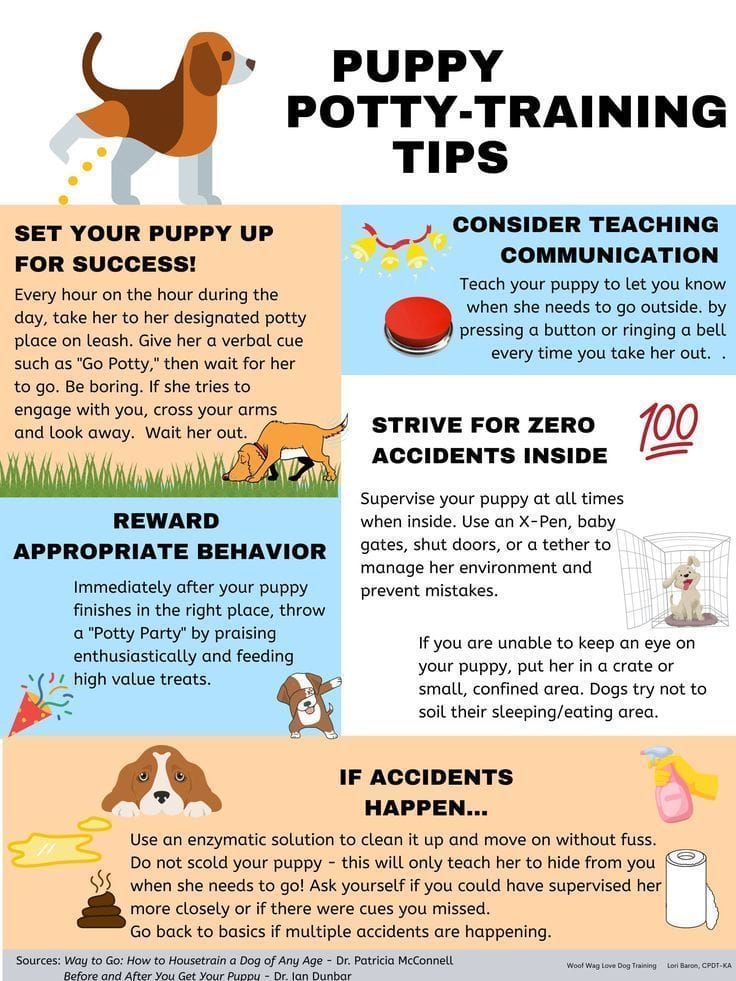
Treat your new rescue dog as if they are a puppy who has never been house-trained. Don’t assume they know the rules. This means taking them out frequently—much more often than you think you need to. A good schedule to start with is:
- First thing in the morning
- Last thing at night
- After waking up from a nap
- After playing
- After eating
- At least once every two hours
This proactive approach minimizes the chances of an accident happening indoors. The principles are quite similar when you consider how to train dogs to pee outside, as consistency is the universal key.
Step 2: Establish a Designated Potty Spot
Choose one specific area in your yard where you want your dog to go. Always take them to this same spot on a leash. Stand still and be as boring as possible. You want them to understand that this is a business trip, not playtime.
Use a specific cue word, like “Go potty” or “Do your business,” in a calm, encouraging tone. When they start to sniff and circle, you know they’re getting ready. The moment they finish, it’s time for Step 3.
Step 3: Master Positive Reinforcement
This is the most critical step. The very second your dog finishes peeing or pooping in the designated spot, praise them enthusiastically and give them a high-value treat. Your reaction should be immediate and exciting. You want to create a strong, positive association with going to the bathroom outside.
As Dr. Eleanor Vance, a canine behavior specialist, notes:
“For a rescue dog, positive reinforcement isn’t just about rewarding a behavior; it’s about rebuilding trust. When they learn that good things happen for going potty outside, they’re not just learning a rule, they’re learning that their new environment is safe and predictable.”
After the successful potty break and treat, you can then have a few minutes of playtime outside as an extra reward before heading back in.
Step 4: Supervise and Manage the Environment
When you are indoors, you need to manage the environment to prevent accidents.
- Active Supervision: Keep your dog tethered to you with a leash or in the same room where you can see them at all times. Watch for signs they need to go, such as circling, whining, or sniffing the floor intensely. If you see these signs, immediately take them outside to their spot.
- Crate Training: When you cannot actively supervise—whether you’re in a meeting, cooking dinner, or sleeping—the crate is your best friend. Dogs have a natural instinct not to soil their den. This helps them learn to “hold it” for reasonable periods.
- Limit Access: Initially, don’t give your dog free roam of the entire house. Use baby gates to close off rooms and limit their space. This makes supervision easier and reduces the number of places where an accident could happen.
The overall approach shares many similarities with training a rescue dog to potty train, focusing on management and positive reinforcement.
Handling Accidents: What to Do When They Happen
Accidents will happen. It’s a normal part of the process. How you react is crucial.
DO:
- Stay Calm: Never scold, punish, or rub your dog’s nose in their mess. This will only create fear and anxiety, making the training process harder. It can teach your dog to hide from you when they need to eliminate, which is the opposite of what you want.
- Interrupt if You Catch Them in the Act: If you see them starting to have an accident, make a calm sound to interrupt them—a simple “Oops!” or a clap of your hands—and immediately rush them outside to their potty spot. If they finish outside, praise and reward them.
- Clean Thoroughly: Use your enzymatic cleaner to clean the soiled area completely. If you don’t, the lingering scent will tell your dog that this is an acceptable bathroom spot.
DON’T:
- Punish: Yelling or punishing your dog after the fact is ineffective. They will not connect the punishment with the accident that happened minutes or even seconds earlier.
- Use Ammonia-Based Cleaners: Ammonia smells like urine to a dog, which can actually encourage them to soil the same spot again.
Common Challenges and How to Overcome Them
Potty training a rescue dog can come with unique hurdles. Here are a few common ones.
Submissive or Excitement Urination
Some dogs, particularly those who are anxious or insecure, may urinate when they are greeted, excited, or feel intimidated. This is an involuntary reflex, not a house-training issue. The key is to reduce the excitement. Keep greetings low-key, avoid direct eye contact initially, and try to greet them outdoors if possible.
Marking Behavior
Marking is different from having a full-blown accident. It’s usually a small amount of urine used to claim territory. Both male and female dogs can mark. If you suspect marking is the issue, speak with your vet. Spaying or neutering can significantly reduce this behavior. Also, thoroughly clean marked spots and restrict access to them.
Fear of Going Outside
A dog rescued from a difficult situation may be afraid of the outdoors, certain noises, or even the leash itself. If this is the case, you need to work on building positive associations with being outside. Start with short, happy trips. Bring high-value treats and toys. Let them explore at their own pace. You may need to temporarily use potty pads indoors near the door as you work on their confidence outside. This is a very specific challenge that often requires a dedicated strategy, much like you would approach when you need to potty training rescue dog with a traumatic past.
Frequently Asked Questions (FAQ)
How long does it take to potty train a rescue dog?
There is no magic number. It can take anywhere from a few weeks to several months. It depends on the dog’s age, past experiences, and your consistency. Focus on progress, not a deadline.
Why does my rescue dog pee inside right after we come in from a walk?
This is a common frustration. It often happens because the dog was too distracted or anxious outside to relax enough to eliminate. During potty breaks, ensure you are in a quiet spot and give them plenty of time without distractions before engaging in a more stimulating walk.
Should I use potty pads?
Potty pads can be a useful tool for dogs with medical issues or those who are intensely fearful of the outdoors. However, they can sometimes be confusing for the dog, as you’re essentially teaching them that it’s okay to go potty inside. If you use them, have a clear plan to gradually transition to going outside. If you are starting from square one, learning how to potty train a house dog can provide a more general framework.
My rescue dog was house-trained in their previous home. Why are they having accidents now?
This is usually due to stress. The dog doesn’t automatically generalize the rules from one house to another. They need you to patiently show them the rules of their new home. Go back to basics and re-establish a clear routine.
What if I’m not making any progress?
If you’ve been consistent for several weeks and see no improvement, it’s time to consult a professional. First, visit your vet to rule out any medical causes. If the dog gets a clean bill of health, consider hiring a certified professional dog trainer who uses positive reinforcement methods.
Your Partner in This Journey
Potty training a rescue dog is a journey of patience and bonding. Every successful trip outside, every accident-free day, is a victory that strengthens your relationship. You are teaching your dog more than just where to go to the bathroom; you are teaching them that they are safe, that you are a reliable leader, and that they finally have a forever home. Embrace the process, celebrate the small wins, and soon you’ll have a confident, well-adjusted member of the family.
