
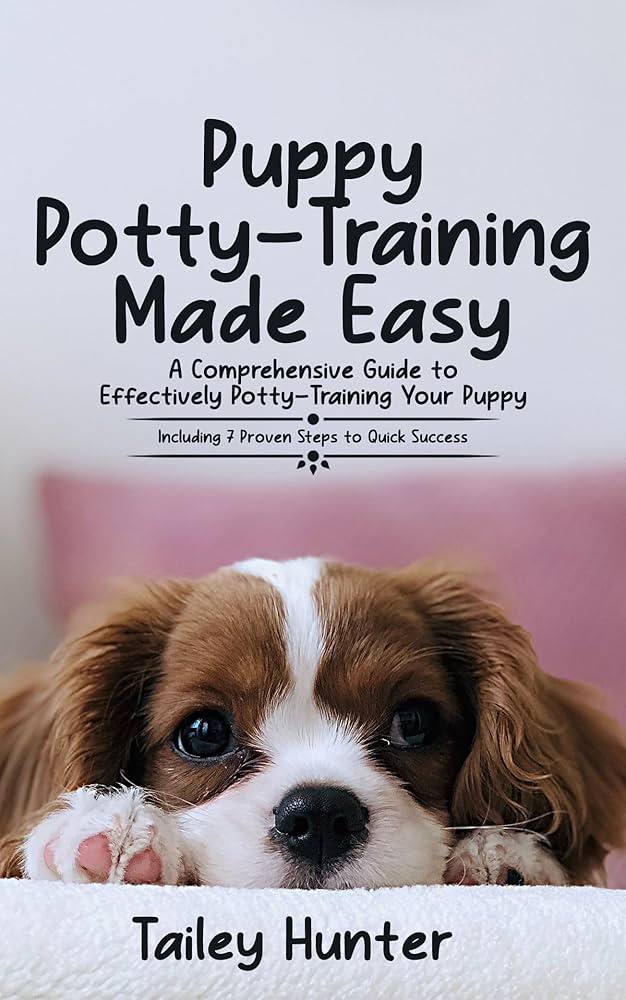
Bringing a new dog into your home is an exciting time, filled with wagging tails and endless affection. However, it also comes with responsibilities, and one of the most crucial is potty training. This process can sometimes feel like a marathon, but with patience, consistency, and the right approach, you can successfully potty train your dog, leading to a more harmonious living environment for everyone. Understanding your dog’s needs and implementing effective strategies are key to this journey.
The Foundation of Successful Potty Training
Before diving into specific techniques, it’s essential to establish a solid foundation. This involves understanding your dog’s natural instincts and creating a predictable routine. Dogs are naturally clean animals and prefer not to soil their sleeping or eating areas. Leveraging this instinct is the cornerstone of effective potty training.
Understanding Your Dog’s Signals
Dogs communicate their need to go outside in various ways. Learning to recognize these cues is paramount. Common signals include:
- Restlessness: Pacing, whining, or generally appearing unsettled.
- Circling: Spinning in a tight circle, often before squatting or lifting a leg.
- Sniffing intently: Focusing on a particular spot on the floor or carpet.
- Going to the door: Standing by the exit or scratching at it.
- Sudden cessation of play: Stopping mid-activity to focus on the need.
Catching these signals promptly allows you to intervene before an accident happens, reinforcing the desired behavior of going outside.
Establishing a Consistent Routine
Consistency is your most powerful ally in potty training. Dogs thrive on predictability, and a regular schedule helps them understand when and where they are expected to relieve themselves.
- First Thing in the Morning: Take your dog out immediately upon waking.
- After Meals and Drinks: A potty break about 15-30 minutes after eating or drinking is usually necessary.
- After Naps: Similar to waking up, a trip outside is needed after sleeping.
- After Playtime or Excitement: Energetic activity can stimulate the need to go.
- Before Bedtime: A final potty break ensures a less interrupted night.
- Every Few Hours: For puppies, this might mean every 1-2 hours. For adult dogs, every 4-6 hours may suffice once they are reliably trained.
Regularly scheduled outings, even if your dog doesn’t seem to need to go, help prevent accidents and reinforce the association between outside and elimination.
Potty Training Puppies vs. Adult Dogs
While the core principles remain the same, there are slight differences in approaching potty training for puppies and adult dogs.
Potty Training Puppies
Puppies have smaller bladders and less control, requiring more frequent outings and closer supervision. Accidents are a normal part of the process. The focus here is on building good habits from the start. Your ability to supervise closely and react quickly will significantly impact the speed of training. For those looking for a head start, exploring positive training methods for dogs can be beneficial.
Potty Training Adult Dogs
Adult dogs, especially those coming from shelters or previous homes, may have existing habits or anxieties that need to be addressed. If an adult dog is having persistent accidents, it’s crucial to rule out any underlying medical issues with a veterinarian. Sometimes, older dogs may need a refresher course or a different approach to re-establish adult dog potty training routines.
Effective Potty Training Techniques
Several methods can be employed to guide your dog towards successful potty training. The best approach often combines multiple techniques tailored to your dog’s personality and your lifestyle.
Crate Training
Crate training is a highly effective method because it leverages a dog’s natural instinct to keep their den clean. A properly sized crate (just large enough for the dog to stand up, turn around, and lie down) discourages accidents within the confined space.
- Introduce the Crate Positively: Make the crate a comfortable, safe haven with soft bedding and occasional treats.
- Establish a Potty Schedule: Take your dog out immediately upon release from the crate.
- Supervise Closely: If your dog is out of the crate, keep a watchful eye for potty signals.
Positive Reinforcement
Rewarding desired behavior is far more effective than punishment. When your dog successfully eliminates outside:
- Praise Enthusiastically: Use a happy, encouraging tone.
- Offer a High-Value Treat: A small, tasty reward immediately after they finish reinforces the positive association.
- Gentle Petting: Physical affection can also serve as a reward.
The key is to reward immediately after they finish, so they connect the reward with the act of eliminating outside.
Managing Accidents
Accidents are inevitable, but how you handle them is critical.
- Do Not Punish: Scolding, rubbing your dog’s nose in it, or punishing them after the fact will only make them fearful and may lead to them hiding their accidents. They won’t understand why they are being punished, only that you are angry.
- Interrupt and Redirect: If you catch your dog in the act, calmly interrupt them with a sound (like a clap) and immediately take them outside to their designated potty spot. If they finish outside, praise them.
- Clean Thoroughly: Use an enzymatic cleaner specifically designed for pet odors. Regular household cleaners may mask the smell for you, but your dog can still detect it, encouraging them to go in the same spot again.
Outdoor Potty Spot
Designate a specific area in your yard for your dog to do their business. This helps them associate that particular spot with elimination. Take your dog to this spot on a leash each time, especially during the initial training phases.
Advanced Training and Problem Solving
Once your dog is reliably eliminating outside, you might still encounter occasional issues or wish to refine their training further.
Dealing with Submissive Urination or Excitement Urination
Some dogs, particularly puppies or very sensitive dogs, may urinate a small amount when excited or when greeting someone. This is a sign of submissiveness or over-excitement, not defiance. The best approach is to remain calm, avoid direct eye contact initially, and let the dog approach you. For puppies, managing their excitement levels and rewarding calm greetings is key.
When to Seek Professional Help
If you’ve been consistent with training and are still struggling with frequent accidents, it might be time to consult a professional. A certified dog trainer or a veterinary behaviorist can help identify underlying issues and provide a personalized training plan. Resources like dog potty trainer near me can help you find local assistance. For those considering specific roles for their dogs, understanding the training requirements for service dog can also shed light on intensive training protocols.
Maintaining Good Habits for a Lifetime
Potty training isn’t just a phase; it’s about establishing lifelong habits. Continue to provide a consistent routine, praise your dog for successes, and promptly clean up any accidents. Regular veterinary check-ups are also important to ensure no health issues are contributing to regression.
Remember, every dog learns at their own pace. Celebrate the small victories, stay patient, and enjoy the process of building a stronger bond with your canine companion. A well-trained dog is a happy dog, and a happy dog contributes to a happy home. Investing time and effort into potty trainer for dogs strategies will pay dividends in the long run, leading to a cleaner house and a more relaxed relationship with your furry friend.
