
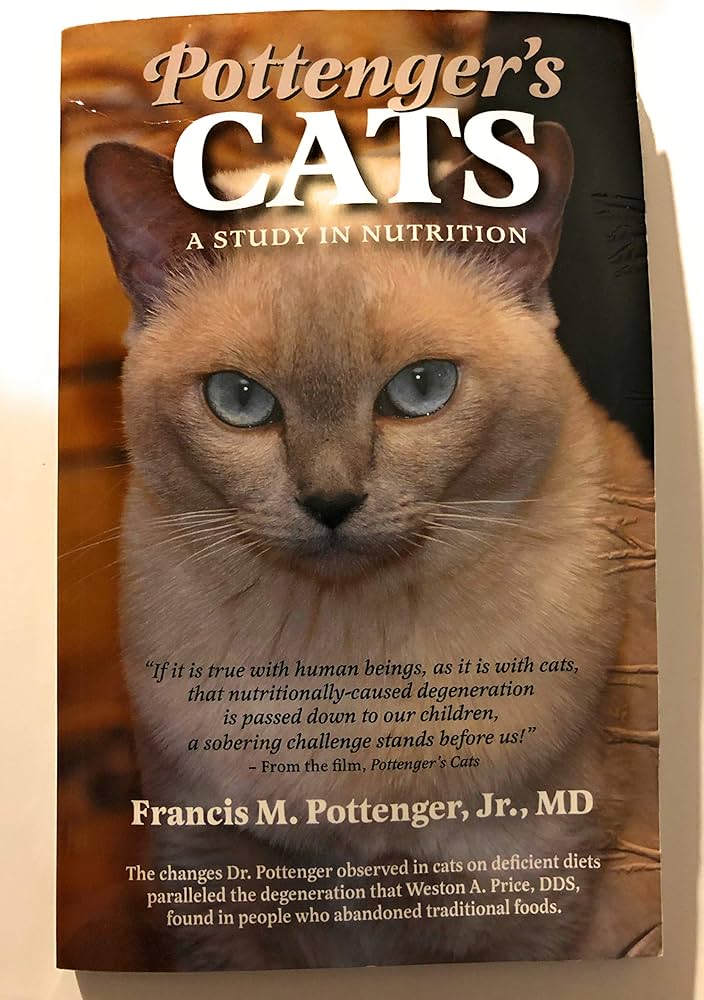
The Pottenger Cat studies, conducted between 1932 and 1942, remain a significant, albeit dated, reference point in discussions about feline nutrition, particularly concerning raw food diets. This multi-generational study, involving 900 cats, aimed to investigate the impact of heat-processed food versus raw food on feline health. Understanding the nuances of this research is crucial for modern cat owners seeking to provide optimal nutrition for their pets.
The Genesis of Pottenger’s Research
Dr. Francis Marion Pottenger Jr., a human medicine doctor, initiated his research driven by a concern for heat-labile nutrients. He hypothesized that cooking destroyed essential components in food, rendering it less nutritious. His initial observations stemmed from cats used in his adrenal gland research. These cats were fed a diet of cooked meat scraps, supplemented with raw milk and cod liver oil. Despite appearing healthy, they suffered from an unexpectedly high mortality rate. A serendipitous dietary change—swapping cooked meat for raw meat scraps due to a shift in cat numbers—led to a dramatic decrease in mortality and a significant improvement in the cats’ overall health. This led Pottenger to explore the concept of “heat-labile factors” and the potential detrimental effects of cooking on food’s nutritional value.
The Controlled Study: Meat and Milk Experiments
Pottenger designed a controlled study to systematically investigate his findings, dividing cats into groups fed either raw or cooked animal-based foods, and comparing raw versus pasteurized dairy. The study’s environment involved open-air pens, providing ample space for the feline subjects.
The Meat Study
This part of the study comprised two main groups:
- Group A: Fed a diet consisting of 2/3 raw meat, 1/3 raw milk, and cod-liver oil.
- Group B: Fed a diet of 2/3 cooked meat, 1/3 raw milk, and cod-liver oil.
The cats on the raw diet exhibited robust health, while those on the cooked diet began to show signs of degenerative diseases by the first generation. By the second generation, skeletal abnormalities were apparent, and bone calcium content dropped significantly. These kittens also had a lower average weight compared to their raw-fed counterparts. The third generation on the cooked diet developed severe degenerative diseases early in life, with many born blind and weak, experiencing significantly shorter lifespans. Reproductive issues, including infertility and stillborn litters, became rampant, and the cats on the cooked diet ultimately died out by the fourth generation. Skin diseases and allergies soared to over 90%, fur lost its sheen, and behavioral changes, such as males becoming docile and females aggressive, were observed. Skeletal deformities, thin bones, and drastically reduced calcium content were characteristic of this group. In stark contrast, the cats fed the raw diet consistently produced healthy offspring across generations.
The Milk Study
In this phase, the diet consisted of 2/3 milk and 1/3 meat, with raw meat used across all groups. Variations occurred in the milk component: raw, pasteurized, evaporated, and sweetened condensed milk.
The cats receiving raw milk were the healthiest, displaying agility, soft fur, and normal sexual behavior. Those fed pasteurized milk showed varying degrees of health issues, including arthritis, reduced reproductive efficiency, and lethargy. Their offspring experienced constitutional and respiratory problems, impaired coordination, dental deterioration, and gingival inflammation, mirroring the issues seen in the cooked meat groups. The health deterioration was more pronounced in cats fed evaporated milk, and even more severe in those given sweetened condensed milk, which also had added sugar. These cats developed significant dental abnormalities, obesity, severe skeletal deformities, a propensity for bone fractures, and exhibited nervous, irritable behavior.
Discussion and Modern Relevance
While groundbreaking for its time, the Pottenger study was conducted 70-80 years ago, before the detailed understanding of specific nutrient roles in feline health. Modern analysis, leveraging advanced technology and knowledge, points to potential limitations in the original study. These include a lack of precise scientific controls, as the cats were donated and their histories were not fully known, potentially introducing statistical errors. The composition and freshness of the diets also varied throughout the ten-year period.
Crucially, the study predates the comprehensive understanding of taurine’s vital role in feline nutrition. A deficiency in taurine can lead to many of the same degenerative signs observed by Pottenger. The reduced taurine content in cooked meats, due to the loss of water-soluble nutrients during the cooking process, could account for many of the observed health problems. This highlights the necessity for artificially supplementing taurine in commercially cooked cat foods, both dry and canned, to compensate for nutrient loss.
Pottenger’s research, despite its limitations, stands as a testament to his scientific acumen. He keenly observed and suspected nutrient deficiencies as the root cause of the observed symptoms, even without identifying taurine. His work underscores the principle that the cooking process significantly impacts the biological value of meat and the natural nutrient profile of food.
Conclusion
Dr. Pottenger’s pioneering work provides valuable insights into the potential consequences of feeding processed diets to cats. While modern nutritional science has advanced significantly, his findings serve as a powerful reminder of the importance of nutrient integrity in feline diets. For cat owners today, understanding the potential impact of food processing and ensuring adequate levels of essential nutrients like taurine are paramount for supporting long-term feline health and well-being. Consulting with veterinarians and staying informed about feline nutrition are key steps in providing the best possible care for our feline companions.
