
Welcome to the wonderful world of positive reinforcement training for your canine companions! If you’re looking to build a stronger bond with your dog while encouraging good behavior, you’ve come to the right place. Forget harsh corrections and outdated dominance theories; we’re diving deep into the most effective, humane, and enjoyable ways to train your dog. This guide will explore why positive training methods are the gold standard, how they work, and practical tips to implement them. Get ready to transform your dog’s behavior and deepen your connection.
Understanding the Power of Positive Reinforcement
At its core, positive training is all about rewarding your dog for doing what you want them to do. It’s a philosophy that focuses on building trust, communication, and a strong partnership between you and your dog. Instead of punishing unwanted behaviors, we aim to ignore them when safe and appropriate, or redirect them, while heavily rewarding desired actions. This approach not only yields better results but also makes training a fun and enriching experience for both ends of the leash.
The Science Behind the Smile
Positive reinforcement works by leveraging a dog’s natural desire for rewards. When a dog performs a desired behavior, such as sitting when asked, and is immediately rewarded with a treat, praise, or a favorite toy, they are more likely to repeat that behavior in the future. This is based on basic learning theory, specifically operant conditioning. The reward acts as a positive consequence, strengthening the association between the behavior and the positive outcome. Over time, your dog learns that performing certain actions leads to good things, making them eager to please and participate in training.
Why Choose Positive Training?
- Builds Trust and a Stronger Bond: Training becomes a collaborative game, not a battle of wills. Your dog learns to trust you and look forward to training sessions.
- Reduces Stress and Anxiety: Unlike punishment-based methods that can create fear and anxiety, positive reinforcement keeps training enjoyable and stress-free.
- Encourages Problem-Solving: Dogs learn to think and make good choices, rather than just reacting out of fear.
- Effective for All Dogs: Whether you have a rambunctious puppy or a senior dog with ingrained habits, positive methods are adaptable and effective.
- Promotes Better Communication: You learn to understand your dog’s body language and motivations, and they learn to understand your cues more clearly.
Key Positive Training Methods and Tools
Positive reinforcement isn’t just about giving treats (though treats are great!). It’s a multifaceted approach that can include various tools and techniques.
1. Reward-Based Training: Treats, Toys, and Praise
This is the cornerstone of positive training. The key is to use high-value rewards that your dog finds motivating.
- Treats: Small, soft, and delicious treats are excellent for immediate reinforcement. Think tiny pieces of chicken, cheese, or commercial training treats. The key is to use them in small quantities so they don’t unbalance your dog’s diet.
- Toys: For some dogs, a quick game of fetch or tug can be a powerful reward. This is especially useful for training sessions that incorporate play.
- Praise and Affection: Enthusiastic verbal praise (“Good boy!”) and petting can be highly rewarding, especially when combined with other rewards or used for behaviors that aren’t highly distracting.
Tip: Vary your rewards! What motivates your dog most can change depending on the situation and their mood. Always have a few different options on hand.
2. Clicker Training: The Power of a Precise Marker
Clicker training is a highly effective form of positive reinforcement that uses a small, handheld clicker as a “marker” to signal to your dog exactly when they have performed the correct behavior.
- How it Works: First, you “charge” the clicker by clicking it and immediately giving your dog a treat. You repeat this many times so the dog associates the click sound with a reward. Once the clicker is charged, you can use it during training.
- Timing is Everything: The moment your dog performs the desired behavior (e.g., their rear end touches the floor when you ask for a sit), you click the clicker. The click “marks” the exact moment of correct behavior. Immediately after the click, you deliver the reward.
- Benefits: The clicker provides incredibly precise feedback, far more so than verbal praise alone. This helps dogs learn faster and understand precisely what they are being rewarded for. This is particularly useful for teaching complex behaviors or refining subtle actions. You can find many resources on mind your manners dog training that utilize clicker training.
3. Shaping: Building Complex Behaviors Step-by-Step
Shaping is a method of teaching complex behaviors by rewarding successive approximations – small steps that gradually lead to the desired final behavior.
- Example: To teach a dog to go to their mat, you might start by rewarding them for looking at the mat, then for stepping towards it, then for putting one paw on it, then two paws, and so on, until they are lying on it.
- Patience is Key: Shaping requires patience and a keen eye to recognize and reward small progress. It’s a fantastic way to build your dog’s confidence and problem-solving skills.
4. Luring: Guiding Your Dog into Position
Luring uses a treat or toy to guide your dog into a specific position or towards a certain action.
- Example: To teach a “sit,” you might hold a treat near your dog’s nose and slowly move it upwards and slightly back over their head. As their nose follows the treat, their rear end will naturally lower into a sit. The moment they sit, you click (if using a clicker) and give the treat.
- Fading the Lure: It’s important to “fade” the lure quickly. Once the dog understands the motion, start making the hand motion without a treat in it, rewarding them after they perform the action. Eventually, you’ll transition to a verbal cue.
Putting Positive Training into Practice: Essential Tips
Successfully implementing positive training methods involves more than just handing out treats. It requires consistency, understanding, and a positive attitude.
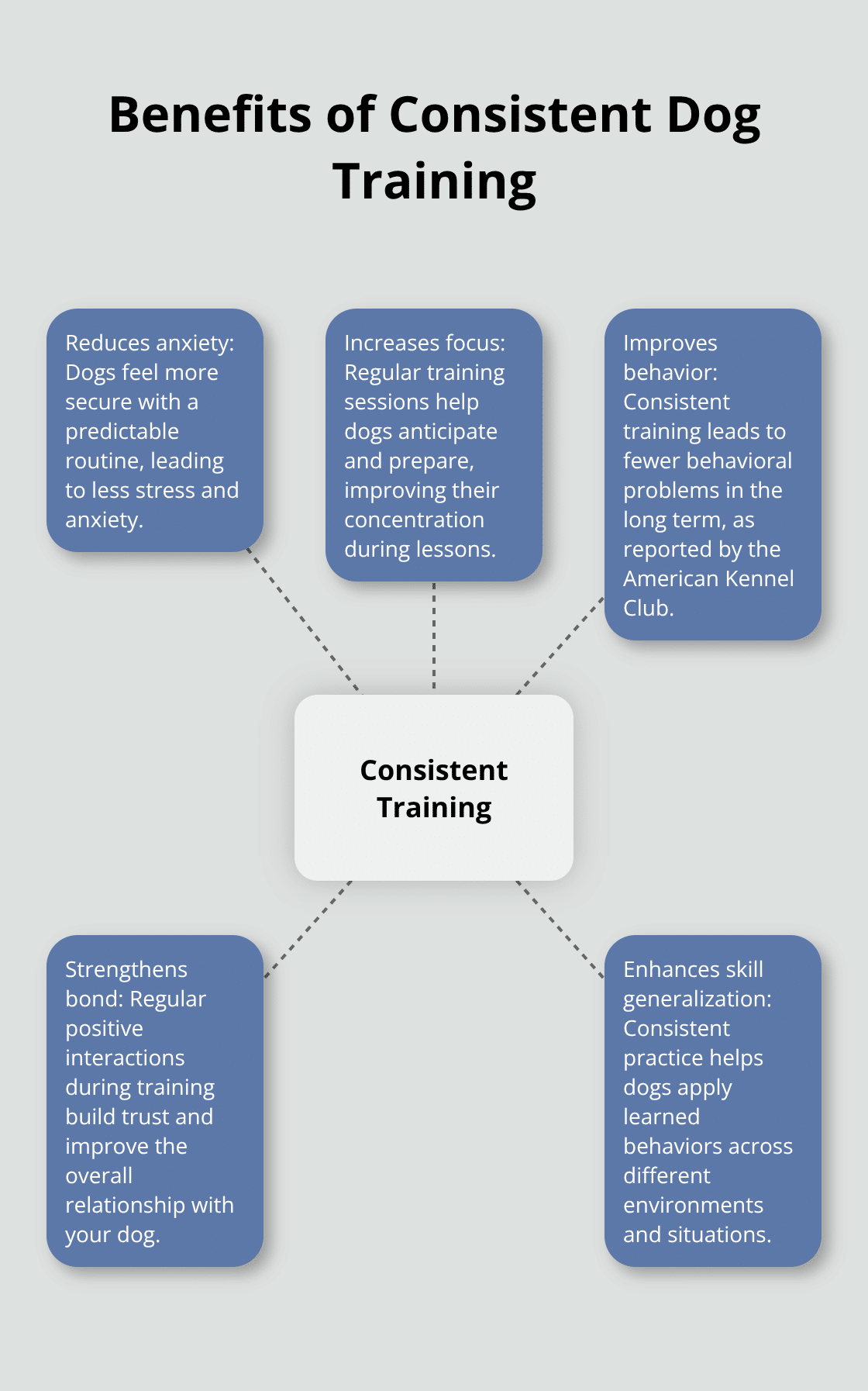
1. Consistency is Crucial
- Everyone on Board: Ensure all family members and anyone interacting with the dog use the same cues and reward system. Inconsistency confuses dogs and slows down progress.
- Regular Practice: Short, frequent training sessions (5-10 minutes, several times a day) are more effective than long, infrequent ones.
2. Timing and Rate of Reinforcement
- Immediate Rewards: Rewards must come immediately after the desired behavior. Within 1-2 seconds is ideal. This ensures your dog connects the reward with the correct action.
- High Rate for New Behaviors: When teaching a new cue or behavior, reinforce it frequently. As the dog becomes proficient, you can gradually reduce the frequency of rewards, transitioning to intermittent reinforcement, which actually makes the behavior more robust.
3. Managing the Environment
- Set Your Dog Up for Success: Before training a new skill, set up your environment to minimize distractions and increase the likelihood of your dog succeeding. For example, practice “stay” in a quiet room before trying it in the park.
- Prevent Unwanted Behaviors: Rather than waiting for your dog to chew your shoes, put them away. If your dog jumps on guests, have them on a leash or behind a baby gate until they are calm.
4. Understanding Dog Body Language
Positive training also involves understanding what your dog is telling you. Pay attention to their tail wags, ear position, posture, and vocalizations. Are they happy, stressed, confused, or excited? Knowing this helps you adjust your training and ensure you’re not pushing your dog too hard.
5. When to Seek Professional Help
While positive training is highly effective, some behaviors can be challenging. If you’re struggling with aggression, severe anxiety, or persistent behavioral issues, don’t hesitate to consult a certified professional dog trainer or a veterinary behaviorist who specializes in positive, force-free methods. They can provide personalized guidance and support. For specific training needs, exploring options like dog obedience training massachusetts can connect you with qualified professionals.
Common Scenarios and Positive Solutions
Let’s look at how positive training addresses common dog behavior challenges.
House Training
- Positive Approach: Frequent potty breaks, especially after waking up, after eating, and after play. Reward lavishly with treats and praise when your dog eliminates outside. Clean up accidents thoroughly with an enzymatic cleaner to eliminate odors that might attract them back to the same spot. Never punish your dog for accidents; they likely don’t understand why they are being punished.
Leash Pulling
- Positive Approach: Reward your dog with treats and praise when the leash is slack. If they pull, simply stop walking. Wait until the leash slackens (even for a second) before resuming your walk. You can also use a front-clip harness, which can help reduce pulling by redirecting the dog’s forward momentum. This method encourages them to walk nicely by your side to keep the walk moving. Many trainers also utilize specific gear, like an in training vest for dogs, to signal to the dog that they are in a “working” or “training” mode.
Barking
- Positive Approach: Identify the trigger for the barking. If it’s boredom, increase exercise and mental stimulation. If it’s alert barking, teach a “quiet” cue by rewarding silence after a bark or two. You can also teach your dog to bark on cue and then to be quiet on cue, giving them more control. For persistent barking, consider resources on cesar millan videos dog training, focusing on his positive techniques for managing excessive vocalization.
Jumping Up
- Positive Approach: When your dog jumps, turn away or step back, withholding attention. Only give them attention (praise, petting) when all four paws are on the floor. You can also teach an alternative behavior, like “sit,” and ask them to sit when greeting people.
The Long-Term Benefits of Positive Training
Investing time and effort into positive training methods pays dividends throughout your dog’s life. You’ll have a well-behaved companion who is a joy to be around. Beyond the immediate behavioral improvements, you’ll cultivate a relationship built on mutual respect and understanding. This deepens the human-animal bond, making your life and your dog’s life richer. Whether you’re teaching basic obedience or advanced tricks, the positive training journey is one of continuous learning, connection, and fun for both you and your beloved dog. Remember that different breeds may have varying training needs, and understanding these can be especially helpful when considering something like how to train a hunting dog if you have a sporting breed.
Frequently Asked Questions About Positive Dog Training
Q1: Is positive reinforcement effective for stubborn or difficult dogs?
A1: Absolutely. “Stubbornness” in dogs often stems from a lack of clear communication, fear, or a mismatch in motivation. Positive reinforcement provides clear communication and high-value rewards that can motivate even the most seemingly “stubborn” dogs.
Q2: How long does it take to see results with positive training?
A2: Results vary depending on the dog, the behavior being trained, and the consistency of the owner. Basic cues like “sit” or “stay” can often be taught within a few days or weeks. More complex behaviors or resolving ingrained issues may take longer, but progress is usually consistent with positive methods.
Q3: What if my dog doesn’t seem motivated by treats?
A3: Explore other high-value rewards! Some dogs are more motivated by praise, a favorite toy, a game of tug, or even a special activity like going for a walk. Observe your dog to discover what truly makes them excited.
Q4: Is it okay to use physical punishment if my dog doesn’t listen?
A4: No, it’s not recommended. Physical punishment can damage your relationship with your dog, lead to fear and anxiety, and may even cause aggression. Positive reinforcement focuses on building a trusting relationship and rewarding good behavior.
Q5: Can positive training help with aggression?
A5: Yes, positive training methods, often combined with behavior modification techniques and professional guidance, are the most effective and humane way to address aggression. The focus is on changing the dog’s emotional response to triggers and teaching them alternative, calmer behaviors.
Q6: Do I need special equipment for positive training?
A6: Not necessarily. While tools like clickers, treat pouches, and comfortable harnesses can be helpful, the most important “equipment” is your consistency, patience, and positive attitude.
Q7: How do I transition from luring to a verbal cue?
A7: Once your dog reliably follows the lure into the desired position, start asking for the behavior with the verbal cue just before you lure. Then, gradually make the lure motion smaller and smaller until you can just use the verbal cue. Reward immediately after they perform the action.
By embracing positive training methods, you’re not just training a dog; you’re building a lifelong partnership based on trust, respect, and shared joy. Happy training!
