
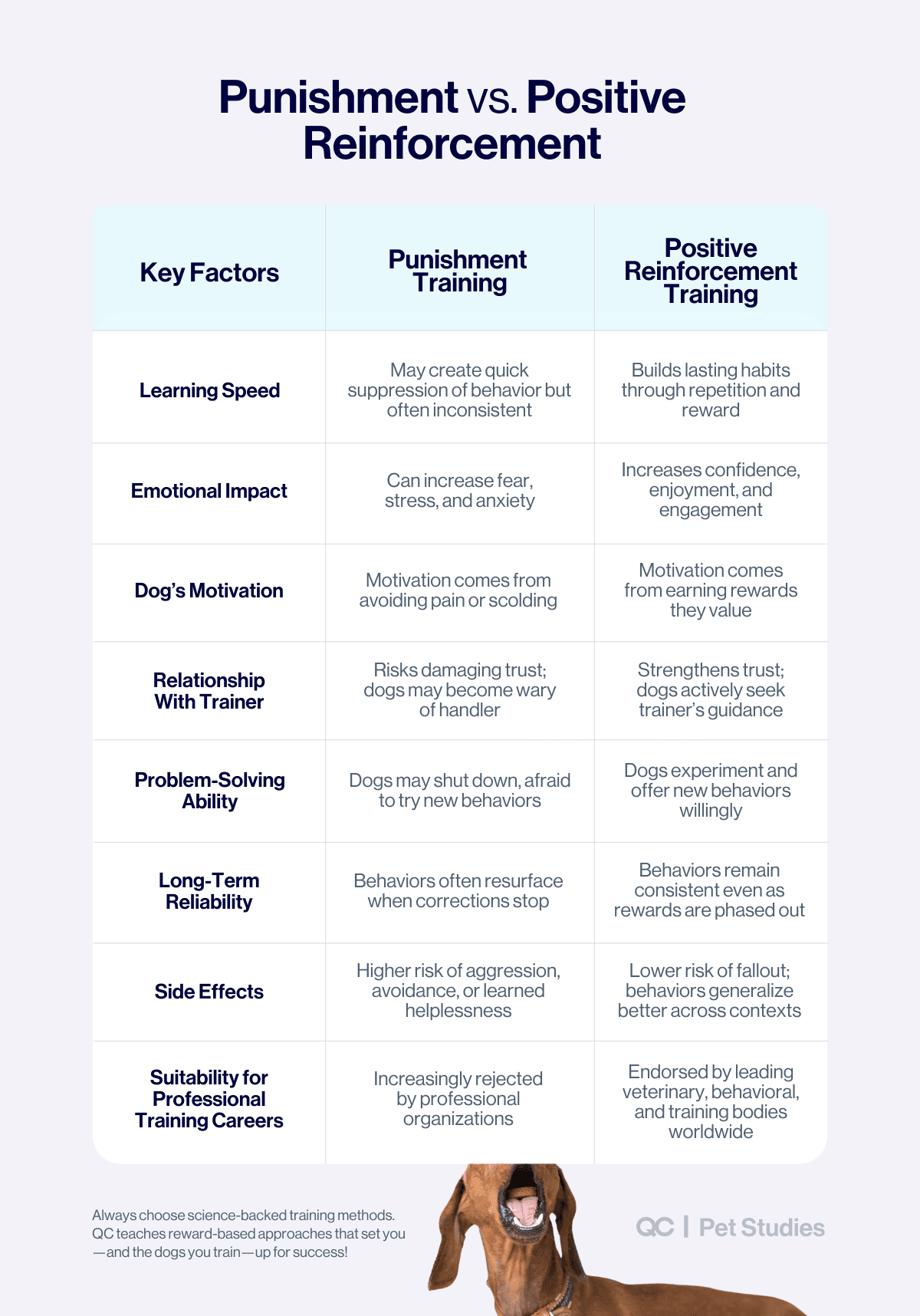
Dealing with aggression in dogs can be challenging, but understanding and applying positive reinforcement techniques can lead to significant improvements. This approach focuses on rewarding desired behaviors, making it a humane and effective method for modifying aggression. Instead of punishment, which can often exacerbate fear and anxiety, positive reinforcement builds trust and encourages your dog to offer calmer, more acceptable responses. It’s about teaching your dog what to do rather than punishing them for what they are doing.
Understanding Dog Aggression
Aggression in dogs isn’t a single behavior but a spectrum of responses that can stem from various underlying causes. Identifying the root of the aggression is the first crucial step. Common triggers include fear, anxiety, frustration, territoriality, pain, or resource guarding. For instance, a dog might show aggression when a stranger approaches their food bowl (resource guarding) or when they feel cornered and threatened (fear-based aggression). Understanding these triggers is key to developing a targeted training plan.
Fear-Based Aggression
Fear is a powerful motivator, and for some dogs, it manifests as aggression. They may lash out because they feel unsafe or threatened. This can happen when a dog is startled, cornered, or exposed to something new and frightening, like loud noises or unfamiliar people. A dog exhibiting fear-based aggression might show subtle signs like lip licking, yawning, or whale eye before escalating to growling, lunging, or biting.
Resource Guarding
This type of aggression occurs when a dog perceives a threat to something they value, such as food, toys, a resting spot, or even a person. They may display possessive behaviors, growling or snapping at anyone who approaches their prized possession. This is a natural instinct, but it needs to be managed carefully to ensure safety.
Frustration- и Lack of Socialization
Sometimes, aggression can stem from pent-up energy or frustration, especially in dogs that aren’t getting enough mental and physical stimulation. Similarly, a lack of proper socialization during their critical developmental periods can lead to dogs being unsure or fearful of new environments, people, or other animals, which can then manifest as aggression. For owners seeking guidance on early socialization, exploring resources on loyal companion dog training can provide valuable insights.
The Principles of Positive Reinforcement
Positive reinforcement, at its core, means adding something the dog likes to increase the likelihood of a behavior happening again. For aggression, this means rewarding calm, neutral, or incompatible behaviors when the dog is in a situation that might normally trigger their aggression. It’s a process of management, desensitization, and counter-conditioning.
Management is Key
Before you even start training, effective management is crucial to prevent rehearsal of aggressive behaviors. This means identifying your dog’s triggers and avoiding them as much as possible while you work on training. For example, if your dog is reactive on leash, keep them away from high-traffic dog walking areas. If they guard their food, feed them in a secure, undisturbed location. This prevents them from practicing the unwanted behavior and potentially having negative interactions.
Desensitization and Counter-Conditioning
These two techniques work hand-in-hand.
- Desensitization involves exposing your dog to their trigger at a very low intensity – so low that they don’t react aggressively. This might mean seeing another dog at a great distance, or having someone approach their food bowl slowly and calmly.
- Counter-conditioning pairs the trigger with something the dog absolutely loves, like high-value treats or a favorite toy. The goal is to change the dog’s emotional response from negative (fear, anxiety) to positive (anticipation of good things).
For example, if your dog barks aggressively at other dogs on walks, you would start by walking your dog at a distance where they can see another dog but remain calm. As soon as they notice the other dog, you would immediately give them a super tasty treat. When the other dog disappears, so does the treat. This teaches your dog that seeing another dog predicts delicious rewards, rather than something to be feared or barked at.
Implementing Positive Reinforcement for Aggression
Successfully using positive reinforcement requires patience, consistency, and a deep understanding of your dog’s body language.
Rewarding Calmness
Actively look for and reward moments of calm. If your dog is in a situation that usually triggers them but is currently behaving calmly, offer praise and a treat. This could be as simple as them noticing another dog at a distance and not reacting, or someone approaching their space without any signs of tension.
Teaching Alternative Behaviors
Instead of just trying to suppress aggression, teach your dog what you want them to do.
- “Look at Me” or “Watch Me”: Teach your dog to make eye contact with you on cue. This is incredibly useful for redirecting their attention away from a trigger. When they are about to react, ask them to “watch me,” and reward them heavily for focusing on you instead of the trigger.
- “Go to Mat” or “Place”: Train your dog to go to a designated mat or bed and stay there. This is excellent for situations where a trigger might enter their space, like visitors. It gives them a clear job to do and a safe place to retreat.
- “Leave It”: Crucial for resource guarding, teaching your dog to disengage from an item when asked.
For those looking for structured guidance, finding a qualified dog trainer in Tucson AZ who specializes in positive reinforcement can be invaluable.
Gradual Exposure and Setting for Success
Always work below your dog’s threshold – the point at which they start to feel overwhelmed and react aggressively. Start with very mild versions of the trigger and gradually increase the intensity as your dog shows they are comfortable and succeeding. If your dog reacts, you’ve gone too fast or too far. Simply increase the distance or decrease the intensity of the trigger and try again.
Using High-Value Rewards
When working with aggression, standard kibble often won’t cut it. You need to use extremely enticing treats that your dog only gets during training sessions. Think small pieces of cooked chicken, cheese, hot dogs, or commercial training treats specifically designed for high-value rewards. The reward must be more appealing than the trigger itself.
When to Seek Professional Help
While positive reinforcement is powerful, some cases of aggression are complex and require expert intervention. If you are dealing with severe aggression, or if your efforts are not yielding positive results, it is imperative to consult with a qualified professional.
Choosing the Right Professional
Look for professionals who explicitly use and advocate for positive reinforcement methods. This might include:
- Certified Professional Dog Trainers (CPDT-KA or CPDT-KSA): These trainers have passed rigorous exams and adhere to a code of ethics.
- Veterinary Behaviorists (DACVB): These are veterinarians with specialized training in animal behavior and can diagnose medical conditions contributing to aggression.
- Certified Applied Animal Behaviorists (CAAB): These individuals have advanced degrees in animal behavior.
A trainer experienced in working with aggression using positive methods can help you create a tailored plan, identify subtle triggers you might miss, and provide guidance through challenging situations. For example, if you’re in a specific region and need local expertise, searching for a dog training club St Petersburg can connect you with reputable resources.
What to Expect from a Professional
A good professional will:
- Conduct a thorough assessment of your dog’s history, behavior, and triggers.
- Develop a clear, step-by-step training plan focused on positive reinforcement.
- Teach you how to read your dog’s body language accurately.
- Provide ongoing support and adjust the plan as needed.
- Emphasize management strategies to ensure safety.
The Long-Term Outlook
Transforming an aggressive dog’s behavior using positive reinforcement is a journey, not a quick fix. It requires immense dedication from the owner and a deep commitment to understanding and meeting the dog’s needs. However, the rewards—a calmer, happier dog, a stronger bond, and a safer environment for everyone—are immeasurable. By focusing on building positive associations and teaching your dog alternative ways to cope with their triggers, you can help them overcome aggression and live a more fulfilling life. Remember, every small step forward is a victory, and consistency is your greatest ally.
