
Poodles, with their distinctive appearance and remarkable intelligence, are much more than just “fancy” dogs. They are beloved companions known for their vibrant personalities, athletic abilities, and a deep-seated desire to please. Whether you’re a first-time Poodle owner or looking to deepen your understanding of this magnificent breed, mastering comprehensive Poodle Care is key to ensuring a long, healthy, and happy life for your furry friend. From daily routines to recognizing breed-specific health challenges, this guide provides essential insights for dedicated Poodle parents. These elegant dogs form strong bonds with their families, making them excellent companions for all ages, with many people even considering senior toy poodles for adoption as wonderful additions to their homes.
Understanding Your Poodle: Traits and Temperament
Poodles are celebrated for a combination of appealing characteristics and specific needs that prospective and current owners should be aware of. They are highly energetic, active, and athletic dogs, renowned for their above-average intelligence and trainability, especially when positive reinforcement methods are employed. Their hypoallergenic coat sheds very little, a significant advantage for allergy sufferers. Poodles boast quirky, entertaining personalities, are people-oriented, and eager to please, generally getting along well with children and other pets.
However, their “fancy” reputation also comes with responsibilities. Poodles require a substantial amount of exercise and mental stimulation to thrive. Without it, they can become rambunctious and rowdy, particularly during their younger years. They are sensitive by nature and can be slow to mature. A tendency to bark excessively can develop if not addressed through consistent training. Furthermore, Poodles are prone to boredom and separation anxiety, which can manifest as destructive chewing or howling behaviors. Their distinctive coat demands regular professional grooming to prevent matting and maintain skin health. Poodles originated in Germany as waterfowl hunters, with their characteristic “Poodle Clip” designed to aid efficient swimming while protecting joints from cold.
General Health Information for Optimal Poodle Care
Caring for your Poodle means being proactive about their health. Understanding common health concerns allows for tailored preventive care, aiming to mitigate predictable risks. Many conditions have genetic components, meaning Poodles may be more predisposed than other breeds. This section covers general health issues vital for all dog owners, alongside crucial Poodle-specific considerations.
Dental Disease
Dental disease is the most widespread chronic health problem in pets, affecting a vast majority of dogs by age two. Unfortunately, Poodles are more susceptible to dental issues than many other breeds. It begins with tartar buildup, progressing to gum infections and damage to the teeth’s roots. Untreated, it can lead to tooth loss and systemic damage to kidneys, liver, heart, and joints, potentially shortening your Poodle’s lifespan by years. Regular professional cleanings and diligent home care, including brushing their teeth frequently, are essential for maintaining oral health.
 A Standard Poodle sitting attentively, demonstrating its calm and intelligent demeanor, often seen in pet dental care advertisements
Infections
Like all dogs, Standard Poodles are vulnerable to bacterial and viral infections such as parvovirus, rabies, and distemper. Fortunately, many of these serious diseases are preventable through a comprehensive vaccination schedule recommended by your veterinarian based on your dog’s age, local disease prevalence, and lifestyle factors.
Obesity
Obesity poses a significant health risk for Standard Poodles. It’s a serious condition that can cause or exacerbate joint problems, metabolic and digestive disorders, back pain, and heart disease. While it’s tempting to offer treats and human food, overfeeding can lead to severe health consequences. Instead, encourage activity, offer affection, or engage in play to show your love, contributing to a healthier, happier Poodle.
Parasites
A wide range of internal and external parasites can affect your Poodle. External parasites like fleas, ticks, and ear mites can infest their skin and ears, causing discomfort and potential skin issues. Internal parasites such as hookworms, roundworms, heartworms, and whipworms can be contracted from contaminated water or soil, or through mosquito bites. Some parasites can even be transmitted to humans. Regular testing and preventive medications are crucial to protect your Poodle from pain, discomfort, and potentially fatal conditions.
Spay or Neuter
Spaying (for females) or neutering (for males) is one of the most beneficial procedures for your Poodle’s long-term health. This surgical removal of ovaries and uterus (females) or testicles (males) significantly reduces the risk of certain cancers and eliminates the possibility of unwanted litters. It also provides an opportunity during anesthesia to address other potential health concerns, such as hip X-rays or puppy tooth extractions, making it more convenient for owners and less stressful for the pet. Pre-surgical blood tests help identify and mitigate anesthetic or surgical risks.
Genetic Predispositions: Health Concerns Specific to Poodles
Poodles, like many purebred dogs, have specific genetic predispositions to certain health conditions. Awareness of these allows for early detection and intervention, which can dramatically improve your Poodle’s quality of life.
Bloat
Gastric dilatation volvulus (GDV), commonly known as bloat, is a life-threatening condition prevalent in deep-chested breeds like Poodles. It occurs when the stomach twists and fills with gas, cutting off blood supply to the stomach and sometimes the spleen. This condition is rapidly fatal if left untreated, often within minutes to hours. Symptoms include retching without vomiting, restlessness, an enlarged abdomen, or a “prayer position.” Preventive surgery (gastropexy) can tack the stomach in place to reduce twisting risk. If you suspect bloat, such as noticing signs like my old dog has a swollen stomach, immediate emergency veterinary care is crucial.
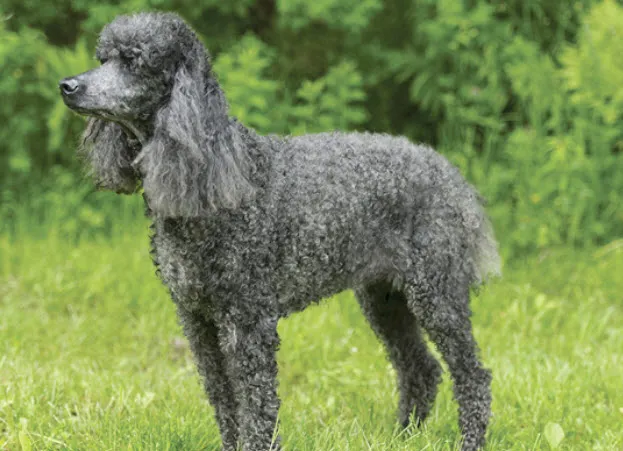 A Standard Poodle with its iconic fluffy head and neck, looking alert and showcasing its breed-specific features
Heart Disease
Standard Poodles are particularly prone to dilated cardiomyopathy (DCM), a severe heart condition where the heart becomes enlarged, thin, and weak, impairing its ability to pump blood effectively. As DCM progresses, symptoms may include weakness, fatigue, fainting, labored breathing, or coughing. Annual electrical heart screenings (ECG) and/or echocardiograms starting at age one can help detect abnormal heart rhythms early. Treatment typically involves medication and may include dietary supplements.
Eye Problems
Proper eye function is critical for a dog’s quality of life, and Poodles can inherit or develop various eye conditions, some of which can cause blindness or significant pain. Regular eye evaluations are essential.
- Glaucoma: This painful disease rapidly leads to blindness if untreated. Symptoms include squinting, watery eyes, corneal bluing, and redness in the whites of the eyes. Annual glaucoma screenings are vital for early diagnosis and treatment. Glaucoma is a medical emergency requiring immediate veterinary attention.
- Cataracts: A common cause of blindness in older Poodles, cataracts involve the eye lenses becoming opaque or cloudy. While many dogs adapt well to vision loss, surgical removal of cataracts can restore sight.
Adrenal Gland Disorders
Poodles are at increased risk for two adrenal gland dysfunctions:
- Hypoadrenocorticism (Addison’s Disease): Occurs when adrenal glands fail to produce sufficient hormones. Symptoms often mimic other diseases, but a specialized blood test can confirm Addison’s. Untreated, it can be fatal.
- Hyperadrenocorticism (Cushing’s Disease): The adrenal glands produce too much steroid hormone. This condition develops slowly, with early signs easily missed. Symptoms include increased thirst, urination, appetite, reduced activity, a potbelly, thin skin, and hair loss. Treatment typically involves oral medications and close veterinary monitoring.
Bleeding Disorders
Several inherited bleeding disorders can affect Poodles, ranging in severity. These often go unnoticed until a serious injury or surgery.
- Hemolytic Anemia and Thrombocytopenia: Immune-mediated conditions where the body’s immune system attacks its own red blood cells or platelets. This can lead to anemia, weakness, lethargy, or impaired blood clotting, causing bruising or abnormal bleeding. Steroids, immune-suppressive drugs, and emergency transfusions may be necessary.
- Von Willebrand’s Disease: A common blood clotting disorder in Poodles. Diagnostic testing for clotting times or a specific DNA blood test is recommended before any surgical procedures.
Bone and Joint Problems
Musculoskeletal issues are reported in Standard Poodles, but early diagnosis and treatment can prevent pain.
- Patellar Luxation: The kneecap (patella) slips out of place, causing skipping or hopping. Mild cases may only require arthritis medication, while severe cases may need surgery.
- Hip and Elbow Dysplasia: Inherited diseases leading to improper joint development and arthritis. Symptoms include stiffness, lameness, or difficulty rising. Early treatment, including medication and X-rays, is crucial. Surgery may be an option for severe cases. Maintaining a healthy weight is vital, as overweight dogs often develop arthritis earlier.
Epilepsy
Primary or idiopathic epilepsy, an inherited condition causing seizures, is common in Standard Poodles. Episodes typically begin between six months and three years of age. A diagnostic workup helps determine the cause, and lifelong medication is usually necessary to manage seizures. During a seizure, prevent injury but avoid interfering with the dog’s mouth or tongue. Note the seizure length and contact your vet or an emergency hospital.
Diabetes Mellitus
Poodles have an above-average incidence of diabetes, a disease where the body cannot regulate blood sugar. It requires daily insulin injections. Early diagnosis is critical, with symptoms including increased eating, drinking, urination, and weight loss. Treatment requires significant commitment, but well-regulated diabetic dogs can have a normal life expectancy.
Allergies
Unlike humans who sneeze, dogs with allergies (atopy) experience itchy skin. Poodles frequently suffer from this, with affected areas including feet, belly, skin folds, and ears. Symptoms often start between one and three years old and can worsen annually, presenting as paw licking, face rubbing, and frequent ear infections. Various effective treatment options are available.
Skin Conditions
Poodles are prone to several skin problems, including sebaceous adenitis, which typically develops between one and five years of age. Symptoms include dry, scaly skin with patches of hair loss on the head, neck, and back. Treatment is usually long-term and may involve a combination of approaches, including fatty acid supplements and specialized shampoos. Early intervention generally yields better results.
 A Standard Poodle looking content and healthy, exemplifying a well-cared-for dog, often associated with breed-specific health guides
Kidney Disease
Glomerulonephropathy is an inherited disease that progressively damages your Poodle’s kidneys, often leading to early kidney failure. Damaged kidneys leak protein, so annual urine tests for excessive protein are vital for early diagnosis. Early detection facilitates more effective and affordable treatment plans, which may include a special diet. Understanding conditions such as stage 3 kidney disease in dogs symptoms can help in recognizing warning signs and seeking timely veterinary care.
Cancer
Cancer is a leading cause of death in older dogs, and Poodles, often living longer than many breeds, are more susceptible in their golden years. Many cancers are curable with surgery, and some respond to chemotherapy. Early detection is paramount, requiring periodic diagnostic tests and vigilant examination for lumps and bumps.
Dental Abnormalities
Genetically induced dental abnormalities are relatively common in purebred dogs like Poodles. These include malocclusions (overbites or underbites), oligodontia (missing teeth), and misaligned teeth. Such issues can cause problems but can often be corrected with braces or extractions to maintain oral health.
Thyroid Problems
Poodles are prone to hypothyroidism, a condition where the body doesn’t produce enough thyroid hormone. Signs include dry skin and coat, hair loss, increased susceptibility to other skin diseases, weight gain, fearfulness, aggression, and other behavioral changes. Annual blood tests screen for this disease, and treatment typically involves simple hormone replacement pills.
Comprehensive Home Poodle Care Strategies
Maintaining your Poodle’s happiness and health largely depends on consistent, common-sense care practices. This involves a structured routine for diet, exercise, grooming, and knowing when to seek veterinary help. Enrolling in pet health insurance is also a wise decision to help manage potential medical costs throughout their life.
Routine Care, Diet, and Exercise
Integrating routine care into your schedule helps your Poodle live longer, stay healthier, and be happier. The importance of proper diet and exercise cannot be overstated.
- Supervision: Treat your Poodle as you would a toddler. Keep doors closed, pick up potential hazards, and block off unsafe areas to prevent them from ingesting inappropriate objects.
- Grooming: Regular brushing and professional grooming are vital to prevent mats and maintain their elegant look. You can find more specific tips on poodle hair care to keep their coat beautiful.
- Dental Hygiene: Poodles frequently experience serious dental problems, necessitating brushing their teeth at least three times a week.
- Ear Cleaning: Clean their ears weekly, even from puppyhood. Your vet can demonstrate the correct technique.
- Mental and Physical Activity: As intelligent and energetic dogs, Poodles require consistent mental and physical stimulation to prevent boredom, which can lead to destructive behaviors. They love water, making swimming an excellent form of exercise. Poodles also excel in dog sports like obedience, agility, and even hunting.
- Diet: Maintain a consistent diet with high-quality food appropriate for their age. Avoid feeding them human food.
- Exercise: Exercise your Poodle regularly, but introduce new activities gradually to avoid overexertion.
- Companionship: Poodles are adaptable and affectionate, bringing immense joy to any household. Their intelligence and generally good nature make them excellent companions, often fitting well into various family dynamics, including being considered among medium size dogs for seniors due to their manageable size and engaging personalities.
 A Standard Poodle enjoying an outdoor walk on a leash, illustrating the breed's need for regular exercise and active lifestyle
What to Watch For
Any unusual symptom could signal a minor, temporary issue or a serious underlying disease. Knowing when and how urgently to seek veterinary help is crucial. Many conditions present with a characteristic combination of symptoms that indicate a need for professional attention.
When to Call Your Vet
Schedule an appointment if you observe any of these signs:
- Changes in appetite or water consumption.
- Tartar buildup, bad breath, red gums, or broken teeth.
- Itchy skin (scratching, chewing, licking), hair loss.
- Lethargy, mental dullness, or excessive sleeping.
- Fearfulness, aggression, or other behavioral changes.
- Dull coat, hair loss, sluggishness, weight gain.
- Any new lumps or bumps, regardless of size.
When to Seek Emergency Care
Seek immediate medical attention if you notice any of these critical signs:
- Scratching or shaking the head, tender ears, or ear discharge.
- Inability or straining to urinate; discolored urine.
- Cloudiness, redness, itching, or any other eye abnormality.
- Dry heaving or a large, tight, painful abdomen (possible bloat).
- Fainting, collapse, breathing difficulties, or persistent coughing.
- General listlessness, droopy facial expression, vomiting, or diarrhea.
- Increased drinking and urination, increased appetite with weight loss, potbelly, poor haircoat (possible diabetes or Cushing’s).
- Gums that are any color other than a normal bright pink.
- Any abnormal shaking, trembling, or excessive involuntary tremors (possible seizures).
- Leg stiffness; reluctance to rise, sit, use stairs, run, or jump; “bunny hopping” gait.
Poodle care requires dedication, but the rewards of a healthy, happy, and well-adjusted companion are immeasurable. By understanding their unique needs and staying vigilant about their health, you can ensure your Poodle thrives as a cherished member of your family. Always consult your veterinarian for personalized advice and care for your beloved Poodle.
