
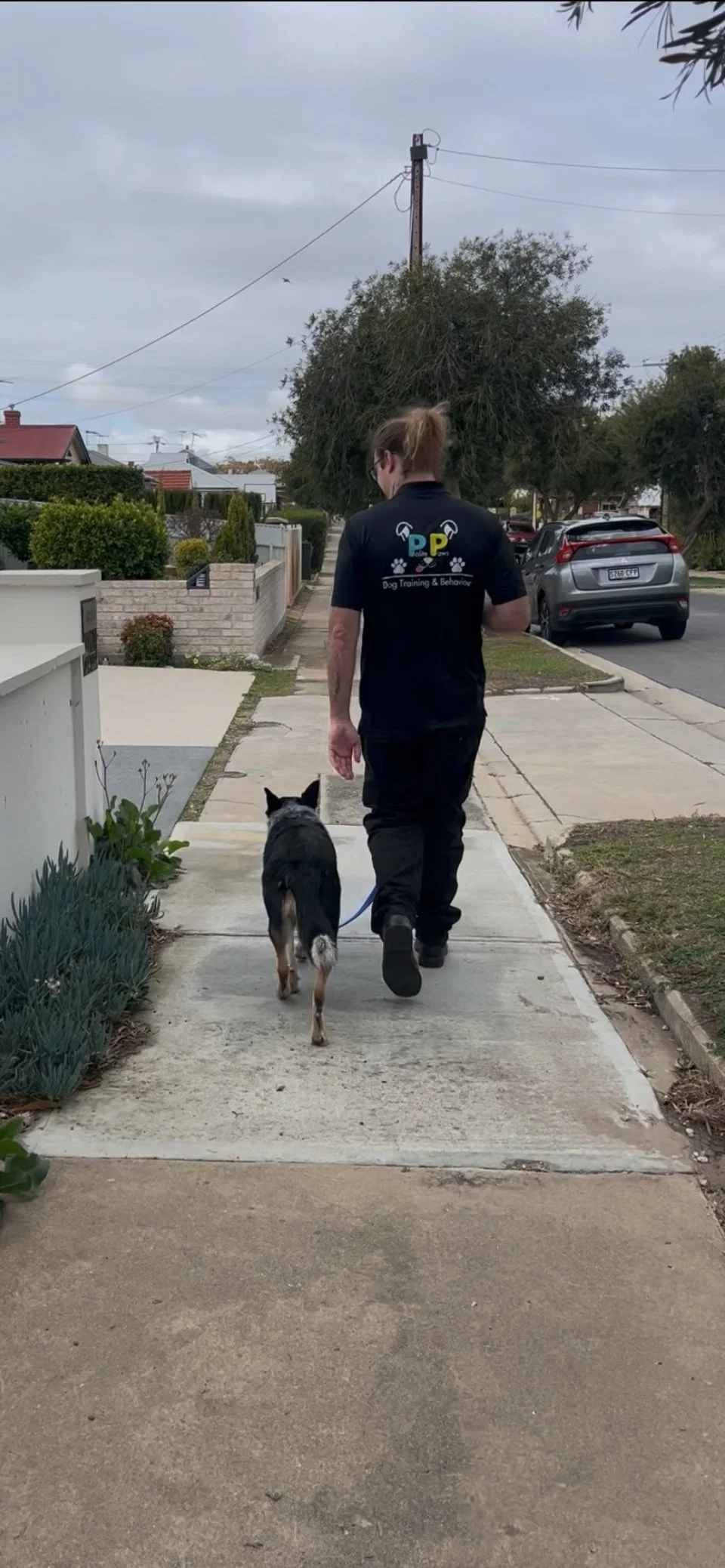
Welcome to the world of canine companionship, where every wagging tail and happy bark tells a story. At Dog Care Story, we’re passionate about nurturing the incredible bond between humans and their four-legged friends. This journey, however, isn’t always smooth sailing. Sometimes, our beloved pups need a little guidance to navigate the human world, and that’s where Polite Paws Dog Training comes into play. It’s more than just teaching tricks; it’s about fostering clear communication, mutual respect, and a deeper understanding that strengthens your relationship for years to come.
Have you ever wished your dog could understand you better, or found yourself wondering why they do certain things? You’re not alone. Many dog owners seek effective ways to train their dogs, not just for obedience, but for a more harmonious life together. Polite paws dog training offers a positive and effective approach, focusing on rewarding good behavior and building a foundation of trust. This method emphasizes patience and consistency, ensuring that training is a rewarding experience for both you and your dog.
The Heart of Polite Paws: Understanding Your Dog’s Perspective
Before diving into specific training techniques, it’s crucial to understand where your dog is coming from. Dogs perceive the world differently than we do, relying on scent, body language, and a deep connection to their pack – which is now you! Polite paws dog training acknowledges this unique perspective. Instead of relying on harsh corrections, which can lead to fear and anxiety, this philosophy champions positive reinforcement. This means rewarding your dog for desired behaviors, making them more likely to repeat them. Think of it as a cooperative effort: you’re teaching your dog how to live successfully in your world, and they’re learning to trust you as their guide.
One of the core principles is understanding canine body language. A wagging tail doesn’t always mean happiness; it can indicate excitement, nervousness, or even agitation. Learning to read these subtle cues is a vital part of effective training. When you can understand your dog’s emotional state, you can tailor your approach, preventing misunderstandings and building a stronger connection. This empathetic approach is the bedrock of building polite paws.
Essential Foundations for Polite Paws Dog Training
Every successful training journey begins with a solid foundation. For polite paws dog training, this involves several key elements:
Establishing Clear Communication
Dogs thrive on predictability and clear signals. Using consistent verbal cues and hand signals is paramount. For instance, always use the same word, like “sit,” and pair it with a consistent hand gesture. This consistency helps your dog understand exactly what you’re asking. Remember, dogs don’t inherently understand English; they learn to associate sounds and actions with specific outcomes.
- Consistency is Key: Ensure everyone in the household uses the same commands and signals.
- Keep it Simple: Start with basic commands before moving to more complex ones.
- Positive Tone: Always maintain a positive and encouraging tone of voice.
Positive Reinforcement: The Reward System
This is the cornerstone of polite paws dog training. Positive reinforcement involves rewarding your dog immediately after they perform a desired behavior. Rewards can include:
- Treats: Small, high-value treats are excellent motivators.
- Praise: Enthusiastic verbal praise like “Good boy!” or “Yes!”
- Affection: A gentle scratch behind the ears or a loving pat.
- Toys: A favorite toy can be a great reward for some dogs.
The key is to deliver the reward immediately after the desired behavior so your dog clearly associates the action with the positive outcome. This makes training enjoyable and effective, turning learning into a fun game. For those looking to deepen their understanding of reward-based methods, how to dog training offers comprehensive insights.
Socialization: Building a Confident Canine Citizen
Proper socialization is critical, especially for puppies, but beneficial for dogs of all ages. Exposing your dog to various sights, sounds, people, and other well-behaved dogs in a positive and controlled manner helps them develop into well-adjusted adults. A confident dog is more likely to be a polite dog, less prone to fear-based aggression or anxiety.
- Early Exposure: Introduce puppies to new experiences between 3 and 16 weeks of age.
- Controlled Environments: Ensure interactions are positive and safe.
- Gradual Introduction: Don’t overwhelm your dog; introduce new stimuli gradually.
Understanding Breed-Specific Needs
While the principles of polite paws dog training are universal, it’s important to recognize that different breeds have different temperaments, energy levels, and inherent traits. For example, a high-energy breed like a Border Collie will require more physical and mental stimulation than a more laid-back breed like a Basset Hound. Understanding these nuances allows you to tailor your training and exercise routines to meet your dog’s specific needs. For instance, if you own a powerful breed, learning about specific training approaches is essential. Exploring cane corso dog training can provide valuable context for owners of similarly robust breeds.
Key Training Techniques for Polite Paws
Once the foundations are in place, you can introduce specific training techniques. Polite paws dog training advocates for methods that are humane, effective, and build a strong partnership.
Basic Obedience Commands
Mastering basic commands is fundamental for polite paws. These commands not only ensure safety but also provide mental stimulation for your dog.
Sit
- Hold a treat near your dog’s nose.
- Move the treat upwards and slightly back over their head.
- As their nose follows the treat, their rear end should naturally lower into a sit.
- The moment their bottom touches the ground, say “Sit” and give them the treat and praise.
- Repeat several times in short sessions.
Stay
- Ask your dog to sit.
- Hold your hand up in a “stop” signal and say “Stay.”
- Take one step back. If your dog remains seated, return and reward them.
- Gradually increase the distance and duration of the stay. If they move, gently guide them back to their original position and try again.
Come (Recall)
This is arguably the most important command for safety.
- Start in a quiet, enclosed area.
- Get down to your dog’s level and enthusiastically call their name followed by “Come!”
- As they run towards you, offer praise and a high-value treat.
- Never punish your dog if they eventually come to you, even if it took a while. You want them to associate coming to you with positive experiences. Practicing recall is part of most important tricks to teach your dog.
Leash Training: A Polite Walk
Walking politely on a leash prevents pulling and makes walks enjoyable for both of you.
- Introduce the Collar/Harness: Let your dog get used to wearing it indoors.
- Attach the Leash: Reward your dog for standing loosely while the leash is attached.
- Start Walking Indoors: Reward for walking beside you without pulling.
- Move Outdoors: Begin in quiet areas and gradually introduce more distractions.
- Stop the Pull: If your dog pulls, simply stop walking. Only resume when the leash slackens. This teaches them that pulling halts the fun.
Addressing Common Behavioral Issues
Polite paws dog training also provides strategies for common issues like jumping, barking, and chewing.
Jumping Up
Instead of pushing your dog off, turn away and ignore them when they jump. Only give them attention (praise, petting) when all four paws are on the floor. You can also teach them an alternative behavior, like sitting, to greet people.
Excessive Barking
Identify the trigger for the barking. If it’s boredom, increase exercise and mental stimulation. If it’s at the door, teach a “quiet” command or a “go to your mat” cue. Using a training clicker for dogs can be very effective in marking the exact moment your dog is quiet.
Destructive Chewing
Ensure your dog has plenty of appropriate chew toys. If they chew on forbidden items, redirect them to a toy and praise them for chewing the right thing. Puppy-proofing your home by removing tempting items is also crucial.
The Lifelong Journey of Polite Paws
Training isn’t a one-time event; it’s an ongoing process that evolves as your dog grows and matures. Maintaining polite paws requires continued effort, patience, and a commitment to understanding your dog. As you continue this journey, remember that every interaction is a training opportunity. Whether you’re practicing a new trick, going for a walk, or simply relaxing at home, you’re reinforcing your bond and shaping your dog’s behavior.
Consider exploring you and your dog training & services to find resources that can further support your training endeavors. The goal is not just a well-behaved dog, but a happy, confident companion who understands their place in your life and trusts you implicitly. The effort you invest in polite paws dog training will undoubtedly pay dividends in the form of a deeper, more meaningful relationship with your canine best friend.
Frequently Asked Questions about Polite Paws Dog Training
Q1: How long does it take to train a dog with the polite paws method?
A1: Training times vary depending on the dog’s age, breed, temperament, and the owner’s consistency. However, the polite paws approach focuses on consistent progress rather than a fixed timeline, emphasizing a strong bond throughout the process.
Q2: Is positive reinforcement effective for all dogs, including stubborn ones?
A2: Yes, positive reinforcement is highly effective for all dogs. “Stubbornness” often stems from a lack of clear communication or understanding. By finding the right motivators and maintaining consistency, even the most “stubborn” dogs can learn and thrive.
Q3: Should I use treats for every training command?
A3: Treats are excellent for initial learning and high-distraction environments. As your dog becomes more proficient, you can phase them out gradually, replacing them with praise, affection, or play. However, always keep high-value treats handy for challenging situations or new commands.
Q4: What if my dog is fearful or anxious? Can I still use polite paws training?
A4: Absolutely. Polite paws training is ideal for fearful or anxious dogs because it builds trust and confidence without causing further distress. It focuses on creating positive associations and moving at the dog’s pace, ensuring they feel safe and secure.
Q5: How do I handle guests visiting my home if my dog tends to jump?
A5: Instruct your guests beforehand to ignore your dog when they jump. Have your dog on a leash or in a designated “place” command before guests arrive. Reward your dog with praise and treats when they greet guests calmly with all four paws on the floor.
Q6: Can older dogs be trained using the polite paws method?
A6: Yes, dogs of any age can learn. While puppies may pick up new behaviors faster, older dogs are certainly capable of learning and benefiting immensely from positive training methods. It’s a wonderful way to strengthen your bond at any stage of life.
Q7: What are the signs of a confident and well-adjusted dog trained with polite paws?
A7: Signs include relaxed body language, a wagging tail (that isn’t stiff or rapid), willingness to explore new environments, friendly interactions with people and other dogs, and responding readily to cues without fear or hesitation.
In conclusion, embracing the principles of polite paws dog training is an investment in a lifelong, joyful partnership. It’s about understanding, communication, and building a relationship based on trust and mutual respect. By consistently applying these positive methods, you’ll not only have a well-behaved companion but a deeply connected family member. The journey of training is as rewarding for you as it is for your dog.
