
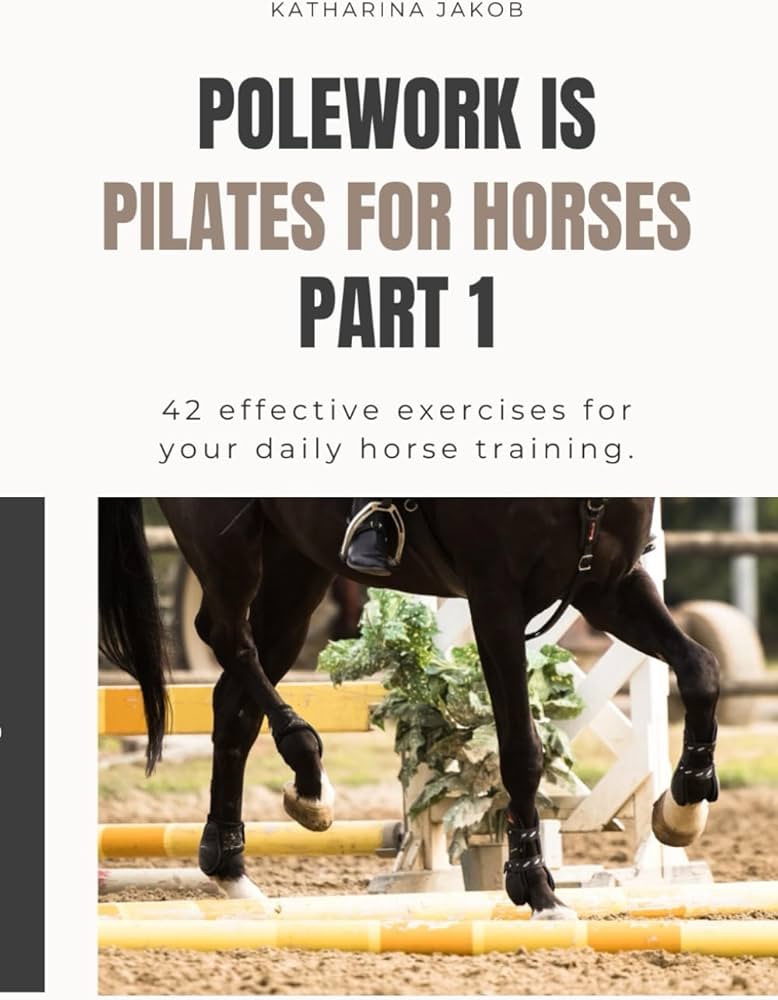
Pole training, also known as ground poles or cavaletti work, is a versatile and highly beneficial exercise for horses of all disciplines and levels. This method involves having your horse walk, trot, or canter over a series of poles laid on the ground. Far from being just a simple exercise, pole training engages multiple muscle groups, improves balance and coordination, builds strength, and enhances proprioception – the horse’s awareness of its own body in space. It’s a low-impact activity that can be incorporated into almost any training routine, offering a safe yet effective way to improve your horse’s athleticism and responsiveness.
Whether you’re aiming to improve your horse’s jumping form, develop a more powerful trot, or simply enhance overall fitness and soundness, incorporating pole work can unlock significant potential. This guide will delve into the various aspects of pole training, from its fundamental benefits to practical implementation, helping you and your equine partner excel.
Understanding the Benefits of Pole Training for Horses
The advantages of pole training extend beyond mere physical conditioning. It addresses several key areas critical for a horse’s performance and well-being:
- Improved Strength and Muscle Development: As horses step over poles, they are encouraged to lift their knees higher and engage their abdominal and hindquarter muscles more effectively. This consistent engagement leads to increased strength and tone, particularly in the topline and core.
- Enhanced Coordination and Balance: Navigating poles requires precise foot placement and body awareness. Horses learn to better coordinate their leg movements and maintain balance, which is crucial for complex maneuvers and varied terrain.
- Increased Proprioception: Pole work sharpens a horse’s ability to sense the position of its limbs in space. This heightened awareness translates to better footwork, fewer mistakes, and increased confidence.
- Better Joint Mobility and Flexibility: The act of stepping over poles encourages greater flexion in the joints, helping to keep them supple and reducing the risk of stiffness.
- Refined Response to Aids: Pole training often requires subtle rider cues for rhythm and stride adjustments. This can improve the horse’s sensitivity and responsiveness to the rider’s aids.
- Mental Engagement and Focus: For many horses, pole work provides a welcome change of pace and a mentally stimulating challenge, helping to keep them engaged and focused during training sessions.
- Injury Prevention and Rehabilitation: Due to its low-impact nature, pole training is often used in rehabilitation programs to help horses recover from injuries. It can also be used proactively to strengthen specific areas prone to strain.
Setting Up Your Pole Work Arena
The beauty of pole training lies in its simplicity and adaptability. You don’t need a fancy arena; a flat, safe area is sufficient.
Pole Spacing and Configuration
The spacing of your poles is perhaps the most critical element and depends entirely on your horse’s stride length and the gait you are working in.
- Walking Poles: For walking, poles should be spaced approximately 2.5 to 3 feet apart. This encourages a natural, elevated walk.
- Trot Poles: For trotting, the spacing needs to be wider, typically 4 to 4.5 feet apart. This allows the horse to maintain a regular trot stride without rushing or breaking gait. You might need to experiment slightly to find the perfect distance for your horse.
- Canter Poles: Canter poles are spaced even wider, generally around 8 to 10 feet apart. This is more challenging and usually reserved for more advanced work, often incorporated into grids or courses.
Configuration Options:
- Straight Line: The most basic setup, a single line of poles.
- Circles: Laying poles in a circle or arc can help improve suppleness and balance. Spacing here is often slightly adjusted due to the curved path.
- Serpentine: Alternating between straight lines and curves over poles.
- Gridwork: A more advanced setup where poles are combined with small jumps or varying distances to create a gymnastic exercise.
Equipment and Safety
- Poles: Use standard ground poles, PVC poles, or even sturdy logs. Ensure they are secure and won’t roll.
- Arena Surface: A well-maintained, level surface is essential to prevent trips or slips.
- Horse and Rider Preparedness: Ensure your horse is warmed up properly before starting pole work. As a rider, maintain a balanced seat and clear aids.
Implementing Pole Training in Your Routine
The key to successful pole training is gradual progression and attentiveness to your horse’s responses.
Starting Out: The Basics
- Introduce Poles Slowly: Begin with just one or two poles placed at a walking distance. Let your horse walk over them calmly, allowing them to get accustomed to the sensation.
- Maintain Rhythm: Encourage a steady, rhythmic walk. Avoid rushing or pushing the horse.
- Increase Gradually: Once your horse is comfortable, gradually increase the number of poles and then introduce trotting.
- Focus on Quality: Prioritize a correct, balanced stride over speed or quantity. It’s better to do a few poles correctly than many poorly.
Progression and Variations
As your horse gains confidence and strength, you can introduce more challenging exercises:
- Varying Spacing: Slightly alter the distance between poles to encourage adjustments in stride length.
- Introducing Transitions: Practice walking-to-trot and trot-to-walk transitions over the poles. This sharpens responsiveness and balance.
- Incline/Decline Poles: If your arena allows, setting poles on a slight hill can add an extra challenge for hindquarter engagement.
- Pole “Ladders”: Two parallel lines of poles with a gap in between, requiring precise steering and stride control.
- Combining with Riding: Incorporate pole work into your regular flatwork sessions. For instance, ride a circle around a set of trot poles, or a serpentine pattern over a line of poles. If you are interested in horse training jumping, pole work is a fundamental building block.
Specific Applications
- For Dressage Horses: Pole work can improve the quality of gaits, collection, and extension, as well as suppleness through turns and serpentines. It’s a great way to build the foundational strength needed for advanced dressage movements, similar to how tennessee walking horse training methods focus on specific gait refinement.
- For Show Jumpers: Pole exercises are invaluable for developing jumping form, stride accuracy, and the ability to collect and extend the canter. They help horses develop the “bascule” (the arc of the jump) and improve their jumping technique. This is a crucial part of how to train a police horse for obstacle courses.
- For Western Horses: Pole work can enhance responsiveness, balance, and agility, which are essential for reining, cutting, and other western disciplines.
- For Young or Green Horses: It provides a safe and engaging way to build confidence, body awareness, and basic fitness. It’s a gentle introduction to gymnastic exercises, much like early stages of sr horse training.
Troubleshooting Common Issues
- Horse Rushing Poles: This often indicates the spacing is too tight, the horse is anxious, or the rider is inadvertently encouraging speed. Slow down, check pole spacing, and focus on a calm, rhythmic approach.
- Horse Avoiding Poles: The horse might be unsure, the poles could be too high (if not on the ground), or the horse could be anticipating difficulty. Go back to basics with fewer poles, ensure they are clearly visible, and use a confident, steady rider.
- Inconsistent Strides: This can be due to lack of rider impulsion, poor rider balance, or incorrect pole spacing. Ensure you are providing consistent forward energy and check that the pole distances match your horse’s natural stride for the given gait.
- Horse Tripping: This is a safety concern. Ensure poles are secure, the ground is level, and the horse is lifting its feet adequately. Review the pole spacing – if it’s too wide for the gait, the horse might struggle to clear them.
Advanced Pole Work and Grids
Once your horse is proficient with ground poles, you can progress to more complex exercises.
Gridwork
Gridwork involves setting poles and jumps in a specific sequence with calculated distances. This helps horses develop technique, rhythm, and adjustability. For instance, a grid might start with trot poles leading to a small cross-rail, followed by a few strides to a higher vertical. This type of exercise is fundamental for horse training jumping.
Combining Gaits and Transitions
Set up poles on a circle, and practice transitioning from walk to trot as you enter the poles, or from trot to canter as you exit. This requires significant rider skill and horse responsiveness.
Exercises for Specific Goals
- Collection and Extension: Set poles with slightly varying distances to encourage the horse to shorten or lengthen its stride naturally.
- Hindquarter Engagement: Poles placed on a curve or in a serpentine pattern demand more engagement from the hind end to navigate the turns smoothly.
- Lateral Work: Incorporating poles into lateral movements like leg-yields or shoulder-in can challenge the horse’s balance and proprioception.
Conclusion: Elevate Your Horse’s Performance with Pole Training
Pole training is an indispensable tool in the modern horse trainer’s arsenal. Its ability to build strength, improve coordination, and enhance the horse-physicist relationship makes it a cornerstone for developing a well-rounded, athletic, and responsive equine partner. By understanding the principles of pole work, implementing it thoughtfully, and progressing gradually, you can unlock significant improvements in your horse’s overall performance and well-being. Whether your aim is competitive success or a more harmonious partnership, incorporating these simple yet powerful exercises will undoubtedly lead to “Equine Excellence.” Remember, consistency, patience, and a keen eye for your horse’s needs are paramount.
Frequently Asked Questions about Pole Training for Horses
- What is the ideal spacing for trot poles?
The ideal spacing for trot poles is typically between 4 to 4.5 feet (approximately 1.2 to 1.4 meters) apart. However, this can vary based on your horse’s individual stride length and the quality of their trot. It’s always best to experiment to find the perfect distance. - How many poles should I use when starting?
When beginning pole work, start with just one or two poles. This allows your horse to acclimate to the exercise without feeling overwhelmed. Gradually increase the number as your horse becomes more comfortable and confident. - Can pole training help with jumping issues?
Absolutely. Pole training is foundational for jumping. It helps horses develop better foot placement, stride accuracy, and rhythm, all of which are crucial for approaching fences confidently and successfully. It aids in developing the necessary muscle memory for gymnastic exercises. - Is pole training suitable for all horses?
Yes, pole training is highly adaptable and beneficial for horses of all ages, breeds, and disciplines. It’s a low-impact activity that can be modified for rehabilitation purposes as well as for training elite athletes. - How often should I incorporate pole work into my training?
Pole work can be integrated into your routine 1-3 times per week, depending on your horse’s workload and fitness level. It can be a warm-up, a cool-down, or a dedicated training session. Consistency is more important than frequency. - What are the signs my horse is struggling with pole work?
Signs of struggle can include rushing the poles, refusing to go over them, tripping, breaking gait, or showing signs of anxiety. If you notice these, it’s important to reassess your setup, pole spacing, and your own riding aids, and potentially simplify the exercise.
