
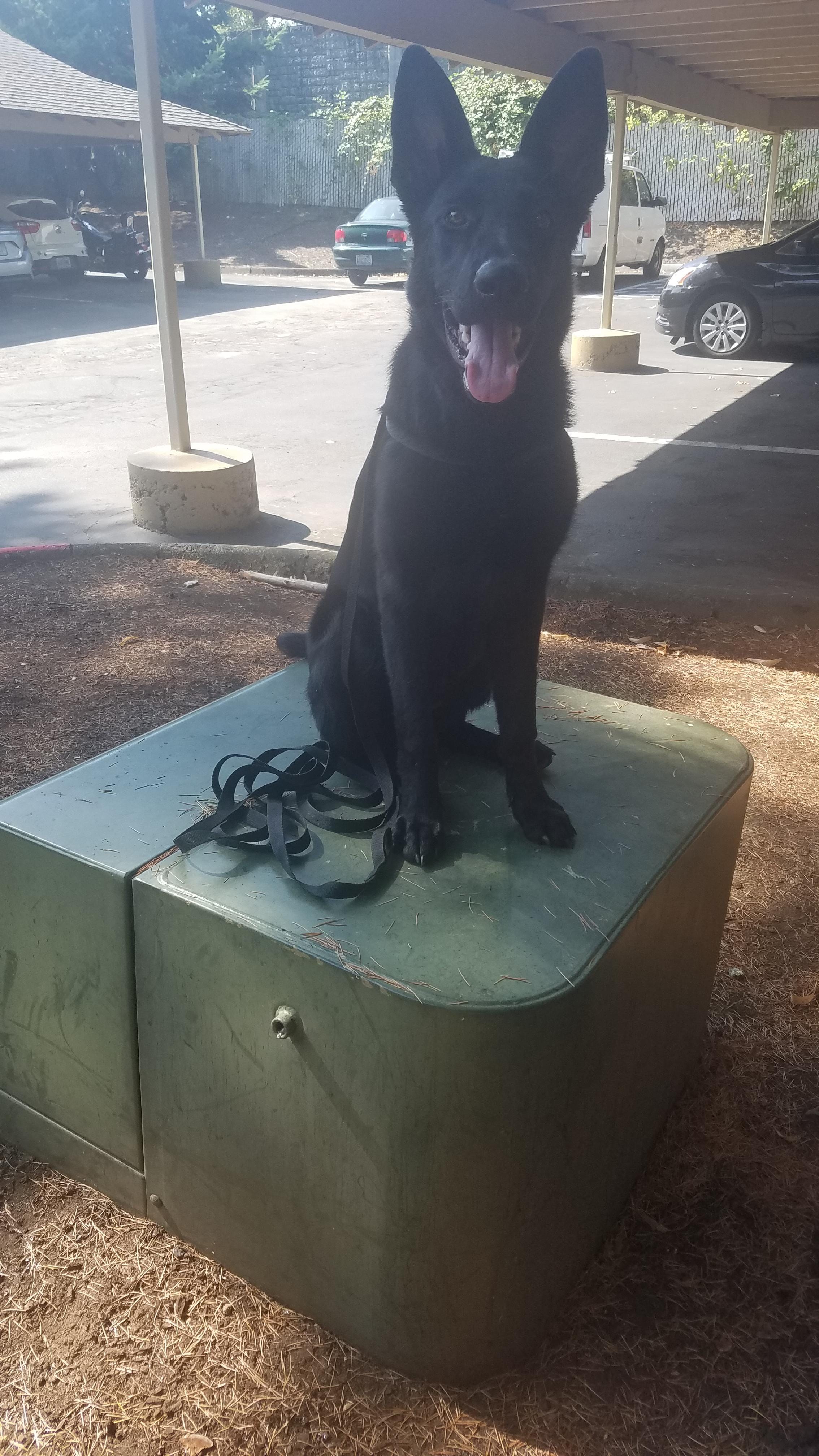
Training your dog to use a designated place, like a mat or a bed, is a fundamental aspect of good canine behavior and management. This skill, often referred to as “place training,” offers numerous benefits, from managing your dog’s excitement to providing them with a safe and secure spot in your home. The journey to mastering this command involves consistency, patience, and understanding your dog’s needs. This guide will delve into the intricacies of dog place training platforms, offering insights into their significance, how to choose the right one, and effective training techniques to help your dog succeed.
Understanding the “Place” Command
The “place” command teaches your dog to go to a specific spot (their “place”) and stay there until released. This isn’t just about obedience; it’s about teaching impulse control and giving your dog a job. When a dog understands “place,” they can be cued to settle down during mealtimes, when guests arrive, or when you need a moment of peace. It provides a clear boundary and a predictable routine for your dog, which can significantly reduce anxiety and improve overall behavior.
Why is “Place” Training So Important?
- Impulse Control: It teaches dogs to manage their excitement and resist the urge to greet visitors at the door or beg for food.
- Relaxation: It gives dogs a clear indication that it’s time to settle down, promoting calmness.
- Management Tool: Essential for situations like vet visits, grooming, or when you need your dog out of the way safely.
- Reduces Destructive Behaviors: A dog on “place” is less likely to engage in chewing or other unwanted behaviors out of boredom or anxiety.
- Builds Confidence: Successfully learning and performing the command boosts a dog’s confidence and strengthens the bond with their owner.
Choosing the Right Dog Place Training Platform
The “platform” in place training refers to the designated area your dog is trained to go to. This could be a mat, a dog bed, a rug, or even a specific spot on the floor. The key is that it’s a consistent and clearly defined space.
Types of Place Platforms:
- Training Mats: These are often made of durable, easy-to-clean materials like vinyl or rubber. They are lightweight and portable, making them ideal for training on the go. Some mats have raised edges to further define the space.
- Dog Beds: A comfortable dog bed can serve as an excellent place. Opt for one that is appropriately sized for your dog, offering enough space to lie down comfortably but not so large that it encourages wandering. Beds with a slight bolster can help define the space and provide a sense of security.
- Rugs or Mats: A specific rug or even a designated floor mat can work. The key is to make it distinct from the surrounding area, perhaps through color, texture, or by its placement.
Factors to Consider When Selecting a Platform:
- Size: Ensure the platform is large enough for your dog to comfortably lie down, sit, or stand on without their paws hanging off the edge.
- Durability: Dogs may chew or scratch at their place, especially during the initial training phases. Choose a material that can withstand some wear and tear.
- Portability: If you plan to use the place command in various locations (e.g., at the park, at a friend’s house), a portable option is beneficial.
- Ease of Cleaning: Accidents can happen during training. A platform that is easy to wipe down or machine washable is a practical choice.
- Comfort: While the primary goal is training, your dog should find their place comfortable enough to relax on.
Effective Techniques for Dog Place Training
Place training is a gradual process that builds upon basic obedience and confidence. It’s crucial to introduce it positively and progressively.
Step-by-Step Training Guide:
Introduction to the Place:
- Start by luring your dog onto the platform with a high-value treat.
- As soon as all four paws are on the platform, praise and reward them.
- Repeat this several times, gradually increasing the duration they stay on the platform before rewarding.
- Keep sessions short and positive.
Adding the Cue Word:
- Once your dog readily goes to the platform when lured, start saying the cue word (e.g., “Place,” “Mat,” “Bed”) just as they are about to step onto it.
- Continue to reward them heavily for getting on the platform.
Duration and Distance:
- Begin asking your dog to stay on the place for increasing amounts of time. Start with just a few seconds, then gradually extend to 30 seconds, a minute, and so on.
- While they are on “place,” start taking one step back. If they stay, return, praise, and reward. If they move, calmly guide them back to their place and try again with less distance.
- Gradually increase the distance you move away, eventually working up to leaving the room for short periods.
Adding Distractions:
- Once your dog is reliably going to their place and staying for a reasonable duration, introduce mild distractions. This could be you walking past them, dropping a toy, or making a light noise.
- As your dog’s ability to remain on “place” improves, you can increase the level of distraction. This is where the command becomes truly practical for real-life situations.
Fading Lures and Rewards:
- As your dog understands the command, begin to fade the lures and treats. You can start rewarding intermittently, and eventually, use praise and petting as the primary reinforcement.
- The “place” itself becomes a reward, as it signifies a safe, calm space for the dog.
Tips for Success in Place Training:
- Use High-Value Rewards: Especially in the early stages, use treats your dog absolutely loves.
- Keep Training Sessions Short and Fun: 5-10 minutes, a few times a day, is more effective than one long, frustrating session.
- Be Patient: Every dog learns at their own pace. Some pick it up quickly, while others need more time and repetition.
- End on a Positive Note: Always aim to end each training session with a successful repetition.
- Avoid Punishment: If your dog gets off their place, don’t scold them. Simply guide them back gently and try again with a less challenging scenario. The goal is to make the “place” a positive experience.
- Generalize the Command: Once your dog masters their place at home, practice in different environments with varying levels of distraction. This is where resources like best dog training resources can be invaluable.
“Place training isn’t just about teaching a dog to stay put; it’s about teaching them how to be a calm, well-adjusted member of the family. It gives them structure and a sense of security.” – Dr. Sarah Miller, Canine Behaviorist.
Addressing Common Challenges in Place Training
Even with the best intentions, challenges can arise. Understanding these common issues and how to address them can make a significant difference.
Dog Won’t Go to Their Place:
- Cause: The association with the place might not be positive enough, or the dog is unsure what is expected.
- Solution: Go back to basics. Use irresistible treats and enthusiastic praise to encourage them onto the place. Ensure the platform is comfortable and inviting. Consider if there are any environmental stressors making them hesitant. You might find services like dog boarding and training near me can offer personalized help if you’re struggling at home.
Dog Keeps Getting Off Their Place:
- Cause: The dog hasn’t fully grasped the “stay” component, distractions are too high, or the duration is too long.
- Solution: Reduce the duration and distractions. Practice in a quieter environment. Ensure you are rewarding them for staying on the place, not just for getting on it. Gradually increase the difficulty. If you’re consistently struggling, it might be worth considering how to hire a dog trainer who can provide tailored guidance.
Dog is Anxious or Stressed on Their Place:
- Cause: The place might be associated with negative experiences, or the training has been too intense.
- Solution: Make the place a sanctuary. Feed meals there, give puzzle toys there, and practice short, positive sessions. Ensure the training is always rewarding and never forced. The idea is for the place to be a safe haven, not a punishment zone.
The Broader Impact of a Well-Trained Dog
Mastering the “place” command is a significant step in your dog’s overall training journey. A dog that reliably goes to their designated spot is easier to manage in daily life, leading to a more harmonious relationship between dog and owner. This training can be applied to various situations, from simply settling your dog down for the night to more complex scenarios. Think of the heartwarming tales, like a film about dog at train station, where a dog’s understanding of commands and their bond with their human allows for remarkable loyalty and resilience.
Conclusion: Building a Foundation of Trust and Calm
Place training is more than just a trick; it’s a foundational skill that fosters communication, impulse control, and a deeper bond between you and your canine companion. By choosing the right platform and employing patient, positive training methods, you can empower your dog to understand and respond to the “place” command confidently. This not only improves your dog’s behavior but also enhances your quality of life together, creating a more peaceful and enjoyable environment for everyone. Remember, consistency and positive reinforcement are your greatest allies in this rewarding training endeavor.
