
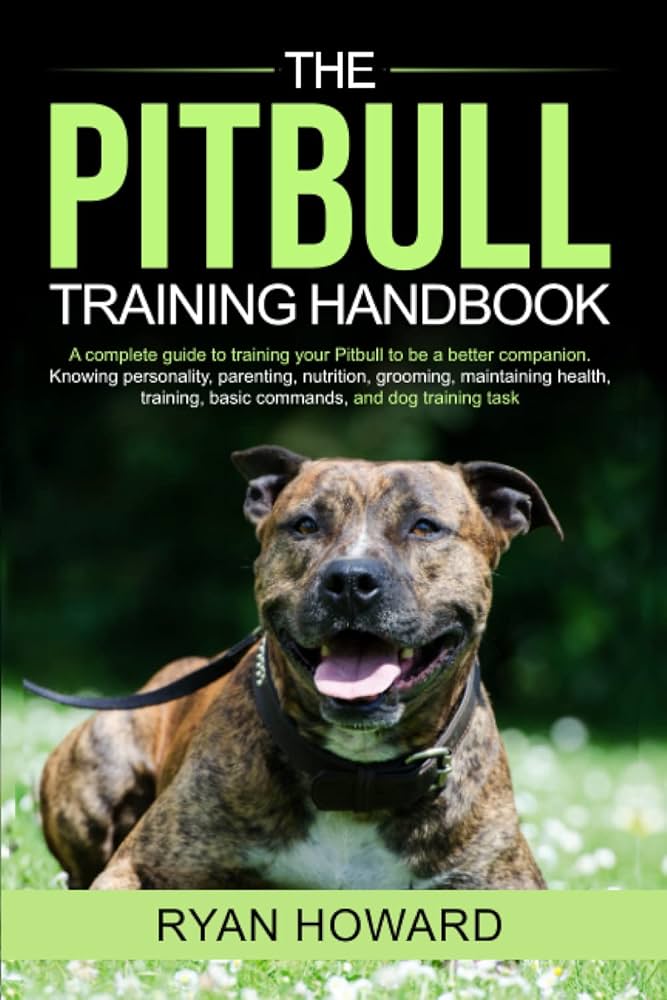
Welcoming a Pitbull into your home means embarking on a rewarding journey filled with loyalty, affection, and the occasional mischievous adventure. These dogs, often misunderstood, are incredibly intelligent, eager to please, and capable of forming deep bonds with their families. However, like any breed, they thrive with consistent, positive training. This guide delves into essential Pitbull Dog Training Tips to help you cultivate a well-behaved, confident, and happy canine companion. Whether you’re a first-time Pitbull owner or looking to refine your training techniques, these insights will pave the way for a harmonious life together.
Understanding the Pitbull Temperament
Before diving into specific training methods, it’s crucial to understand the general temperament of Pitbull-type dogs. Often characterized by their muscular build and tenacious spirit, they are also known for their affectionate nature and goofy personalities when raised in loving environments. Historically bred for fighting, modern Pitbulls have been selectively bred for companionship, and their strong drive can be channeled positively through effective training and socialization. They are often very people-oriented and can suffer from separation anxiety if left alone for extended periods.
The Foundation: Socialization and Positive Reinforcement
The cornerstone of successful pitbull dog training is early and ongoing socialization, coupled with positive reinforcement methods.
Early Socialization: Building Confidence
From a young age, expose your Pitbull puppy to a wide variety of sights, sounds, people, and other animals in a controlled and positive manner. This helps them develop into a well-adjusted adult dog, less prone to fear-based aggression or anxiety.
- Introduce new experiences gradually: Don’t overwhelm your puppy. Short, positive encounters are more effective than long, stressful ones.
- Positive associations: Pair new experiences with high-value treats, praise, and play.
- Controlled introductions: When meeting new dogs, ensure they are well-behaved and calm. Use leashes initially and maintain a relaxed demeanor yourself.
Positive Reinforcement: Rewarding Good Behavior
Positive reinforcement focuses on rewarding desired behaviors, making them more likely to occur again. This approach builds trust and strengthens the bond between you and your dog, making training enjoyable for both of you.
- High-value rewards: Use treats your Pitbull absolutely loves, such as small pieces of chicken, cheese, or specialized training treats.
- Timing is key: Reward the desired behavior immediately as it happens. This helps your dog connect the action with the reward.
- Verbal praise: Enthusiastic “Good boy!” or “Yes!” can be powerful motivators, especially when paired with treats.
- Play and petting: Some dogs respond even better to a quick game of fetch or a good scratch behind the ears.
Essential Pitbull Dog Training Commands
Mastering basic obedience commands is vital for safety, control, and overall management of your Pitbull. These commands form the building blocks for more advanced training.
1. Sit
A fundamental command that helps manage excitement and provides a polite way for your dog to greet people.
- Method: Hold a treat near your Pitbull’s nose. Move the treat upwards and slightly back over their head. As their head follows the treat, their rear end should naturally lower into a sit.
- Cue: As their rear touches the ground, say “Sit!”
- Reward: Immediately give the treat and praise.
- Practice: Keep sessions short and fun, gradually increasing the duration of the sit before rewarding.
2. Stay
This command teaches impulse control and is crucial for safety, especially around distractions.
- Method: Ask your dog to “Sit.” Then, hold your hand out flat, palm facing them, and say “Stay.”
- Movement: Take one step back. If they remain seated, return immediately and reward.
- Gradual increase: Slowly increase the distance and duration you are away from your dog. If they break the stay, calmly guide them back to the original position and try again with less distance or time.
- Release cue: Use a release word like “Okay!” or “Free!” to let them know the stay is over.
3. Come (Recall)
A reliable recall is arguably the most important command for your Pitbull’s safety.
- Method: Start in a quiet, enclosed area. Get down to your dog’s level, use an excited tone, and say “[keyword] Come!” or “Come here!”
- Reward: When they reach you, offer abundant praise and a high-value treat. Make coming to you the best thing ever.
- Never punish: Never call your dog to you for punishment. This will teach them to avoid coming when called.
- Practice: Gradually increase distractions and practice in different environments.
4. Down
A relaxing command that can help calm an overexcited dog.
- Method: Start with your dog in a sit. Hold a treat at their nose and lure them downwards towards the floor, moving the treat away from them along the floor.
- Cue: As they follow the treat into a down position, say “Down!”
- Reward: Immediately reward with the treat and praise.
- Troubleshooting: If your dog tries to stand up, you might be moving the treat too high or too quickly.
Addressing Common Pitbull Training Challenges
While Pitbulls are intelligent, they can sometimes present unique training challenges that require patience and understanding.
Leash Pulling
Pitbulls are strong dogs, and leash pulling can be a significant issue. Teaching loose-leash walking is essential for enjoyable walks.
- Equipment: Consider a front-clip harness or a head halter, which can provide better control without causing pain. Avoid choke chains or prong collars, as they can be harmful and counterproductive with this breed.
- Training technique: When your dog pulls, stop walking. Only resume when the leash slackens. Alternatively, you can change direction whenever the leash becomes taut. Reward heavily when they walk beside you with a loose leash. This is a key aspect of how to get your dog not to pull while walking.
Jumping Up
When excited, Pitbulls may jump up to greet people. This behavior needs to be managed from the start.
- Ignore the behavior: Turn away or step back if your dog jumps. Only give attention when all four paws are on the floor.
- Reward calm greetings: Reward your dog with praise and treats when they greet people politely without jumping.
- Practice with visitors: Ask friends or family to help you practice polite greetings.
Destructive Chewing
Chewing is a natural behavior for dogs, but excessive or destructive chewing can be a sign of boredom, anxiety, or lack of appropriate outlets.
- Provide appropriate chew toys: Offer a variety of durable chew toys that satisfy your Pitbull’s chewing instincts. Consider puzzle toys that dispense treats, which engage their minds. This ties into concepts found in brain training for dogs review.
- Exercise and mental stimulation: Ensure your Pitbull gets enough physical exercise and mental stimulation daily. A tired dog is a good dog.
- Supervision: When unsupervised, confine your Pitbull to a safe area with their toys.
Advanced Training and Enrichment
Once your Pitbull has mastered the basics, you can explore more advanced training and enrichment activities to keep their minds sharp and their spirits high.
Bite Inhibition
Teaching puppies to have gentle mouths is crucial.
- Yelp: If your puppy bites too hard during play, let out a sharp yelp, mimicking a littermate’s reaction. Temporarily withdraw attention.
- Redirection: Offer an appropriate chew toy instead.
- Consistency: All family members and visitors should practice this.
Trick Training
Teaching tricks is a fun way to bond with your Pitbull and provide mental exercise. Popular tricks include “shake,” “roll over,” and “play dead.” This can be incorporated into concepts like no nonsense dog training.
Agility and Nose Work
These activities can be highly beneficial for Pitbulls, tapping into their natural athleticism and intelligence. Agility courses challenge their physical and mental abilities, while nose work (scent detection) engages their powerful sense of smell. Similar concepts are explored in behavioral dog training near me, focusing on channeling natural instincts.
The Role of Exercise and Mental Stimulation
A well-exercised and mentally stimulated Pitbull is a happy and well-behaved Pitbull. Insufficient outlets can lead to frustration, boredom, and the development of undesirable behaviors.
- Physical Exercise: Daily walks are essential, but vary the intensity and duration based on your dog’s age, health, and energy levels. Incorporate playtime in a secure yard or dog park.
- Mental Stimulation: Puzzle feeders, training sessions, scent games, and learning new tricks provide crucial mental engagement. Using a long leash dog training setup can also allow for more freedom and exploration during walks, enriching their experience.
Conclusion: Building a Lifelong Bond
Training your Pitbull is not just about teaching commands; it’s about building a strong, trusting relationship based on mutual respect and understanding. By applying consistent, positive pitbull dog training tips, providing ample socialization, and ensuring their physical and mental needs are met, you can unlock the incredible potential of your Pitbull companion. Embrace the journey, celebrate the small victories, and enjoy the unwavering love and loyalty that these remarkable dogs bring into our lives.
