
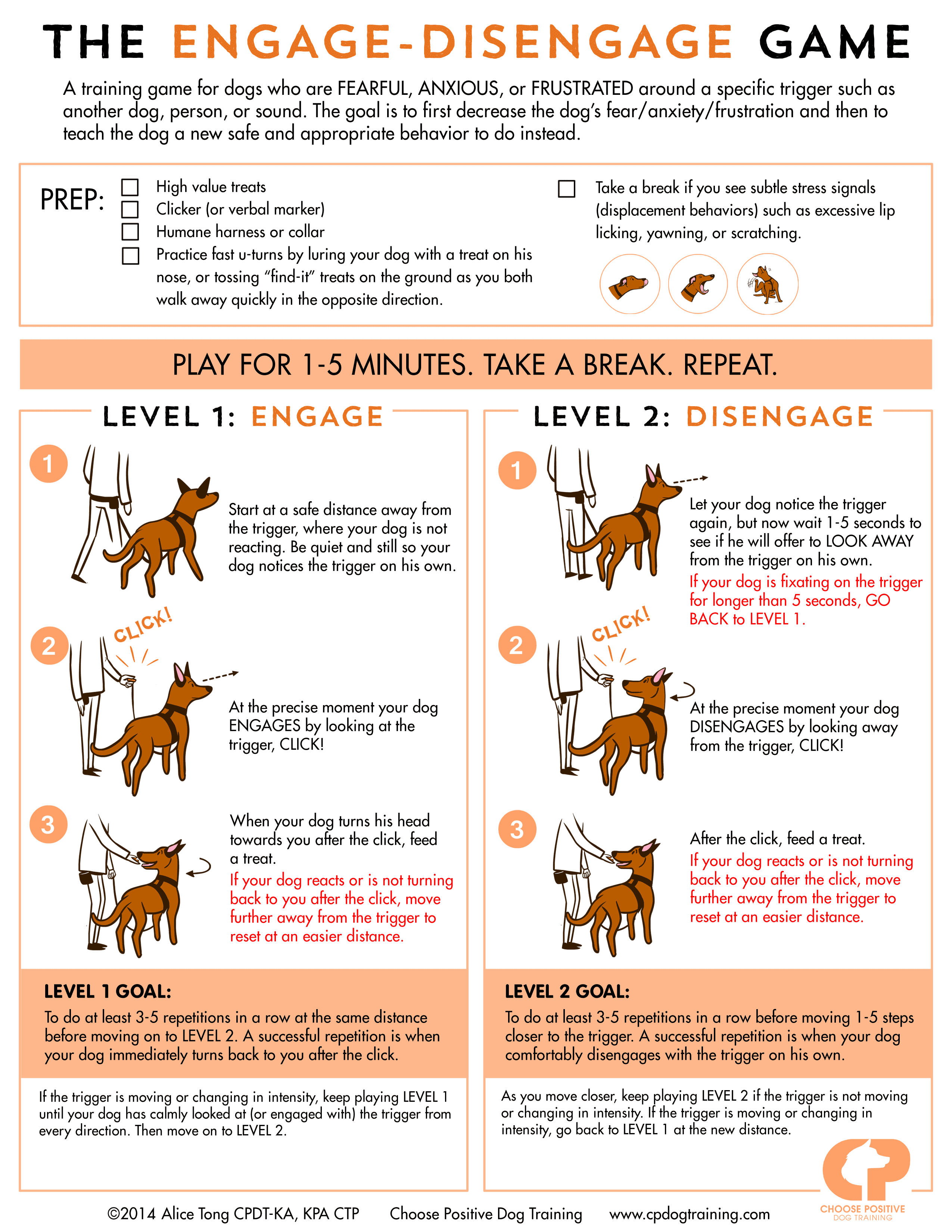
Encountering a dog that exhibits aggression towards cats can be a deeply concerning situation for any pet owner. It often stems from a dog’s natural prey drive, a lack of socialization, or past negative experiences. While achieving a harmonious relationship between a dog and a cat might not always be realistic, establishing a state of calm coexistence is often an achievable goal. This guide outlines a practical method for desensitizing a cat-aggressive dog, focusing on patience, positive reinforcement, and creating a predictable, safe environment for both pets.
Understanding the Challenge of Cat Aggression in Dogs
Dogs that display aggression towards cats are often driven by their instinctual prey drive. This means they perceive cats as potential prey, triggering chasing, barking, or lunging behaviors. Other factors can include fear-based aggression, territoriality, or excitement that escalates quickly. It’s crucial to understand that this behavior is not necessarily malicious but an ingrained response that needs careful management and redirection. The goal of desensitization is to change the dog’s emotional response from one of high arousal and predatory instinct to one of neutrality or even positive association when a cat is present.
Preparation: Gathering Your Essentials
Before embarking on this training journey, ensure you have the necessary tools and a suitable environment. Success hinges on meticulous preparation and the right equipment:
- The Dog: Your cat-aggressive dog. For this specific method, it’s recommended to work with a dog that has some basic leash manners.
- The Cat: A calm, well-adjusted cat is ideal. The cat should be comfortable and not overly anxious.
- High-Value Treats: Small, delicious treats that your dog absolutely loves. These are essential for positive reinforcement.
- A Head Collar (e.g., Gentle Leader): This tool provides excellent control by redirecting the dog’s head movement, helping to manage lunging and focusing the dog’s attention back to you.
- A Strong, Leather Leash: Ensure it’s durable and provides a secure connection to the head collar.
- A Calm Environment: Choose a quiet room in your house with minimal distractions. This could be your living room.
- Patience: This is perhaps the most critical element. Desensitization takes time, consistency, and a calm demeanor from the owner.
The Desensitization Process: A Step-by-Step Approach
This method focuses on gradually exposing the dog to the cat’s presence at a distance where the dog can remain calm, rewarding the dog for looking back at you instead of fixating on the cat.
Setting the Stage:
- Place your cat in a designated area of the room, ideally a corner, where they feel secure. You can provide them with a bowl of wet food or a favorite toy to keep them occupied and create a positive association with the training session. This also helps the cat remain stationary.
- Ensure the dog is on a leash attached to the head collar.
Introducing Distance and Direction:
- Bring your dog into the room on leash. Your primary goal is to remain calm and relaxed, as dogs are highly attuned to their owner’s emotional state.
- Begin walking your dog down a hallway or across the room towards the cat’s general direction, but at a significant distance. The moment you notice your dog starting to fixate intensely on the cat, or showing signs of agitation (stiffening, staring, vocalizing), calmly turn and walk backward away from the cat.
The “Turn and Reward” Technique:
- As you walk backward with the dog on a head collar, their head will naturally turn towards you. This is your cue. As soon as they are looking at you, immediately reward them with a high-value treat.
- Crucially, do not issue commands like “look” or “watch me” at this stage. You are not teaching obedience; you are building a new association and pattern. Avoid any reprimands or leash corrections, as these can increase anxiety and create negative associations.
Gradual Progression:
- Repeat this process consistently, a couple of times a day. With daily practice, your dog will begin to understand the pattern: intense focus on the cat results in the “game” going the other way, away from the cat. The desired outcome is for your dog to start looking at you before their leash becomes tight, anticipating the reward.
- Only when your dog is consistently not reacting intensely should you gradually decrease the distance. This means the dog can see the cat without becoming overly aroused or stressed.
- Keep initial sessions very short, perhaps only a few minutes, as this type of training can be mentally taxing for dogs.
Recognizing Progress:
- True progress is measured when your dog voluntarily looks at you for a reward when the cat is present, rather than fixating on the cat. This “unsolicited look” signifies that your dog is learning to check in with you and is looking for a positive interaction with you as a priority.
Important Considerations and Safety First
- Specific Cat Only: This method is designed to help your dog tolerate a specific cat within a controlled environment. It does not guarantee that your dog will be safe around unfamiliar cats encountered outdoors, which often involves a much higher prey drive triggered by movement.
- Never Force Interaction: Do not force your dog to interact directly with the cat. The goal is calm coexistence at a safe distance.
- Cat’s Welfare: Always prioritize the cat’s comfort and safety. Ensure they have escape routes and a secure space.
- Professional Help: If your dog’s aggression is severe, involves lunging, growling, or snapping, or if you are not seeing progress, it is highly recommended to consult a certified professional dog trainer or a veterinary behaviorist. They can provide tailored advice and ensure safety protocols are in place.
Conclusion: Patience and Consistency Yield Results
Desensitizing a cat-aggressive dog is a marathon, not a sprint. It requires unwavering patience, consistent daily practice, and a commitment to positive reinforcement. By gradually changing your dog’s emotional response and teaching them to look to you for guidance and reward, you can help them achieve a calmer state around the cat. While this method may not foster a deep friendship between your pets, it can pave the way for a peaceful household where both can coexist safely.
If you’re facing similar challenges, consider consulting with a professional trainer specializing in behavior modification.
