
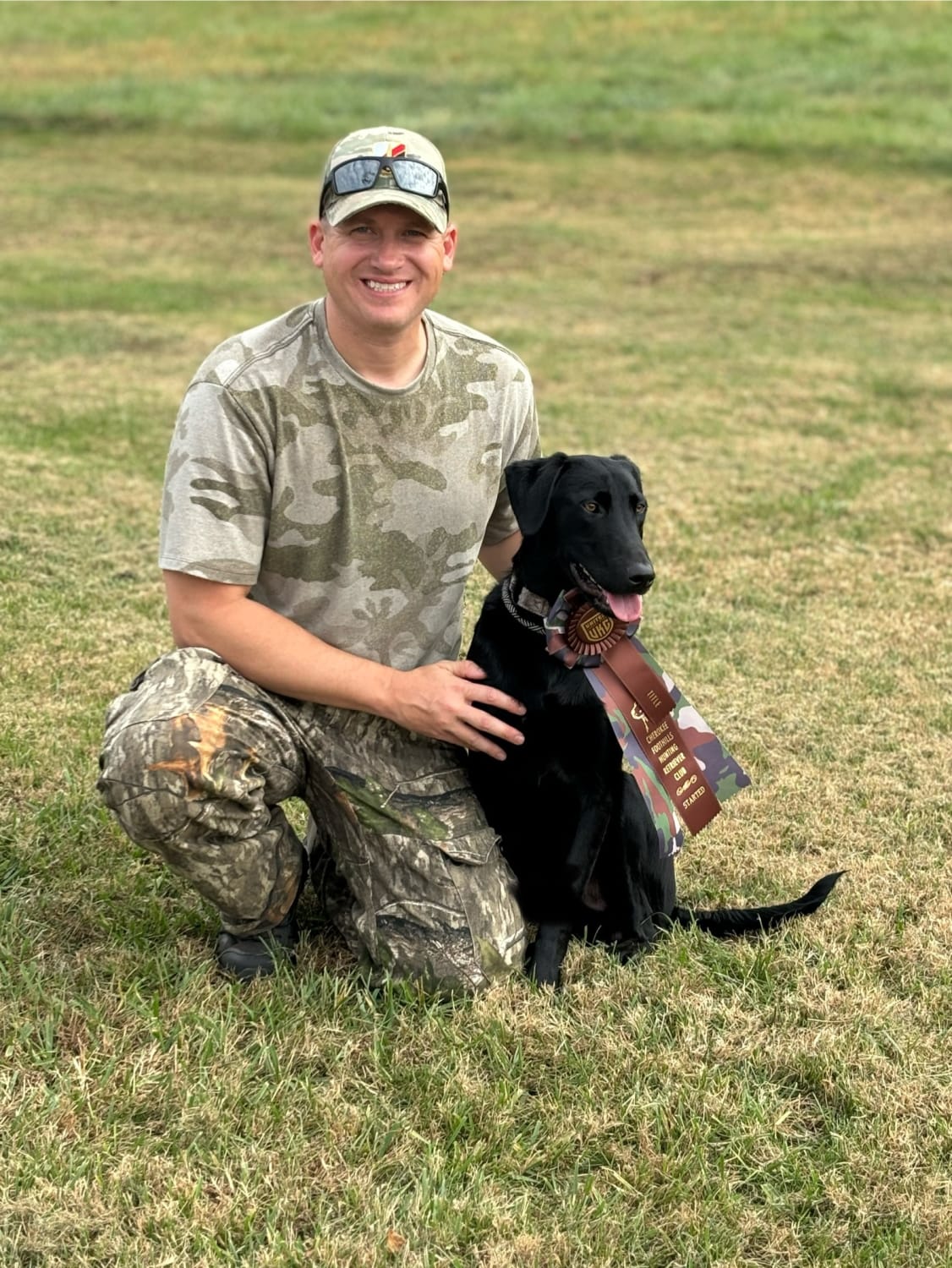
Training a hunting dog is a journey that requires patience, dedication, and the right tools. Among the arsenal of training aids, pheasant wings stand out as an invaluable asset, especially when honing a dog’s scenting and retrieving instincts. Their natural scent and texture provide a realistic simulation of actual game, making them a cornerstone for effective training. This guide delves into the world of pheasant wings for dog training, exploring their benefits, how to use them effectively, and where to find them to boost your canine companion’s hunting prowess.
The Irresistible Allure of Pheasant Wings in Dog Training
The effectiveness of pheasant wings in dog training stems from their inherent qualities that mimic real game birds. The distinct scent of a pheasant is a powerful lure for dogs, triggering their natural predatory and retrieving drives. This primal instinct is exactly what trainers aim to channel and refine.
Why Choose Pheasant Wings?
- Authentic Scent: Pheasant wings carry the natural scent of the bird, which is crucial for developing a dog’s nose and teaching them to identify and track game. This scent is far more compelling to a dog than any artificial lure.
- Realistic Texture: The feel of feathers and the weight of the wings in a dog’s mouth provide a tactile experience that closely resembles retrieving an actual bird. This helps build confidence and prevents “hard mouth” issues.
- Versatility: Whether you’re working on basic retrieving, steadiness, or advanced scent discrimination, pheasant wings can be incorporated into various training exercises.
- Natural Drive Stimulation: The mere presence and scent of pheasant wings can ignite a dog’s natural desire to hunt and retrieve, making training sessions more engaging and productive.
Getting Started: Essential Training Techniques with Pheasant Wings
Incorporating pheasant wings into your training regimen can be approached in several ways, progressively building your dog’s skills. The key is to start simple and gradually increase the difficulty.
Basic Retrieving Exercises
For puppies or dogs new to retrieving, begin with short-distance throws in a controlled environment.
- Introduction: Let your dog sniff and investigate the pheasant wing. Make it a positive experience, perhaps by associating it with treats or praise.
- Short Tosses: Gently toss the wing a short distance (a few feet) and encourage your dog to fetch it. Use a clear command like “fetch” or “get it.”
- Positive Reinforcement: When your dog brings the wing back, praise them enthusiastically and offer a reward. This positive reinforcement is vital for building a strong retrieve drive.
- Increase Distance: As your dog becomes more confident, gradually increase the distance of the throws.
Developing Steadiness
Steadiness is a critical trait for hunting dogs, ensuring they wait patiently for the command to retrieve. Pheasant wings are excellent for teaching this.
- The “Wait” Command: Start by holding the wing yourself and having your dog sit. Use the “stay” or “wait” command. Release the wing only after a few seconds of compliance.
- Controlled Drops: Toss the wing a short distance and immediately give the “wait” command. Only allow your dog to retrieve after they have held the “wait” for a few moments.
- Adding Distractions: Once your dog understands the basic “wait,” you can introduce mild distractions while they are holding the command, gradually increasing the level of distraction.
Scent Discrimination Training
This advanced technique teaches your dog to differentiate between scents and focus on the target scent.
- Scent Introduction: Ensure your dog is familiar with the scent of the pheasant wing.
- The Line-Up: Place several identical pheasant wings in a line, or use other objects with neutral scents alongside a pheasant wing.
- The Command: Instruct your dog to retrieve a specific wing (e.g., the one you pointed to, or the pheasant wing if others are non-game scents). This requires a clear command and potentially hand signals.
- Gradual Difficulty: Begin with fewer items and easily distinguishable scents. As your dog succeeds, increase the number of items and introduce more subtle scent differences.
Best Practices for Using Pheasant Wings
To maximize the benefits of pheasant wings in your training, keep these best practices in mind:
- Freshness is Key: Use fresh or properly preserved pheasant wings. Old or improperly stored wings can lose their scent or develop an off-putting odor.
- Storage: Store unused wings in a sealed plastic bag in a cool, dark place, or freeze them to preserve their scent for longer periods.
- Introduce Gradually: Don’t overwhelm a young or inexperienced dog with too much scent or too many complex commands at once.
- Cleanliness: While the scent is important, avoid saturating the wings with artificial scents or chemicals that might confuse your dog.
- Safety First: Ensure the wings are free from any sharp quills or objects that could harm your dog.
- Vary Your Training: While pheasant wings are fantastic, remember to incorporate other training methods and aids to ensure a well-rounded dog. For more advanced scenarios, consider specialized equipment like a training dummy for dogs which can simulate different types of game.
Where to Source Pheasant Wings for Training
Finding quality pheasant wings is essential for successful training. Here are a few common sources:
- Local Game Farms or Hunts: If you have local hunting communities or game farms, they are often a great source for naturally shed wings or wings from harvested birds. Always inquire about their availability and policies.
- Online Retailers: Numerous online stores specialize in hunting dog training supplies. You can often find pre-packaged pheasant wings, sometimes even preserved or specially treated for training purposes. Websites dedicated to dog training toys hunting often carry these.
- Taxidermists: Some taxidermists may have leftover pheasant wings from their projects that they are willing to sell or give away.
When purchasing, look for wings that are intact, have a strong natural scent, and are from a reputable source.
Enhancing Training with Related Tools
While pheasant wings are excellent on their own, they can be even more effective when combined with other training tools and aids. Understanding how to integrate these can lead to a more versatile and capable hunting dog.
- Scent Training Kits: For more advanced scent work, consider a comprehensive waterfowl dog training kit. These kits often include various game bird scents, including pheasant, along with applicators and dummies, allowing for a wider range of scent discrimination exercises.
- Dummy Launchers: These devices can be used to launch dummies or wings a significant distance, simulating a fleeing bird and challenging your dog’s retrieving drive and marking ability.
- Electronic Collars (Used Responsibly): In advanced stages, and when used by experienced trainers according to ethical guidelines, electronic collars can assist in reinforcing commands like “heel,” “stay,” or “whoa,” especially in challenging environments. However, their use should always be secondary to positive reinforcement.
Frequently Asked Questions About Pheasant Wings for Dog Training
Q1: How do I store pheasant wings to maintain their scent?
A1: Store fresh or dried pheasant wings in an airtight plastic bag. For long-term storage, freezing them is the best option to preserve their scent. Ensure they are completely dry before freezing to prevent ice crystals.
Q2: Can I use pheasant wings for training puppies?
A2: Yes, pheasant wings are excellent for introducing puppies to retrieving and scent work. Start with short, positive introductions and simple fetch games. Always supervise puppies closely during training sessions.
Q3: How often should I use pheasant wings in training?
A3: Consistency is key. Aim for regular, short training sessions rather than infrequent long ones. Integrating pheasant wings into your routine several times a week, depending on your dog’s progress and your training goals, can be very effective.
Q4: What if my dog is too rough with the pheasant wings?
A4: This is a common issue known as “hard mouth.” To address it, practice the “drop it” command frequently and reward gentle retrieves. Slow down the retrieving process, rewarding calm behavior and gentle carrying. You might also practice holding the wing yourself and having the dog gently take it from you.
Q5: Are there any safety concerns when using pheasant wings?
A5: Ensure the wings are clean and free from any sharp quills or debris that could harm your dog’s mouth or throat. If you source wings from harvested birds, ensure they are handled hygienically.
The Lifelong Bond: Beyond the Hunt
Training your dog with tools like pheasant wings is more than just preparing them for the field; it’s about building a profound connection. These training sessions foster communication, trust, and a shared understanding between you and your canine partner. The journey of training, with its challenges and triumphs, strengthens the human-animal bond, creating a partnership that extends far beyond the practical applications of hunting. Whether your dog is a seasoned hunter or a beloved companion, the principles learned through scent work and retrieving with aids like pheasant wings contribute to a well-behaved, responsive, and deeply connected dog.
For those looking to further enhance their dog’s capabilities in specialized areas, resources on training the versatile hunting dog can provide a deeper understanding of advanced techniques and specific breed requirements. The dedication you invest in training today will undoubtedly pay dividends in the field and in the heartwarming companionship you share tomorrow.
