
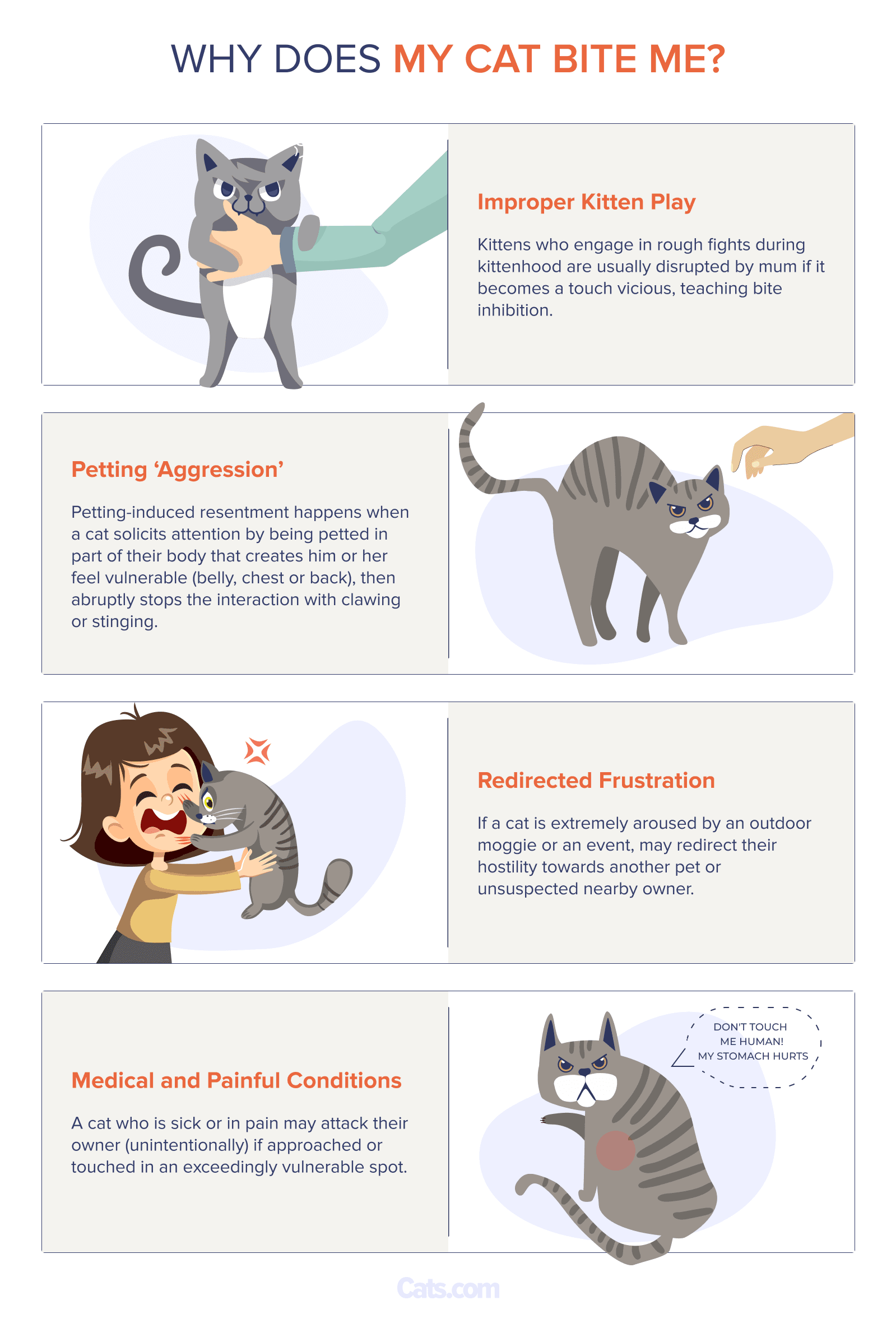
Experiencing your cat biting and running away after petting can be a common yet unsettling behavior for many cat owners. This phenomenon, known as petting-induced or overstimulation aggression, is a prevalent issue that can be managed with understanding and the right approach. Learning to recognize and respond to your cat’s cues is key to building a more harmonious relationship.
What Causes Petting-Induced Aggression?
Several factors can contribute to this type of aggression in cats. A cat’s past experiences, including whether their comfort levels with touch were previously disregarded, can play a significant role. Poor socialization during kittenhood, or a lack of gentle handling, might lead to sensitivities later in life. Additionally, kittens who did not learn bite inhibition from littermates or their mother may exhibit heightened handling sensitivities. Understanding these underlying causes can provide insight into your cat’s reactions.
Sensitivity Threshold
Cats, much like humans, have a limit to how much physical contact they can tolerate. Initially, petting might feel pleasant, but as it continues, the repetitive nature can become irritating. When a cat reaches this point, biting serves as a clear signal that they’ve had enough. It’s their way of communicating their discomfort and asserting control over the interaction.
Underlying Pain or Medical Conditions
Physical discomfort can significantly influence a cat’s behavior. If a cat is experiencing pain, whether from arthritis, dental issues, or an ear infection, touching them, or even the anticipation of being touched in a sensitive area, can trigger a defensive reaction. It’s crucial to rule out any medical causes for this behavior.
The Need for Control
For some cats, biting during petting is an attempt to regain control over the situation. They are dictating when the interaction begins and, more importantly, when it ends. This behavior often stems from a feeling of being overwhelmed or a lack of agency in their environment.
Managing Petting-Induced Aggression
Successfully managing petting-induced aggression involves a multi-faceted approach, focusing on understanding your cat’s individual needs and potential underlying issues.
Veterinary Examination
The first and most critical step is to schedule a comprehensive examination with your veterinarian. This is to rule out any underlying medical conditions that might be causing your cat pain. Conditions like arthritis, dental problems, or ear infections can make petting uncomfortable or even agonizing. Addressing any health concerns is paramount before focusing solely on behavioral modification.
Understanding Individual Preferences
Every cat is unique, and their preferences for interaction vary greatly. While some cats are natural cuddlers who crave constant attention, others may prefer proximity without direct initiation of touch. Some might enjoy a good chin scratch but dislike full-body petting. Recognizing and respecting your cat’s individual comfort levels is essential for fostering a positive relationship. Pay attention to whether your cat enjoys your closeness, like sitting on your lap, but isn’t keen on you petting them for extended periods.
Recognizing Warning Signs
Many owners report their cat suddenly biting without prior indication. However, with careful observation, subtle warning signs often precede an aggressive reaction. These can include:
- Ear position: Ears may flatten, move backward, or shift from a neutral stance.
- Tail movement: The tail might begin to twitch or swish rapidly.
- Body tension: The cat’s body may stiffen, or they might freeze completely.
- Pupil dilation: Pupils may widen or constrict unusually.
- Vocalization: A low growl might be audible.
- Gaze: The cat’s eyes might intensely follow your hand.
- Subtle movements: A slight turn of the head or body away from your touch.
If you observe any of these signs, it’s best to immediately stop petting and allow your cat to move away. Redirection with a treat or toy can be a safe way to disengage, rather than picking them up, which might escalate the situation.
Timing Your Petting Sessions
Once you become adept at recognizing your cat’s warning signs, you can begin to gauge how long your cat enjoys being petted. If warning signs typically appear after two minutes of petting, aim to keep sessions under that timeframe, always remaining vigilant for those subtle cues.
Adjusting Your Petting Technique
Experiment with different petting styles to see what your cat prefers. Some cats respond well to short, gentle strokes, mimicking how other cats groom each other. Others might prefer scratches on their chin or between their ears rather than full-body stroking. Consider using a single finger to gently pet their face and cheeks, avoiding other areas. Often, cats are content with simply rubbing against you, preferring this form of connection over extensive handling.
Avoid Punishment
Never resort to physical or verbal punishment. For a cat, any form of attention, even negative, can be reinforcing. Instead of punishment, focus on redirection. Engaging your cat in an appropriate activity or allowing them space helps them relax and focus on positive actions, facilitating learning and reinforcing desirable behaviors.
Increase Playtime
Boredom and pent-up energy can sometimes manifest as overstimulation. Ensuring your cat engages in regular, interactive play sessions daily can significantly reduce frustration. Keeping your cat physically and mentally stimulated provides a healthy outlet for their energy, potentially mitigating sensitivity issues related to petting.
By understanding the nuances of feline behavior and applying these management strategies, you can help your cat feel more comfortable and secure, leading to fewer instances of petting-induced aggression and a stronger bond between you and your feline companion.
