
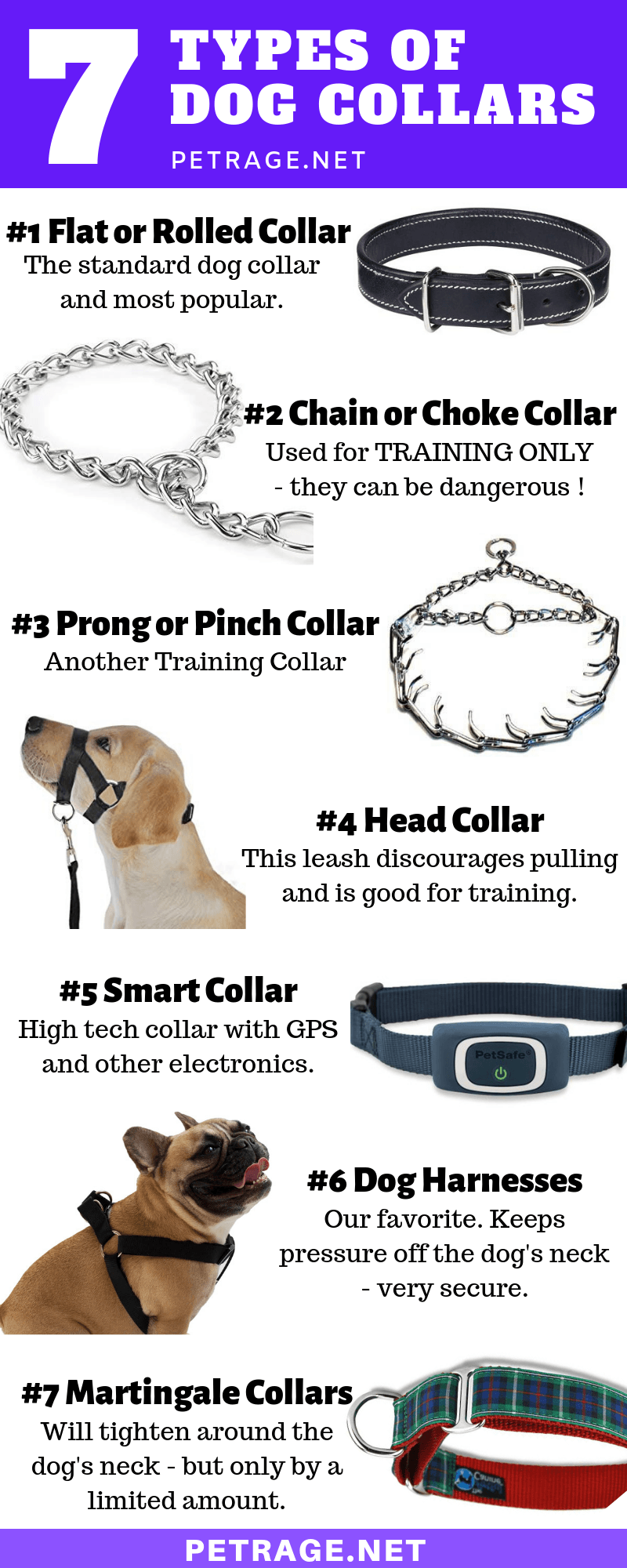
Finding the right training collar for your small dog can feel like a challenge, but it’s essential for effective and humane training. Small breeds often have different needs and sensitivities compared to larger dogs, making specialized collars a great option for addressing specific behavioral issues or enhancing obedience. This guide will walk you through the various types of training collars available, what to look for when choosing one for your little companion, and how to use them safely and effectively. We aim to provide you with the knowledge to make an informed decision that supports your dog’s well-being and training goals, ensuring a happy and well-behaved pet.
Understanding Different Types of Training Collars
When we talk about training collars for small dogs, it’s important to distinguish between different types, as they all serve distinct purposes and employ varying methods. Each type is designed with a specific training philosophy in mind, and understanding these differences is key to selecting the most appropriate one for your furry friend.
Remote Control Training Collars
These collars are operated by a handheld remote, allowing you to send a signal to the collar when your dog exhibits a desired or undesired behavior. The signal can manifest as a vibration, a beep, or a mild static stimulation. They offer a high degree of control and are often used for off-leash training or to correct behaviors like excessive barking or running off. The key is to use them as a communication tool, not a punishment, ensuring the stimulation is at a level that gets your dog’s attention without causing distress. For smaller breeds, it’s crucial to ensure the collar’s components are lightweight and that the stimulation levels are adjustable to a very low setting.
Electronic Bark Collars
Designed specifically to curb excessive barking, these collars detect the sound or vibration of your dog’s bark and trigger a response, usually a vibration or a static stimulation. They are particularly useful for stopping nuisance barking that might disturb neighbors or disrupt your household. Modern bark collars are often designed with safety features to prevent continuous stimulation if the dog barks incessantly, instead delivering intermittent corrections. It’s vital to choose a bark collar with adjustable sensitivity and intensity levels to suit your small dog’s temperament and vocalizations.
Vibration Collars
A gentler alternative to static stimulation collars, vibration collars use tactile sensations to get your dog’s attention. When activated by a remote, the collar emits a vibration. This is often enough to interrupt an unwanted behavior or reinforce a command, especially for sensitive small breeds who might be more reactive to static corrections. They are excellent for dogs that are easily startled or have a lower pain threshold. The focus here is on a clear, consistent signal that your dog learns to associate with your training cues.
GPS Tracking Collars
While not strictly a “training” collar in the sense of correction, GPS tracking collars are invaluable tools for owners of small, adventurous dogs. These collars allow you to monitor your dog’s location in real-time via a smartphone app. This can be a lifesaver if your dog has a tendency to bolt or wander, providing peace of mind and a quick way to locate them if they get lost. Some advanced models also include activity tracking, helping you monitor your dog’s exercise levels.
The “Smallest Dog Training Collar with Remote” Option
For many small dog owners, the primary concern is finding a collar that is not only effective but also comfortable and unobtrusive for their petite pet. This is where the “smallest dog training collar with remote” category becomes particularly relevant. These collars are engineered to be lightweight, with smaller contact points and a more compact receiver unit, ensuring they don’t weigh down or irritate a small dog’s neck. They often feature a wider range of adjustable intensity levels, allowing for fine-tuning the correction to a very low, humane level suitable for sensitive breeds.
Key Factors When Choosing a Training Collar for Small Dogs
Selecting the right training collar involves more than just picking the first one you see. For small dogs, several specific factors need careful consideration to ensure both effectiveness and the dog’s welfare.
Size and Weight
This is paramount for small breeds. A collar that is too bulky or heavy can be uncomfortable, restrict movement, or even cause injury. Look for collars specifically designed for small dogs, often advertised as lightweight or having a compact receiver. The collar should fit snugly but not tightly, with enough space to slip two fingers between the collar and your dog’s neck. This ensures proper contact for the stimulation (if applicable) without choking or irritation.
Adjustability and Intensity Levels
Small dogs, especially those with sensitive temperaments, require collars with a wide range of adjustable intensity levels. You need to be able to start at the lowest possible setting and gradually increase it only as needed. A collar that offers a broad spectrum, from gentle vibrations to low-level static correction, provides the flexibility to find what works best for your individual dog. Avoid collars with only a few, high-intensity settings, as these are not suitable for small or sensitive breeds.
Range and Durability
Consider the range of the remote control if you’re opting for an electronic collar. For basic obedience training in a secure area, a shorter range might suffice. However, if you plan on off-leash training in more open spaces, a longer range is essential. Durability is also important. Small dogs can be active, and their gear needs to withstand regular wear and tear. Look for collars made from robust materials that are also waterproof or water-resistant, especially if your dog enjoys the outdoors in various weather conditions.
Safety Features
Prioritize collars with built-in safety mechanisms. These can include:
- Automatic shut-off: Prevents continuous stimulation if the dog barks or the remote is accidentally triggered repeatedly.
- Low-battery indicators: Alert you when the battery is running low, so you’re not caught without a functional collar.
- Waterproof/Water-resistant design: Protects the electronics from moisture damage.
Ease of Use
A training collar should be simple to operate. If you’re constantly fumbling with buttons or struggling to pair the remote, it can disrupt the training flow. Look for intuitive designs with clear instructions. For remote collars, a simple button layout that allows for quick selection of stimulation type and intensity is ideal.
Effective Training Collar Usage for Small Dogs
Even with the best training collar, proper usage is critical. Misuse can lead to anxiety, fear, or ineffective training. Here’s how to use them responsibly:
Start Slow and Low
Always begin with the lowest possible setting for any stimulation type (vibration or static). Observe your dog’s reaction. The goal is to gain their attention, not to cause pain or fear. Many trainers recommend starting with vibration-only modes if available, as this can be sufficient for many small dogs.
Use as a Communication Tool, Not Punishment
A training collar should supplement your verbal commands and positive reinforcement. It’s a way to communicate clearly when your dog is making a mistake or needs a reminder. It should never be used out of anger or frustration. The dog should associate the correction with the behavior, not with you.
Consistency is Key
Use the collar consistently during training sessions. If you only use it sporadically, your dog will become confused. Ensure all family members who interact with the dog understand how and when to use the collar correctly.
Integrate with Positive Reinforcement
Training collars are most effective when used in conjunction with positive reinforcement methods. Reward your dog with praise, treats, or toys when they respond correctly to a command or when they stop an unwanted behavior. This helps them understand what you want them to do, rather than just what they shouldn’t do.
Know When to Stop
If your dog shows signs of excessive stress, fear, or anxiety (e.g., excessive panting, hiding, avoidance), stop using the collar immediately. Consult with a professional dog trainer or a veterinarian to reassess your training approach. Sometimes, a different type of collar or training method might be more suitable.
Proper Fit and Maintenance
Ensure the collar is always fitted correctly. A loose collar won’t deliver the signal effectively, while a too-tight collar can cause discomfort or chafing. Regularly check the contact points for cleanliness and ensure the collar is functioning properly.
Addressing Common Training Challenges with Small Dogs
Small dogs can present unique training challenges, and the right collar can be a valuable aid in overcoming them.
Excessive Barking
Small breeds are often prone to barking, whether out of excitement, boredom, or a tendency to alert. A well-fitted electronic bark collar can help manage this by providing a consistent deterrent. However, it’s crucial to address the root cause of the barking. If your dog barks out of anxiety, you’ll need to work on desensitization and counter-conditioning techniques alongside using the collar.
Leash Reactivity
Some small dogs can become reactive on leash, barking or lunging at other dogs, people, or vehicles. A remote training collar can help interrupt this behavior in the moment, allowing you to redirect your dog’s attention. The goal is to teach them to remain calm and focused on you, even when faced with triggers. This often involves controlled introductions to stimuli at a distance where the dog is not yet reactive.
Recall Training
Teaching a reliable recall is vital for any dog, but especially for small dogs who can easily get into trouble if they run off. A remote training collar can be instrumental in reinforcing the recall command, particularly in distracting environments. You can use a mild stimulation to get their attention if they are ignoring your call, followed by significant praise and rewards when they return to you.
Toileting Issues
While not a direct training method for house-training, a remote collar can be used to interrupt inappropriate toileting indoors or to reinforce cues associated with going outside. For instance, if you catch your puppy starting to eliminate indoors, a gentle beep or vibration can interrupt them, allowing you to quickly take them outside to their designated spot and reward them for finishing there.
Alternatives and Complementary Training Tools
While training collars can be effective, they are not the only solution, nor should they be the sole method used.
Harnesses
For many small dogs, especially those with delicate throats or respiratory issues (like tracheal collapse), a harness is a safer and more comfortable alternative to a collar for walks. Many harnesses offer good control without putting pressure on the neck. Some harnesses also incorporate attachment points for leashes that can aid in steering and control.
Positive Reinforcement Methods
Clicker training, treat-based rewards, and praise are foundational for all dog training. They build a strong bond between you and your dog and teach them what you want them to do in a positive and motivating way. Training collars should augment these methods, not replace them.
Mental Stimulation and Exercise
Boredom and pent-up energy are common causes of behavioral problems in dogs, regardless of size. Ensuring your small dog gets adequate mental stimulation (puzzle toys, training games) and physical exercise (walks, play sessions) is crucial for a well-behaved companion.
Professional Guidance
If you are struggling with specific behavioral issues or are unsure about using a training collar, consulting a certified professional dog trainer is highly recommended. They can assess your dog’s temperament and behavior, guide you on the most appropriate training tools, and help you implement them safely and effectively.
Conclusion: Empowering Your Small Dog’s Training Journey
Choosing and using a Pet Training Collar For Small Dogs requires careful consideration, patience, and a commitment to humane practices. By understanding the different types of collars, prioritizing size, adjustability, and safety, and employing them consistently with positive reinforcement, you can significantly enhance your training efforts. Remember that the ultimate goal is a happy, well-behaved companion, and the right tools, used wisely, can be a vital part of that journey. Whether you’re tackling nuisance barking, improving recall, or refining obedience, a well-chosen and correctly used training collar can be an invaluable asset in shaping your small dog’s behavior and strengthening your bond.
